




From Forest Floor to Fine Dining
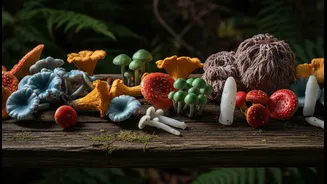
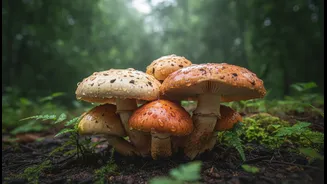
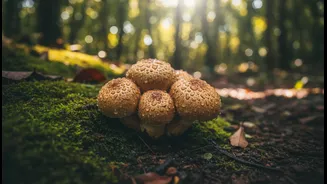
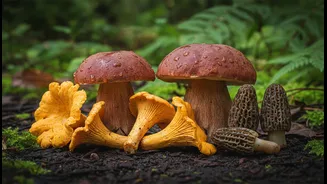
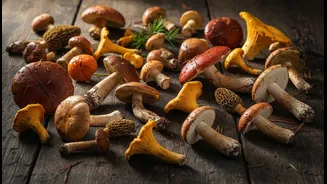
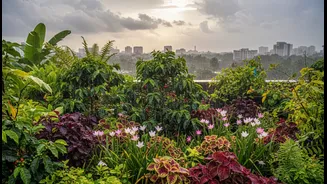
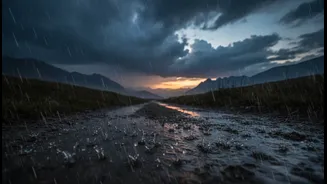
The Indian monsoon doesn't just bring rain; it brings a culinary revival rooted in ancient traditions. Across the country, the damp, rich soil of forests and grasslands becomes the stage for a spectacular, if brief, emergence of wild, edible mushrooms.
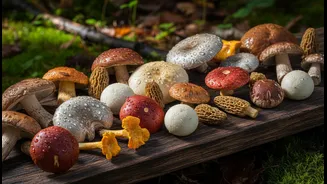
For generations, indigenous communities have possessed the knowledge to identify these seasonal bounties, foraging them for their own kitchens. Today, this practice has captured the imagination of India's top chefs, who are building relationships with local foragers to bring these rare ingredients from the forest floor to urban fine dining tables. This trend isn't just about flavour; it's a rediscovery of hyperlocal produce and a celebration of ingredients that cannot be cultivated, only found.
The Stars of the Season
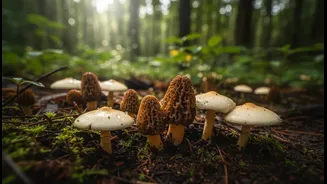
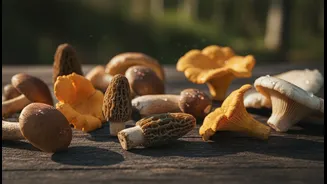
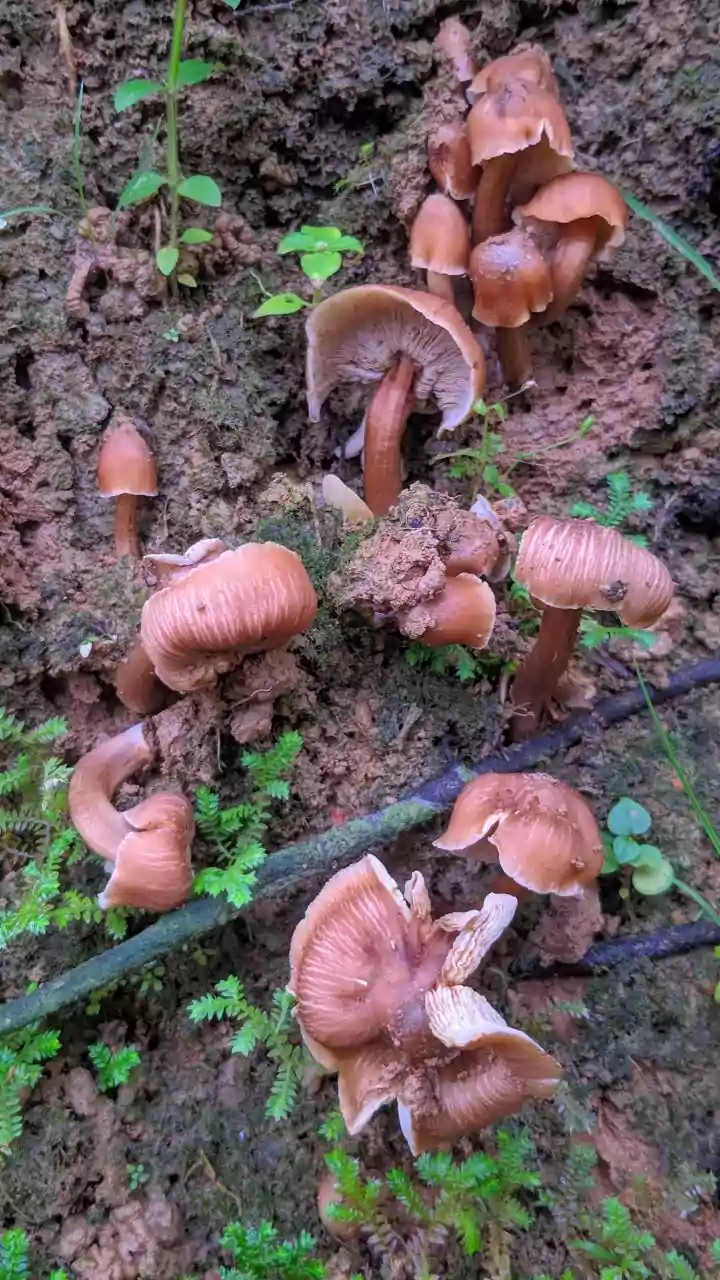
Among the most celebrated monsoon fungi are the Termitomyces, or termite mushrooms. Known as 'Olmi' in Goa and parts of Karnataka, or 'Rugda' in Jharkhand, these mushrooms grow exclusively on or near termite hills and are prized for their meaty texture. They appear as if by magic after the first heavy showers, leading to a flurry of activity as foragers gather them for local markets and eager chefs. Another prized, though more elusive, variety is the Gucchi, or morel mushroom. Found in the high-altitude forests of the Himalayas during spring and wet months, these honeycomb-capped fungi are one of the world's most expensive, valued for their deep, savoury flavour. While their peak season is often before the main monsoon, the moisture and weather patterns of the rainy season can influence their availability, making any appearance a celebrated event.
A Chef's Creative Canvas
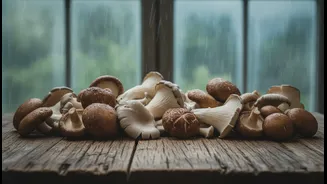
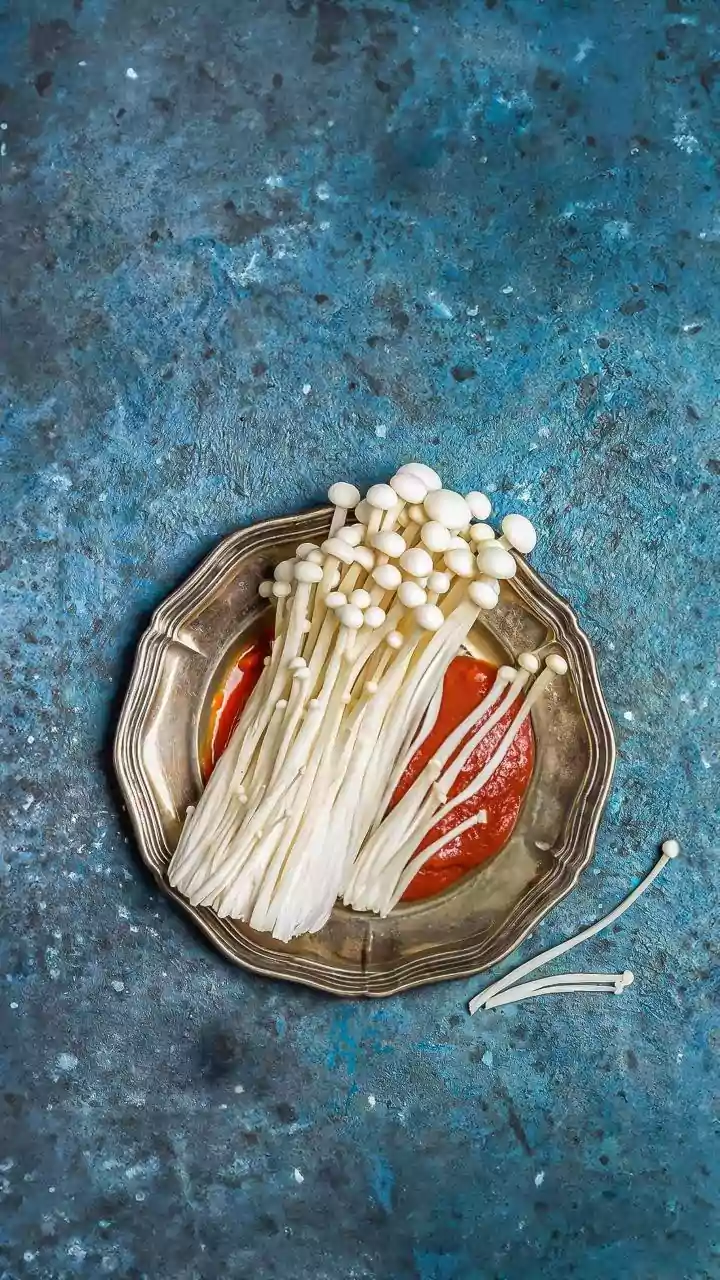
For chefs, these wild mushrooms are more than just ingredients; they are a creative canvas. Their unique textures and intense, earthy notes inspire special, limited-edition menus that capture the essence of the season. In cities like Mumbai, Delhi, and Bengaluru, restaurants are showcasing these fungi in a variety of innovative dishes. You might find meaty Almabi mushrooms cooked in a rich, coconut-based curry in a Goan-inspired eatery or used in a hearty, broth-rich ramen bowl. More delicate varieties might be simply sautéed with garlic and herbs to let their natural flavour shine, while the prized Gucchi often features in luxurious pulaos or creamy, gravies. Chefs are celebrating not just the taste but the story behind these ingredients—their rarity, their connection to the land, and the communities that have stewarded them for centuries.
A Taste of the Wild
The practice of foraging connects diners to a part of India's food heritage that is often overlooked in our modern, commercialised food systems. It highlights a sustainable way of eating that is deeply in tune with natural cycles. The knowledge required to distinguish edible mushrooms from their toxic lookalikes is a skill passed down through generations, making the role of the forager crucial and respected. For diners, it's an opportunity to experience flavours that are truly wild and untamed. These mushrooms cannot be mass-produced, and their availability is entirely dependent on the whims of nature. This scarcity makes the experience of eating them all the more special—a true taste of the Indian monsoon.