






From Passive Viewing to Active Doing
The modern festival-goer in India seeks more than just entertainment; they crave an experience. Organisers have responded by transforming events from passive spectacles into interactive playgrounds. It’s no longer enough to just listen to music. Attendees
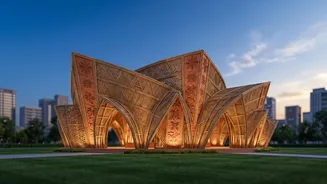
now expect to participate, learn, and discover. This shift is driven by a desire for more memorable and meaningful engagement. Festivals like NH7 Weekender, once purely about the music, have expanded to include comedy acts, pop-up flea markets, and interactive art installations. This evolution caters to a generation that values experiences over possessions, seeking to create stories and connect with a community of like-minded people. The result is a vibrant atmosphere where the lines between performer and audience begin to blur, and every corner holds a new possibility for engagement.
A Stage for Culinary Heritage
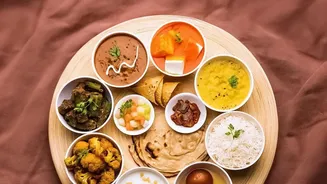
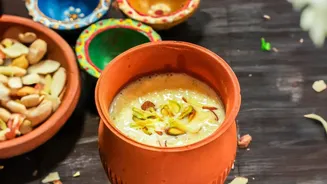
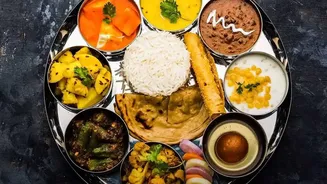
Food has always been central to any Indian celebration, but its role in cultural events is becoming more curated and celebrated. Instead of generic food courts, festivals are now showcasing regional and artisanal cuisine as a headline attraction. This isn't just about feeding the crowd; it's about offering a taste of place and tradition. Events like The Grub Fest and the National Street Food Festival in Delhi put culinary arts at the very centre of their programming. Even music-focused festivals now feature dedicated zones with gourmet food stalls, local delicacies, and culinary workshops. This provides a platform for local chefs and food entrepreneurs while allowing attendees to go on a gastronomic journey, exploring the diverse flavours of India in a festive, communal setting. The experience becomes a feast for the palate as well as the ears.
Celebrating Roots and Artisans
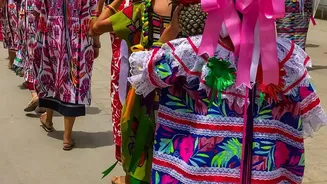
Perhaps the most significant evolution is the deep integration of local heritage and craftsmanship. Festivals are becoming powerful platforms for preserving and promoting India's traditional arts. A prime example is the Ziro Festival of Music in Arunachal Pradesh. Beyond its eclectic musical lineup, the festival is deeply entwined with the culture of the local Apatani community. Attendees can participate in workshops on traditional pottery, paddy flute making, and learn about indigenous traditions directly from community members. This creates a sustainable ecosystem where tourism directly supports local artisans and cultural practitioners. Similarly, the Mahindra Sanatkada Lucknow Festival is designed to celebrate the living heritage of Awadh, bringing together crafts, cuisine, and history in a single event. This focus on authenticity provides a richer experience for visitors and helps keep ancient traditions alive and relevant.
Music in a Historic Setting
The venue itself is now a crucial part of the experience. Many organisers are choosing locations steeped in history, transforming forts and palaces into breathtaking backdrops for performances. The Jodhpur RIFF (Rajasthan International Folk Festival) is held within the magnificent Mehrangarh Fort, a 15th-century marvel. The festival is not just located in a heritage site; it is designed around it. Events include sunrise concerts overlooking the Blue City, intimate jam sessions in historic courtyards, and walking tours that explore the city's past. This fusion of music and history creates a truly immersive atmosphere, where the stories of the past echo in the sounds of the present. Endorsed by UNESCO as a "Peoples' Platform for Creativity and Sustainable Development," Jodhpur RIFF exemplifies how cultural events can honour and revitalise heritage.