







The Brain-Gut Lag Time
The core of the issue lies in a simple biological delay. It takes approximately 20 minutes for your stomach to send signals to your brain that it is full. [2, 7, 16, 17] This communication happens via hormones, primarily leptin (the satiety hormone) and
ghrelin (the hunger hormone). [10, 13, 18, 20] When you eat quickly, you can easily consume far more calories than your body needs before your brain receives the 'stop eating' memo. [2, 15] This often leads to that all-too-familiar feeling of being uncomfortably stuffed a half-hour after you've finished, as the fullness signals finally catch up.
More Than Just Portion Sizes
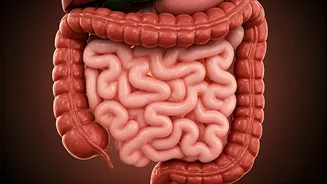
The consequences of speed-eating extend beyond simply eating too much. When you eat fast, you tend to chew less thoroughly. Digestion actually begins in the mouth, where saliva starts breaking down food. [4, 17] Insufficient chewing forces your stomach to work harder, which can lead to indigestion, bloating, gas, and even acid reflux. [2, 4, 5] Swallowing larger-than-necessary bites of food also increases the amount of air you swallow, contributing to uncomfortable bloating. [2, 5] Over time, studies have linked rapid eating to a higher risk of weight gain, metabolic syndrome, and type 2 diabetes. [2, 5, 15]
Why Are We in Such a Hurry?
Recognizing why you eat fast is the first step toward changing the habit. For many, it's a product of a hectic lifestyle, with meals squeezed between meetings or errands. [17] Distracted eating is another major culprit; scrolling on your phone, watching TV, or working while eating prevents you from paying attention to your body's cues. [1, 3, 5] For others, it might be a lifelong habit learned in childhood. [5] Whatever the reason, these patterns prevent us from being mindful and listening to our natural hunger and fullness signals. [19]
Actionable Tips to Slow Your Roll
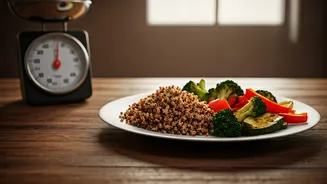
Slowing down your eating doesn't require a complete lifestyle overhaul. It's about building small, intentional habits. Try putting your fork or spoon down between each bite; this simple pause can dramatically slow your pace. [3, 8] Take smaller bites and make a conscious effort to chew your food more thoroughly—aim for a specific number of chews if it helps. [3, 8] Sipping water during your meal can also help you pace yourself. [6] Perhaps most importantly, create a distraction-free eating environment. [1, 8] Sit at a table, put away your phone, and focus on the flavors, textures, and aromas of your food. [1, 6] This practice, often called mindful eating, not only helps with portion control but also increases your enjoyment of the meal.
The Mindful Eating Advantage
Ultimately, slowing down is a cornerstone of mindful eating. This practice is not about dieting or restriction; it's about awareness. By paying full attention to the act of eating, you re-establish the connection between your mind and body. [1, 19] You learn to distinguish between true physical hunger and emotional or boredom-driven eating. [12] This enhanced awareness allows you to stop eating when you are comfortably full, not painfully stuffed. [1] Studies have shown that people who eat slowly are less likely to be obese and tend to have smaller waist circumferences. [21] Embracing a slower pace at mealtimes can lead to better digestion, improved weight management, and a more satisfying relationship with food.