







The Great Diet Debate Showdown
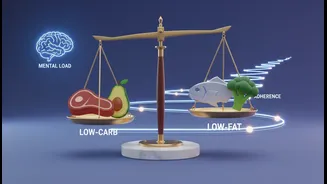
For decades, the world of nutrition has been a battlefield. In one corner, you have the low-carbohydrate champions, advocating for high-fat and high-protein lifestyles. In the other, the low-fat proponents argue for a diet rich in whole grains and lean
proteins. This fundamental disagreement has launched a multi-billion dollar industry and left millions of people wondering which path is the right one for weight loss and health. The endless cycle of new diet trends, each proclaimed as the definitive answer, only adds to the confusion. But as scientists have conducted more long-term, head-to-head comparisons, a surprising and liberating truth has emerged.
What The Research Actually Shows
The science is becoming increasingly clear: when it comes to long-term weight loss, the specific type of diet matters far less than your ability to adhere to it. A landmark study known as DIETFITS, published in the prestigious journal JAMA, directly compared a healthy low-fat diet to a healthy low-carb diet over 12 months. The result? There was no significant difference in weight loss between the two groups. The average weight loss for the low-fat group was 5.3 kg, while the low-carb group lost an average of 6.0 kg — a difference so small it was deemed statistically insignificant. What's more, the researchers found that individual factors like genetics or insulin levels didn't predict success on either diet. This finding isn't an anomaly. Multiple systematic reviews and large-scale analyses of various popular diets, from Atkins to Weight Watchers, have reached similar conclusions. While most diets can produce weight loss in the short term, the differences between them largely disappear by the one-year mark. The single most consistent predictor of who maintains their weight loss is not the diet plan, but their adherence to that plan.
Why Consistency is King
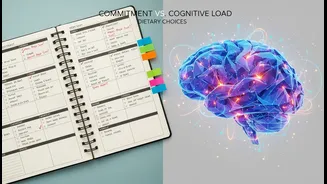
The power of adherence over perfection makes perfect sense when you consider human psychology and physiology. Highly restrictive diets that eliminate entire food groups often feel punitive and are difficult to sustain in real-world social situations. This can lead to a cycle of restriction, craving, and eventual burnout. When you inevitably 'fall off the wagon', the all-or-nothing mindset can cause you to abandon your efforts entirely. Consistency, on the other hand, is about building sustainable habits. It focuses on creating an eating pattern that fits your life, preferences, and culture. This approach reduces the mental stress and anxiety often associated with dieting. Instead of focusing on perfection, which is unattainable, consistency allows for flexibility. It acknowledges that health is built on patterns over weeks and months, not on a single meal or day. By making steady, manageable changes, these new behaviors can become second nature, creating a foundation for lasting success.
Finding Your 'Forever' Diet
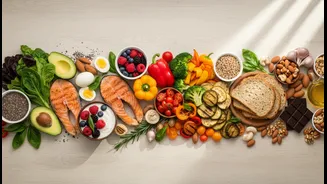
So, how do you find an eating plan you can actually stick with? The key is to shift your focus from 'dieting' to building a healthy lifestyle. Instead of asking 'Is this low-carb?', ask 'Is this food nutritious and satisfying?'. Instead of trying to be perfect, aim to be consistent. Here are some principles to guide you: Focus on Food Quality: As the DIETFITS study highlighted, both successful groups were encouraged to eat whole, unprocessed foods, lots of vegetables, and reduce their intake of added sugars and refined grains. This is a common thread in virtually every healthy eating pattern. Don't Outlaw Foods: Unless you have a specific allergy or medical reason, completely banning a food you love can increase cravings and feelings of deprivation. A more sustainable approach allows for occasional indulgences without guilt. Listen to Your Body: Pay attention to what foods give you energy and make you feel good. A sustainable eating plan should be satiating, not leave you constantly hungry or lethargic. Consider Your Lifestyle: The best eating plan is one that you can follow on a busy Tuesday, a celebratory Saturday, and during a holiday. It has to be practical for your real life, not an idealized version of it.