







Behind the Bottlenecks
The feeling of widespread airport chaos isn't just in your head. Recent data shows a significant portion of flights are delayed. For example, in peak months of 2025, on-time performance at major Indian metro airports fell, with over 14% of domestic flights being
delayed. This isn't a simple problem. It's a mix of surging travel demand that outpaces airport capacity, ongoing shortages of critical staff like air traffic controllers, and the ripple effect of a single late-arriving aircraft, which can cause knock-on delays for the rest of the day. Unpredictable weather and essential but time-consuming maintenance also play their part, creating a system with very little slack to absorb disruptions.
The Mental Weight of Waiting
The stress of travel isn't just about lost time; it’s about the psychological impact of waiting. Research into queue psychology reveals that uncertain, unexplained, and unoccupied waits feel significantly longer than they actually are. The primary source of this anxiety is a loss of control and the uncertainty of not knowing what happens next. This is why a five-minute wait can feel like fifteen, and why a delay without a clear reason or end time is more frustrating than a longer, explained one. This stress is so significant that a recent SITA survey found that 42% of travellers have decided against booking a trip altogether because they expected the journey to be too stressful.
Master Your Pre-Flight Prep
The best way to reduce travel stress is to prepare for the predictable pain points. Start by checking in with yourself and identifying your specific travel triggers. Planning is your best defense. Use airline apps to check in online, monitor your flight status, and get gate information on your phone. Pack smart—consider a carry-on to avoid baggage claim queues and worries about lost luggage. Most importantly, build a generous time buffer into your schedule. Leaving for the airport an hour earlier than you think you need to can be the difference between a frantic sprint and a calm stroll to your gate. Print out or have digital copies of all essential documents, and download entertainment like books, podcasts, or movies to make any potential downtime more enjoyable.
Navigating Airport Congestion
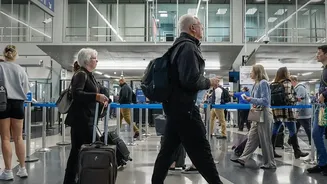
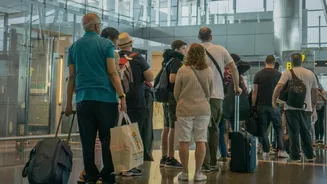
Once at the airport, stay proactive. Use apps or airport websites to check security wait times. If you travel frequently, services like Digi Yatra can significantly shorten your time in security queues. When faced with a choice of lines, look for the one that seems to be moving most efficiently, not just the one that looks shortest. Distraction is a powerful tool against the feeling of a long wait. Having your entertainment ready can turn unoccupied time into occupied time, making the wait feel shorter. If you have access, an airport lounge can be a sanctuary from the terminal's bustle, providing a quiet space to relax and recharge before your flight.
When Delays Are Unavoidable
Even with the best planning, delays happen. When they do, knowing your rights is crucial. In India, the DGCA's Passenger Charter outlines what airlines must provide. For delays of two hours or more, you are entitled to free meals and refreshments. For domestic delays expected to exceed six hours, the airline must offer you an alternate flight or a full refund. If a delay stretches overnight, airlines are generally required to provide hotel accommodation. While monetary compensation for delays isn't standard in India, it is for cancellations without adequate notice or for being denied boarding. Keep a 'delay kit' in your carry-on with a power bank, snacks, a water bottle, and any necessary medication to make the wait more comfortable.