







What is This Travel AI?
The new system is a digital, AI-powered travel guide called NiVU AI. It is being rolled out by the Andhra Pradesh Tourism Authority in partnership with travel-tech company Explurger. The goal is to provide tourists with instant, interactive information
about the state's attractions. Instead of searching for a human guide or reading static signboards, visitors can get details about a site's history, culture, and significance directly on their phones. The initiative is part of a plan to modernise the visitor experience across more than 100 tourist destinations in the state.
How Does It Actually Work?
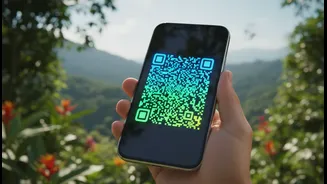
The system is designed for maximum simplicity. At participating locations, you will find a QR code. Simply scan the code with your smartphone, and a conversational AI interface opens in your web browser. There is no need to download a separate app, making it quick and easy to access. Once activated, you can interact with the AI assistant through either voice or text commands, asking questions just as you would with a human guide. The service is also free for all tourists.
What About Voice and Translation?
This is the core feature of the service. The NiVU AI platform can communicate in over 130 Indian and international languages. When you scan the QR code, you can ask questions or listen to information in your preferred language, whether it's Telugu, Hindi, English, French, or Japanese. This removes the language barrier that can often be a challenge for both domestic and international travellers. Tourism Minister Kandula Durgesh noted that he tested the platform in Telugu and found the responses accurate and meaningful. This multilingual capability aims to make tourism in Andhra Pradesh more inclusive and accessible.
What Is 'Local Context' and Why Does It Matter?
Beyond basic facts, the AI is designed to provide rich local context. This means it can explain the cultural or religious significance of a site, share local stories, and offer details that you might not find in a standard guidebook. For example, a successful pilot was run at the Sri Panakala Lakshmi Narasimha Swamy temple in Mangalagiri, where the AI helped devotees understand temple traditions and rituals in their own languages. The AI can also suggest nearby attractions based on your interests, helping you discover hidden gems and make the most of your visit. This context-aware information is what separates it from a generic search engine.
Where and When Can I Use It?
The rollout is happening in phases over three years. The first phase, beginning in 2026, will cover 30 major tourist attractions, including key temples, forts, beaches, and heritage monuments. Following successful pilot programs in Mangalagiri, the plan is to expand to over 100 destinations across the state. Eventually, you can expect to find the 'Ask AI' QR codes at most major tourist and pilgrimage sites throughout Andhra Pradesh, from major temples to natural attractions. The system will also be used during large events like the upcoming Godavari Pushkaralu.
Are There Any Downsides?
While the technology is promising, it is still in its early stages of a statewide rollout. As with any new AI system, there may be initial bugs or inaccuracies, especially with voice recognition of strong dialects or complex questions. The quality of the experience will depend on the data fed into the system for each specific location. Furthermore, while the AI provides information, it cannot replace the spontaneous, personal interactions one might have with a local guide or resident. Travellers should view it as a powerful new tool in their arsenal, not a complete substitute for human experience and connection.