



The Search for a True Digital Detox
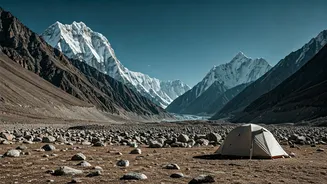
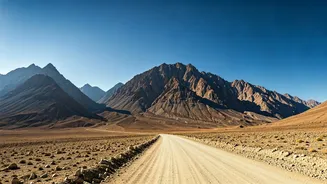
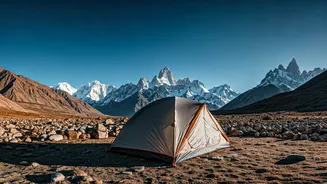
In a world of constant connectivity, the ultimate luxury is silence. Spiti Valley offers this in abundance. Known as the ‘Cold Desert’, its stark, lunar landscapes and vast, empty expanses are a world away from the lush greenery of more conventional mountain
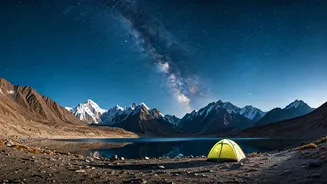
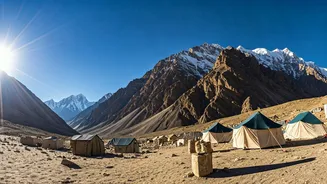
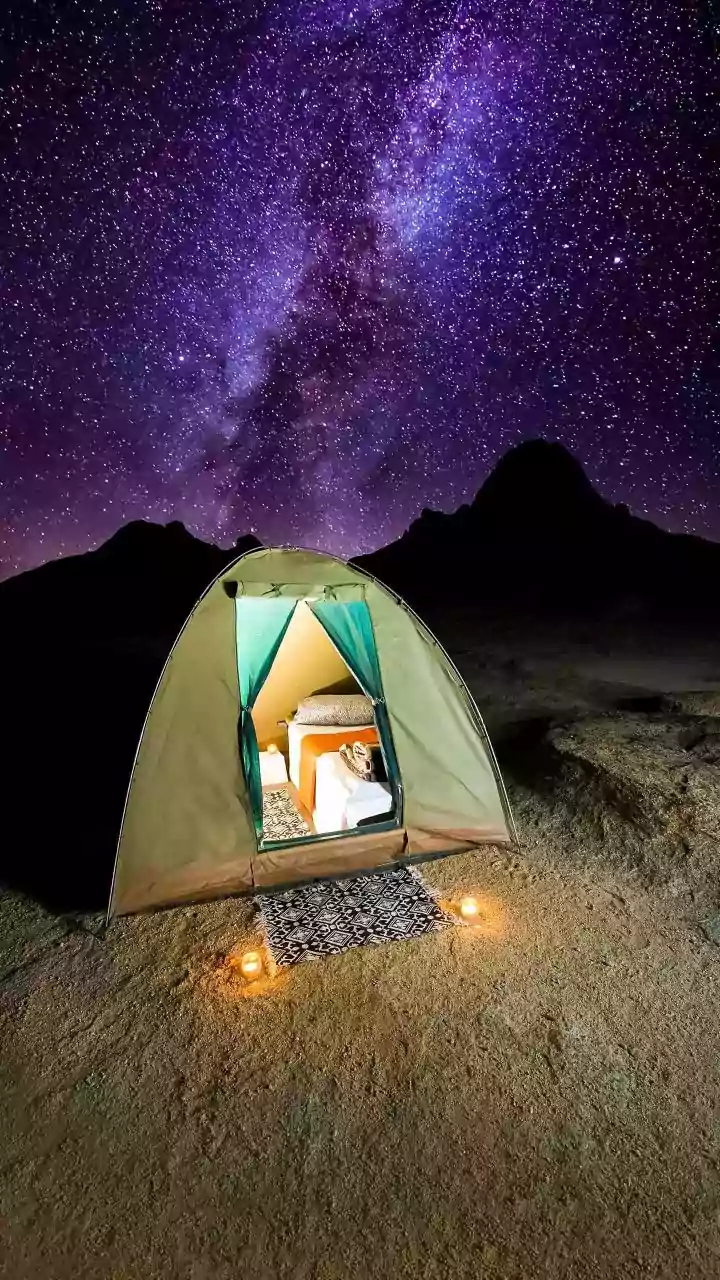
destinations. Here, the Wi-Fi is patchy at best and phone signals are a rare commodity. This forced disconnection is not a bug; it's a feature. For a generation of backpackers weary of screen fatigue, Spiti provides a genuine opportunity to unplug. The focus shifts from checking notifications to watching the shadows lengthen across a barren valley, listening to the wind, and simply being present. The camps, often basic but comfortable, amplify this experience, stripping away distractions and encouraging introspection.
A Hub for Genuine Community
While solitude is a draw, it's the sense of community that turns a trip into a memorable journey. Backpacker hostels and camps in Kaza, Tabo, and other Spitian hubs have become modern-day caravanserais. These are not just places to sleep; they are vibrant social ecosystems. Travellers from across India and the world gather around bonfires, in common rooms, or over a shared meal of thukpa, exchanging stories of treacherous road journeys and breathtaking monastery visits. Unlike the fleeting interactions of a city hotel, the shared challenges of reaching and navigating Spiti—be it altitude sickness or unpredictable weather—forge quick and durable bonds. This communal spirit is a powerful antidote to the isolation many feel in their daily urban lives, making the camps a destination in themselves.
The Rise of 'Work from Mountains'
Paradoxically, while many seek a digital detox, a growing number of digital nomads are making Spiti their temporary office. The slow but steady improvement in internet connectivity in main towns like Kaza has opened the door for long-term stays. Backpackers are no longer limited to a week-long vacation. They can now rent a room or a spot in a camp for a month or more, balancing their work commitments with mountain exploration. This model allows for a deeper, more immersive experience than a whirlwind tour. It provides the freedom to acclimatise properly, explore offbeat trails, and truly integrate into the slow rhythm of Spitian life, all without sacrificing their livelihood. The high-altitude camp becomes a co-working space with the world's most dramatic backdrop.
Accessible Yet Challenging Adventure
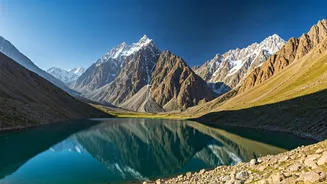
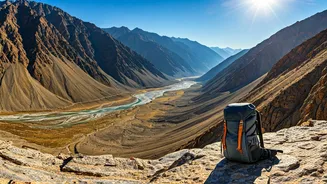
Spiti occupies a sweet spot in the adventure spectrum: it's challenging enough to feel like a significant accomplishment but accessible enough for a determined backpacker without specialised mountaineering skills. The journey itself, often via the treacherous roads from Manali or Shimla, is an adventure. Once there, the valley offers a plethora of accessible treks to high-altitude lakes like Chandratal (the Moon Lake), ancient monasteries perched on cliffs like Key Gompa, and some of the world's highest inhabited villages like Komik and Langza. This blend of road-tripping, trekking, and high-altitude living provides a constant sense of thrill and discovery, satisfying the modern traveller’s hunger for experiences over simple sightseeing.
Deep Cultural and Spiritual Immersion
Spiti is often called 'Little Tibet' for a reason. The region is a bastion of Tibetan Buddhism, with a history stretching back over a thousand years. Ancient monasteries like Tabo, a UNESCO World Heritage site, and Dhankar Gompa are not just tourist attractions; they are living centres of faith. For backpackers, this offers a chance for profound cultural immersion that goes beyond aesthetics. Staying in a camp allows for unhurried visits, conversations with monks, and the opportunity to witness timeless rituals. This spiritual resonance provides a depth to the travel experience that is hard to find in more commercialised tourist circuits. It’s a journey that engages the mind and soul, not just the eyes.