






The Garden City's Gift
Bengaluru's coveted title, the 'Garden City', isn't just about its famous parks like Lalbagh and Cubbon. It's woven into the city's very climate. Situated on a plateau, the city enjoys cooler temperatures and a more temperate climate than other Indian
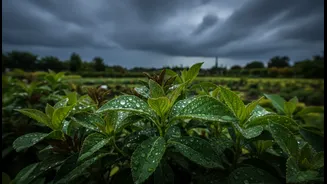
metros. The monsoon, particularly from June to September, is the engine of this green identity. According to horticulture experts, the combination of cooler weather, high humidity, and moist soil in July creates perfect conditions for seed germination and sapling survival. Plants that struggled in the summer heat find relief, and root development accelerates, making it the ideal time for planting and propagation. This period is a short, powerful burst of life that sets the tone for the rest of the year.
A Double-Edged Downpour
While the monsoon is a blessing, it demands respect. The same rains that trigger explosive growth can also create significant problems. The primary challenge for any Bengaluru gardener—from a Jayanagar terrace to a Whitefield balcony—is waterlogging. When pots and soil beds can't drain fast enough, roots can suffocate and rot. High humidity also creates a perfect breeding ground for fungal diseases like powdery mildew, while pests such as slugs, snails, and aphids thrive in the damp conditions. Success in a monsoon garden isn't just about planting; it's about managing this delicate balance between life-giving water and destructive dampness. The key is to anticipate these issues and prepare your garden to handle the deluge.
Your July Planting Blueprint
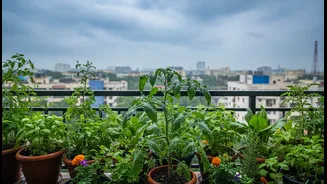
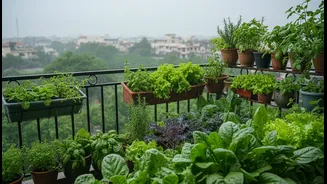
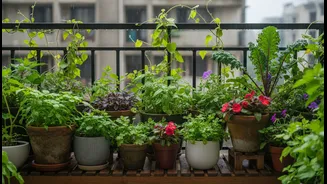
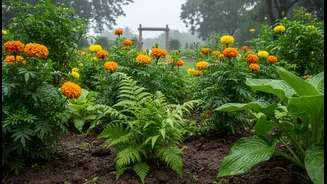
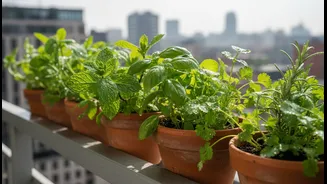
So, what should you be planting to take advantage of this window? For your kitchen garden, this is the prime time for many vegetables. Leafy greens like amaranth (chaulai) and spinach flourish. It's also an excellent time to plant ginger and turmeric, which love the monsoon conditions. Gourds, such as ridge and bottle gourds, are explosive growers now, though they require a trellis for support. For flowering plants, the undisputed star is the Rain Lily, which bursts into bloom after the first heavy showers. Other reliable choices include the vibrant Coleus, which loves the humidity, as well as hardy favourites like Hibiscus, Jasmine, and Marigolds. However, it's wise to avoid planting tomatoes, which are highly susceptible to fungal diseases in the humid weather.
Mastering the Monsoon Garden
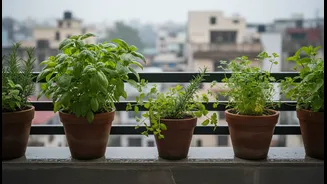
To navigate the challenges, focus on a few key strategies. First, drainage is non-negotiable. Ensure every pot has clear drainage holes and consider elevating them on bricks or stands to prevent them from sitting in water. Using a well-draining potting mix is crucial. Second, don't be fooled by rainy days; always check the soil before watering. Overwatering is a common mistake and can be more dangerous than underwatering during this season. Third, prepare for pests. A preventative spray of neem oil every 10-14 days can help manage common issues like aphids and fungal spores. Finally, a layer of organic mulch, like shredded leaves, can protect the soil from the force of heavy rain, prevent soil-borne diseases from splashing onto leaves, and suppress weeds.
More Than Just a Planting Window
Engaging with this seasonal rhythm connects you to the historical and ecological soul of Bengaluru. The city's green legacy began with rulers like Hyder Ali and was famously enhanced by visionaries who planned its avenues with trees that would flower in succession, ensuring year-round blooms. As the modern city grapples with rapid urbanization and the loss of its green cover, every balcony garden and terrace vegetable patch becomes a small act of restoration. By gardening with the monsoon, you are not just growing plants; you are participating in the living heritage of the Garden City, promoting local biodiversity, and creating a resilient green space that helps cool your surroundings and manage rainwater, even on a small scale.