







The Problem with Paper-Based Registration
Across India's major cities, registering a pet dog with the local municipal corporation is often mandatory. Cities like Delhi, Mumbai, Bengaluru, and Gurugram have established rules requiring owners to get a license, primarily as a measure for public
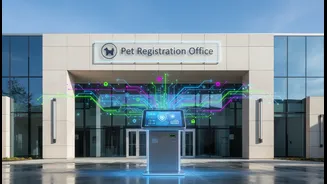
health and owner accountability. The process typically involves submitting a rabies vaccination certificate, address proof, and a nominal fee. However, this system is overwhelmingly focused on dogs; cats and other pets are rarely included, though some cities like Ahmedabad and Lucknow have recently started to mandate cat registration. For many owners, this annual exercise feels like a formality with little tangible return, a problem often described as “registration-without-services.” The paper license or metal token offers minimal help if a pet goes missing, leading to widespread non-compliance and a system that fails to build trust.
What is 'Registration Without Services'?
The core complaint from pet parents is that they pay an annual fee without receiving valuable services in return. The registration fee is seen as a simple tax, not an investment in a support system. If a registered pet gets lost, the municipal license offers little practical help in finding them. There is often no centralized, searchable database that a finder or a vet clinic can use to quickly identify the owner. This gap is the essence of 'registration-without-services'. Pet owners fear that registration data might be misused and see no clear benefit, leading to low participation rates. In Hyderabad, for instance, a cumbersome process and lack of perceived benefits resulted in very low registration numbers. For any system to work, it must provide clear value, and the most critical service for any pet owner is the assurance of a swift reunion if their companion is lost.
The Digital Solution: Microchips and QR Codes
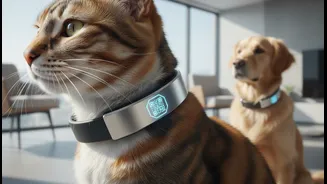
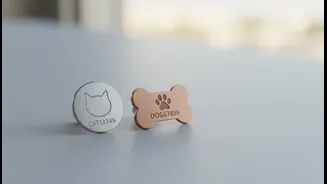
This is where digital identification comes in. A microchip, a tiny transponder the size of a grain of rice, is implanted under the pet’s skin by a vet. It contains a unique ID number that, when scanned, can be linked to a national database holding the owner's contact details. Unlike collars and tags that can be lost or removed, a microchip provides a permanent and tamper-proof form of identification. Studies show that microchipped pets are significantly more likely to be reunited with their owners. This technology serves as definitive proof of ownership, which is crucial in cases of theft or disputes. QR code tags on collars offer a more accessible, first-line-of-defence, allowing anyone with a smartphone to scan the tag and access owner details or a pet profile, complementing the security of a microchip.
Including Cats and Creating a Unified System
A truly effective digital identification system cannot be limited to just dogs. Cats are just as likely to get lost, and their owners face the same anxiety. By expanding mandatory registration to include cats, municipalities can create a comprehensive database that benefits the entire pet-owning community. Recent moves by cities like Ahmedabad, Chennai, and Lucknow to register cats are a step in the right direction. An ideal system would link the mandatory municipal registration directly to a pet's digital ID, such as a microchip number. This integration would transform registration from a bureaucratic chore into a powerful safety net. Platforms are now emerging in India that offer a permanent digital identity for pets, consolidating health records, microchip data, and ownership details into a single, verifiable profile—akin to an Aadhaar for pets.
From a Fee to a Service: A Better Future
By evolving the registration process, the fee can be justified as a payment for a suite of essential services. A modern, service-led registration system funded by these fees could support a central, 24/7 lost-and-found database accessible to vets, shelters, and the public. It could also help fund municipal animal welfare initiatives, such as sterilization programs and better-equipped shelters. This shifts the dynamic from punitive enforcement to collaborative pet safety. When owners see their registration fee directly contributing to services that protect their beloved animals, compliance is likely to increase dramatically. It fosters a sense of responsible pet ownership and community well-being, ensuring that every registered pet—whether a dog or a cat—is part of a network designed to bring them home safely.