



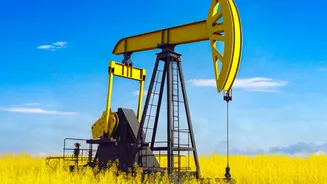

The Link Between Crude Oil and Your Ticket Price
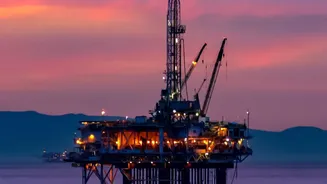
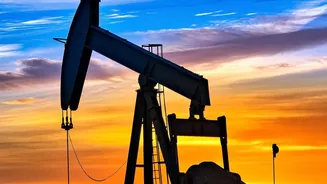
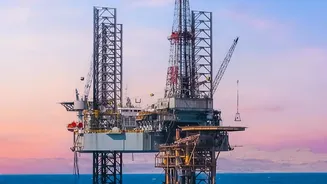
The connection between a conflict zone and your flight ticket might seem distant, but it's incredibly direct. Aviation Turbine Fuel (ATF), or jet fuel, is a refined petroleum product. When crude oil prices surge due to geopolitical instability, the cost
of producing jet fuel rises with it. This is a significant issue for airlines, as fuel can account for 30-40% of their total operating expenses. To manage these higher costs, airlines often have little choice but to pass them on to passengers in the form of higher fares or fuel surcharges. This isn't a new phenomenon; a similar trend was observed in 2022 following the conflict in Ukraine.
Are Fares Actually Increasing for Indian Travellers?
Yes, the impact is already being felt. As of early September 2026, domestic ATF prices in India have been increased for the second month in a row. This is driven by global crude prices rising above $91 per barrel due to ongoing tensions. While airlines may try to absorb some initial costs, industry experts warn that these hikes will eventually be passed on to passengers, especially with the festive season approaching. For international routes, the effect is compounded. Some airlines have already added significant fuel surcharges to cope with both higher fuel costs and longer flight times caused by rerouting around conflict airspace. The Middle East is a critical region for India's international air traffic, accounting for over half of all passengers.
Beyond Costs: Assessing Safety and Stability
While budget is a major concern, safety is paramount. The situation in parts of the Middle East remains unpredictable. Conflicts can lead to airspace closures, flight cancellations, and diversions, creating uncertainty for travellers even if their final destination is not directly in a conflict zone. Perceptions of insecurity can also reshape travel patterns, with some tourists opting for destinations perceived as safer. Before booking, it's crucial to understand that the risk of disruption is elevated. Attacks can target infrastructure like airports, and civil unrest may occur with little warning.
Where to Find Official Guidance
For the most reliable and up-to-date information, Indian travellers should consult official sources. The Indian Ministry of External Affairs (MEA) issues travel advisories for different countries. For instance, advisories from June and July 2026 recommended that Indian nationals avoid all non-essential travel to Iran and urged those already there to exercise extreme caution. It's also wise to check for alerts from your airline and review your travel insurance policy to understand what is covered in case of delays, cancellations, or changes in official travel advice. Registering with the local Indian Embassy upon arrival in any country is another prudent step.
To Book or To Wait: A Strategic Decision
Deciding whether to book now or hold off is a personal choice based on your risk tolerance and flexibility. Booking early can sometimes help you lock in a lower price before potential future fare hikes take full effect. However, the situation remains fluid. There have been periods where easing tensions led to a reduction in fuel surcharges by some carriers like Air India for certain long-haul routes. If you choose to book, consider opting for flexible fares that allow changes without hefty penalties. If your travel plans are not urgent, waiting for more stability in the region might offer greater peace of mind and potentially lower costs if geopolitical risks and oil prices subside.