



Setting Up Your Winter Garden
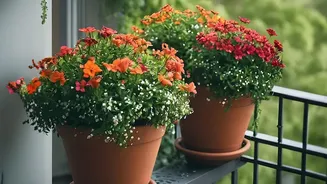
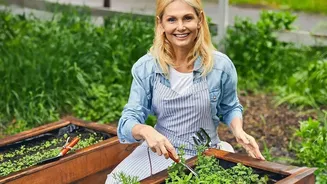
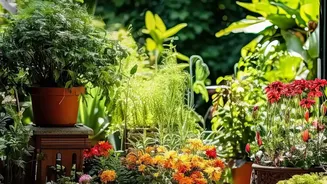
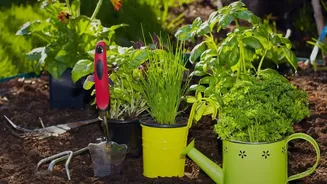
Starting a container herb garden is simpler than you might think, even in winter. The key is choosing the right setup. Select pots that are at least 8 to 12 inches deep to give roots ample space to grow. Terracotta or ceramic pots are excellent choices
as they allow for good airflow. Most importantly, ensure every pot has drainage holes at the bottom to prevent water from logging, which is a common reason for herbs failing in pots. For soil, herbs thrive in a light, well-draining potting mix. You can buy a ready-made mix or create your own by combining garden soil with organic compost and a bit of cocopeat or sand. This mixture provides nutrients while ensuring excess water drains away, keeping roots healthy.
Caring for Sacred Tulsi (Holy Basil)
Tulsi is a staple in many Indian households but can be sensitive to the cold. As a tropical plant, it needs special care during winter. It requires at least 4-6 hours of sunlight daily, so a sunny windowsill or a south-facing balcony is ideal. If temperatures drop significantly at night, it's best to move the pot indoors to protect it from frost. Watering is the most critical part of winter care. Tulsi needs much less water when the weather is cool. Always check the soil first; if the top inch feels dry, it's time to water. Overwatering in winter can quickly lead to root rot. Also, remember to regularly pinch off the flowering tops (manjari) to encourage the plant to grow bushier and produce more leaves.
Growing Versatile Mint (Pudina)
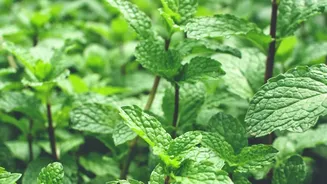
Mint is one of the easiest herbs to grow, making it perfect for beginners. Its vigorous nature means it can quickly spread, which makes growing it in a container an ideal way to keep it under control. Mint is quite flexible about sunlight, thriving in both full sun and partial shade, but aim for at least 3-4 hours of light during the shorter winter days. It prefers soil that is consistently moist but not waterlogged. During winter, you'll need to water less frequently than in summer, but don't let the soil dry out completely. A great benefit of mint is how easily it propagates. You can grow a new plant simply by placing a cutting in a glass of water until it develops roots. Regular harvesting by pinching off the top leaves will encourage the plant to become bushier.
Cultivating Fresh Coriander (Dhania)
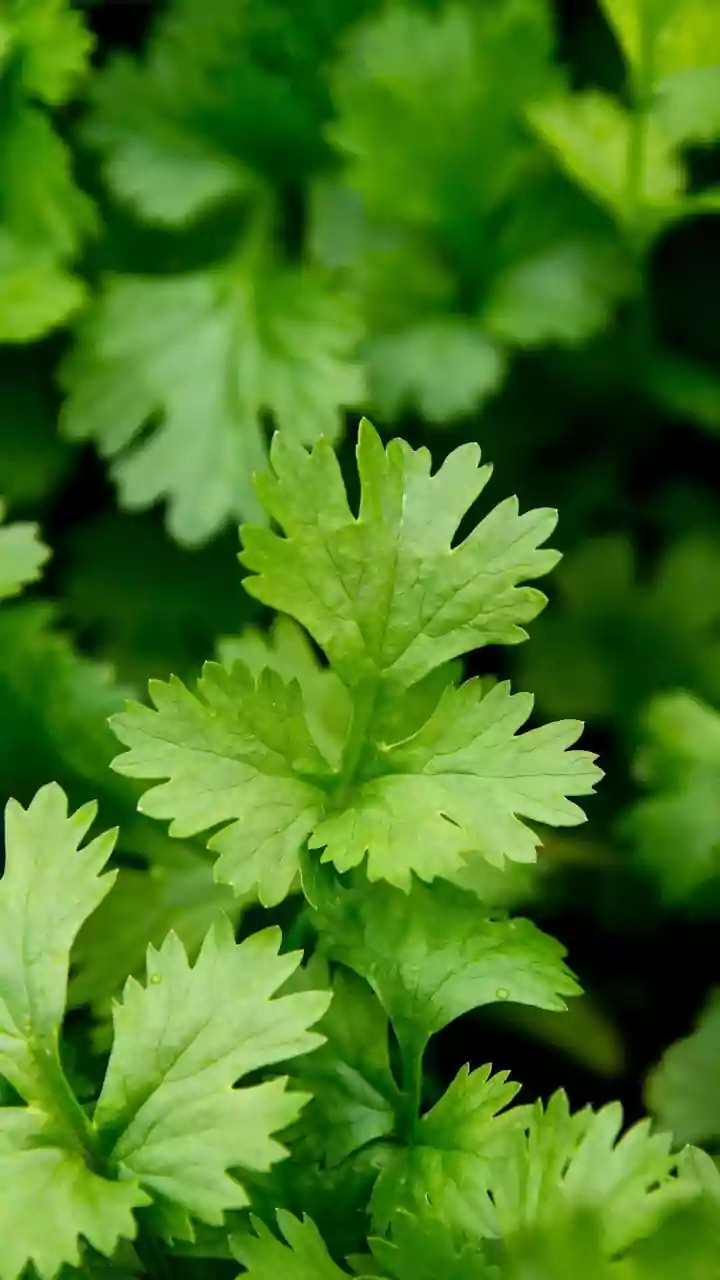
Fresh coriander, or dhania, is essential for garnishes, chutneys, and curries. Coriander is a cool-season herb, making winter the perfect time to grow it, as the cooler weather prevents it from 'bolting' (flowering too early). For the best results, sow seeds directly into their final pot, as coriander plants have a long taproot and do not like to be transplanted. Choose a container that is at least 10 inches deep. Before planting, you can gently crush the seeds and soak them overnight to speed up germination. The plant needs a spot that gets morning sun and some afternoon shade. Keep the soil evenly moist but not soggy. Leaves should be ready to harvest in about 4-6 weeks, and you can start picking the outer leaves once the plant is about 6 inches tall.
General Tips for Healthy Winter Herbs
Success with winter herbs in containers comes down to a few consistent practices. Adjust your watering schedule for the cooler weather; plants will generally need less water than in the hot summer months. Always use the 'finger test'—if the top inch of soil is dry, it’s time to water. Ensure your pots get as much sunlight as possible, as the days are shorter. Rotate your pots every few days so that all sides of the plants get some light. Feeding is less critical in winter as growth slows, but a light feed with some organic compost once every 4-6 weeks can replenish nutrients in the limited soil of a pot. Finally, harvest your herbs regularly. This not only gives you fresh ingredients for your meals but also encourages the plants to produce new, healthy growth.