





From Guesswork to Guaranteed Fit
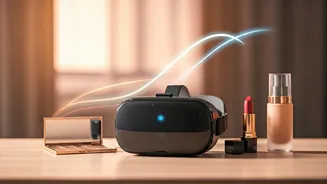
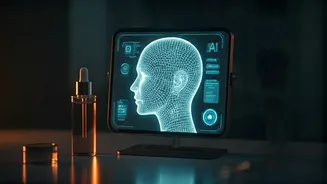
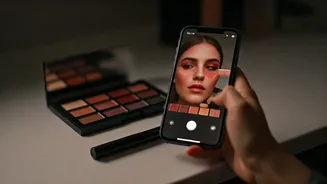
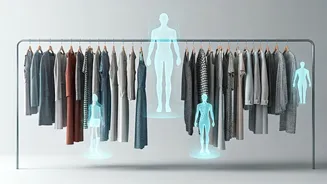
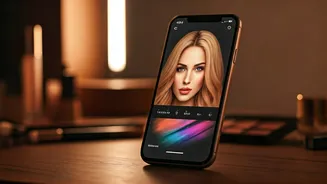
At its core, virtual try-on (VTO) technology uses a combination of artificial intelligence (AI) and augmented reality (AR) to let you see what a product will look like on you before you buy it. Using your phone’s camera or an uploaded photo, these systems
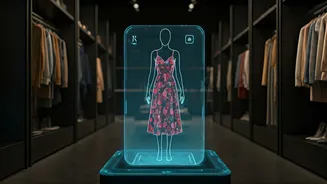
create a realistic simulation of clothing, makeup, or eyewear on your unique body shape and features. Advanced generative AI can now analyze standard product photos and predict how different fabrics will drape, fold, and stretch on your figure, making the digital fitting experience surprisingly accurate. This shift from hoping for the best to seeing the fit is a game-changer for online shoppers.
Tackling the Billion-Dollar Return Problem
For retailers, one of the biggest reasons for VTO's rising popularity is its ability to solve a massive financial headache: product returns. The fashion industry has long struggled with return rates as high as 40% for online orders, largely due to poor fit. This isn't just a logistical nightmare; it's a huge drain on profits and has a significant environmental footprint. By giving customers a much clearer picture of how an item will look, virtual try-on builds confidence at the point of purchase. The results are compelling, with studies showing that VTO can reduce return rates by up to 64%, directly boosting a company's bottom line.
Boosting Confidence and Conversion Rates
When uncertainty is removed, shoppers are far more likely to click 'buy'. The primary goal of any e-commerce site is to convert browsers into buyers, and virtual try-on is proving to be a powerful tool for this. Reports indicate that retailers implementing VTO solutions can see a significant increase in sales conversion rates, with some brands reporting lifts of up to 90%. Shoppers who use AR features are more engaged, spend more time on product pages, and feel a stronger connection to the brand. In India, major players like Myntra, Lenskart, and Nykaa have already adopted this technology to enhance the user experience and build trust with a diverse and rapidly growing online consumer base.
A Smarter, More Personalised Experience
Beyond just showing you a fit, AI is making the entire shopping journey more personal. VTO systems gather valuable data on user preferences, such as what styles, colours, and sizes people are trying on. This allows retailers to offer highly personalised recommendations, essentially acting as a digital stylist. Imagine an app suggesting a blouse that would pair perfectly with the trousers you just tried on, or a brand using trend data to inform its next collection. This level of personalisation not only improves customer satisfaction but also fosters brand loyalty, making shoppers feel understood.
Expanding Beyond Apparel
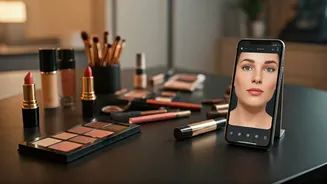
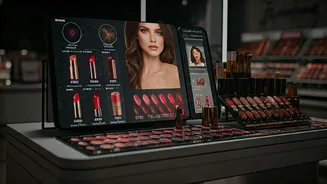
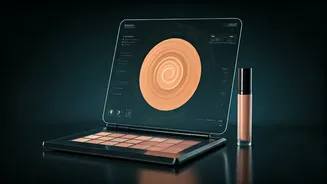
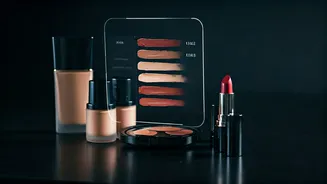
While fashion is a major driver, the applications for virtual try-on are expanding across the retail landscape. The beauty industry was an early adopter, with companies like L'Oréal and M·A·C allowing customers to test lipstick shades and foundations through their phone cameras, leading to huge spikes in engagement. The eyewear industry, led by brands like Lenskart, has made trying on frames online a standard feature. We're also seeing VTO used for jewellery, watches, and even furniture, where AR allows you to place a virtual sofa in your living room to see how it fits the space. This broad adoption signals a fundamental shift in consumer expectations for online retail.