


Your Phone is a Pocket Planetarium
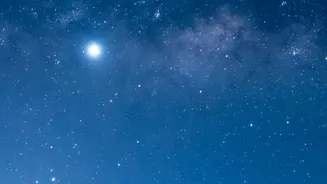
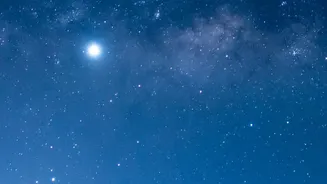
The biggest challenge for any aspiring urban astronomer is light pollution, the overwhelming glow from city lights that washes out all but the brightest stars. While this makes spotting faint constellations difficult, it cannot hide brilliant planets
like Jupiter and Saturn. The key is knowing exactly where to look. This is where your smartphone becomes an indispensable tool. Modern stargazing apps use your phone’s GPS and internal compass to create a real-time map of the sky. By simply pointing your phone upwards, the app’s augmented reality (AR) overlay identifies every celestial object, turning a confusing starfield into a navigable chart. It's the perfect way to cut through the visual noise and pinpoint your planetary targets.
Choosing Your Stargazing App
The app store is filled with options, but for beginners, a few stand out for their user-friendliness and powerful free features. Apps like Stellarium Mobile, Star Walk 2, and SkyView Lite are excellent starting points. Most offer a 'point-and-identify' function that is incredibly intuitive. Star Walk 2 is often recommended for beginners due to its appealing AR overlays, even in the free version. Stellarium is praised for its realism and comprehensive, clean interface. For those in India, many of these apps will show you exactly when planets are rising and setting from your specific location. Download one or two free versions to see which interface you prefer before committing to a purchase.
Mastering the Urban Environment
Once you have your app, your next step is to optimize your viewing conditions. While you can't turn off the city, you can minimise its impact. Find the darkest spot available to you—a park, a rooftop, or even a backyard with porch lights turned off. Use buildings or trees to block the direct glare from streetlights. Crucially, give your eyes at least 20-30 minutes to adapt to the darkness; this alone will dramatically increase what you can see. Finally, check the weather. The best nights for city stargazing are clear and dry, especially after a rainfall, which can wash pollutants from the air and improve transparency. Hazy skies amplify light pollution, making faint objects even harder to spot.
Finding Jupiter and Saturn Tonight
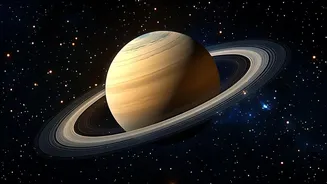
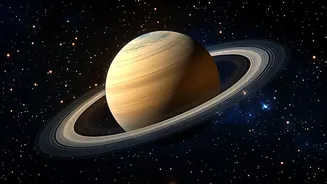
In September 2026, both gas giants are well-placed for viewing. Saturn, nearing its peak brightness ahead of its October 4th opposition, rises in the evening and is visible for most of the night. Jupiter rises later in the night, a few hours before the sun. To find them, open your app and use its search function. Type in “Jupiter” or “Saturn” and an arrow will likely appear on your screen, guiding you to its position. As you move your phone, the app will show you exactly where the planet is, even if it's currently below the horizon. Planets are typically easy to distinguish from stars because they shine with a steady, unwavering light, whereas stars tend to twinkle. Jupiter is exceptionally bright, while Saturn has a calmer, yellowish glow.
What to Expect and What's Next
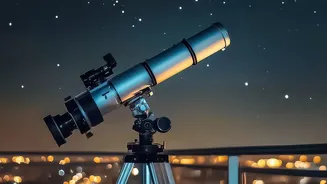
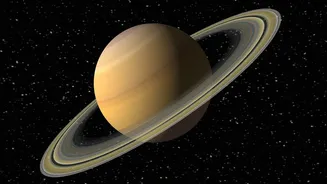
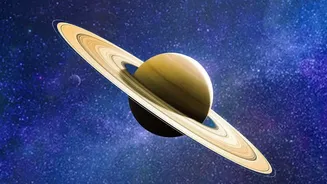
To the naked eye, both Jupiter and Saturn will look like very bright stars. You won't see Saturn's famous rings or Jupiter's cloud bands without a telescope or a good pair of binoculars. However, just identifying them and tracking their movement across the sky is a deeply rewarding experience. If you use binoculars, you might even be able to spot Jupiter’s four largest moons, known as the Galilean moons, appearing as tiny pinpricks of light in a line on either side of the planet. Capturing a photo is challenging due to the long exposures required, but modern smartphones with a 'Night Mode' can sometimes capture the planets as bright dots. For this, a small tripod to keep the phone steady is essential. Your journey starts with simply looking up, armed with the knowledge in your hand.