




From Thalis to Tasting Menus
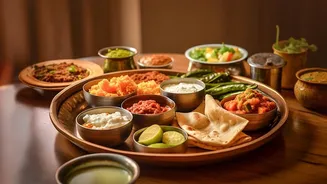
For generations, the thali has been the quintessential multi-dish experience in India—a complete, balanced meal served on a single platter. The tasting menu, however, flips this concept into a sequential journey. Instead of a single, abundant serving,
diners receive a series of small, meticulously crafted dishes, one after the other. Each course is designed to be a chapter in a story the chef wants to tell. This format, often called a dégustation menu, allows chefs to break free from the constraints of à la carte dining and guide guests through a curated culinary narrative, showcasing their full range of skills and vision. It’s a shift from a meal of choice to a meal of trust, where the diner hands over the reins to the kitchen.
The Chefs Behind the Curtain
This trend has been championed by visionary chefs who saw the potential to elevate Indian food's global standing. Manish Mehrotra of Indian Accent, a pioneer in this space, began reinterpreting familiar Indian flavours with global techniques, creating a format that felt both nostalgic and novel. His philosophy is to create food that, with eyes closed, tastes distinctly Indian, even if its presentation is modern. Similarly, restaurants like Masque in Mumbai, now helmed by Chef Varun Totlani, introduced a tasting-menu-only concept, focusing on hyperlocal and foraged ingredients from across India. In the Himalayas, Prateek Sadhu's Naar celebrates local ingredients and fast-fading recipes through its exclusive tasting menus. These chefs act as storytellers, using each course to narrate a tale of heritage, travel, or personal memory.
A Story in Every Bite
Why has this format become so popular? Because it transforms dining into an experience of intellectual and emotional discovery. A tasting menu isn't just about food; it's a mission to build awareness about where ingredients come from. Chefs are using it to spotlight India's incredible biodiversity, from foraged sea buckthorn to heirloom rice varieties. At Avartana in Chennai, South Indian cuisine is deconstructed into a theatrical, multi-sensory performance. At Trèsind in Mumbai, dishes are presented as avant-garde art. This format allows for a deeper connection to food, prompting diners to ask questions about produce, tradition, and technique. It turns a meal into a three-hour journey of discovery, where music, conversation, and service are all part of the narrative.
More Than Just a Meal
The rise of the tasting menu also reflects a change in the Indian diner. A growing class of urban professionals, exposed to global trends through travel and social media, is seeking unique experiences over mere consumption. They are curious, adventurous, and willing to pay for a memorable story. Dining is no longer just about satiety; it's about content, conversation, and cultural capital. A multi-course meal is inherently photogenic and shareable, amplifying the restaurant's reach organically. Economically, this model can also be more sustainable for restaurants, allowing for precise inventory control and reduced food waste, as chefs know exactly what they need to prepare each day.
Is This the Future of Food?
While once confined to metros like Mumbai and Delhi, this culinary movement is now spreading to Tier-2 cities like Jaipur and Kochi, where chefs are blending local pride with global techniques. This isn't just about copying a global trend; it's about adapting it to tell distinctly regional Indian stories. Of course, the high price point makes it an exclusive experience, but its influence is undeniable. Tasting menus are pushing Indian chefs to innovate, encouraging a deeper respect for local produce, and training a new generation of diners to appreciate food as a form of art. It’s a sign of confidence, ambition, and a new chapter in India's rich culinary history.