




The Simple Math of Smart Shopping
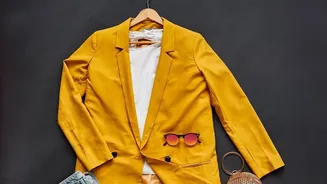
At its core, cost per wear is a straightforward calculation: divide an item's price by the number of times you wear it. A ₹20,000 jacket worn 50 times has a CPW of ₹400. A trendy ₹2,000 top worn only twice has a CPW of ₹1,000. The math quickly reveals
that the more expensive initial purchase can offer far better value in the long run. This mindset shifts the focus from the upfront price tag to long-term value, encouraging you to see your clothes as investments rather than disposable thrills. Some people even add maintenance costs, like dry cleaning or alterations, into the initial price for a more accurate calculation of an item's total cost over its lifetime.
Confronting Your Fantasy Self
Here's where the 'honest estimate' comes in, and it's often the hardest part. Many of us shop for a fantasy version of ourselves—the person who attends glamorous events, has a bustling social life, or finally commits to a new hobby. The reality, however, is that our actual lives dictate what we wear. The psychology of shopping is deeply tied to our emotions, identity, and aspirations. That sequined dress is stunning, but if your calendar is filled with PTA meetings and grocery runs, its CPW will remain astronomically high. Being honest means looking at your actual lifestyle, your current habits, and your real needs, not the ones you wish you had. Before buying, ask yourself not just if you love it, but if your life has room for it.
How to Make a Realistic Estimate
Getting your wear-count estimate right is a skill. Start by looking back, not just forward. Review your wardrobe and identify pieces you wear constantly versus those that gather dust. This reveals patterns in your preferences for fabric, fit, and style. Before a new purchase, try the '30 Wears Test', a concept popularized by Eco-Age founder Livia Firth. Ask yourself if you can realistically see yourself wearing the item at least 30 times. Consider its versatility: can it be dressed up and down? Does it work for multiple seasons? Does it match at least three other items you already own? Also, be practical about care. If an item is 'dry clean only' and you despise the errand, you'll subconsciously avoid wearing it, sabotaging its CPW from the start.
CPW as a Tool, Not a Rule
While CPW is a powerful tool for promoting mindful consumption and building a sustainable wardrobe, it doesn't have to be a rigid, joyless exercise. Fashion is also about self-expression, confidence, and creativity. There will always be room for a special occasion outfit that you know will have a high CPW but brings you immense joy. The goal of using CPW is not to eliminate these purchases entirely, but to make them the exception, not the rule. It helps curb impulse buys and the accumulation of fast fashion that gets worn only a handful of times before being discarded. By thinking in terms of CPW for most of your wardrobe, you create the financial and closet space to indulge in that occasional, less 'practical' piece without guilt.