





The New Buzzword: Satiety
So, what exactly is satiety? In simple terms, it's the feeling of being full and satisfied after eating, which helps manage your appetite and reduces the urge to snack between meals. For years, diet culture focused on restriction and low-calorie options,
but this often left people feeling deprived and prone to overeating later. The new approach, gaining traction across India, recognises that the quality of calories matters more than the quantity. It’s a shift towards mindful eating, where the goal is to feel nourished and energised for longer periods, not just to consume fewer calories. Trend reports for 2026 show that consumers are actively seeking foods that offer functional benefits beyond basic nutrition, with satiety being a top priority.
The Science of Feeling Full
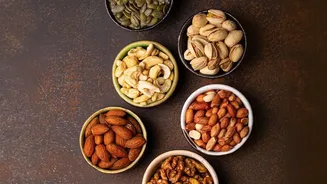
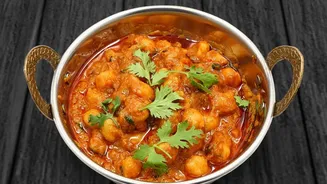
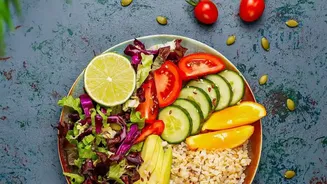
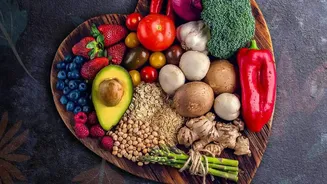
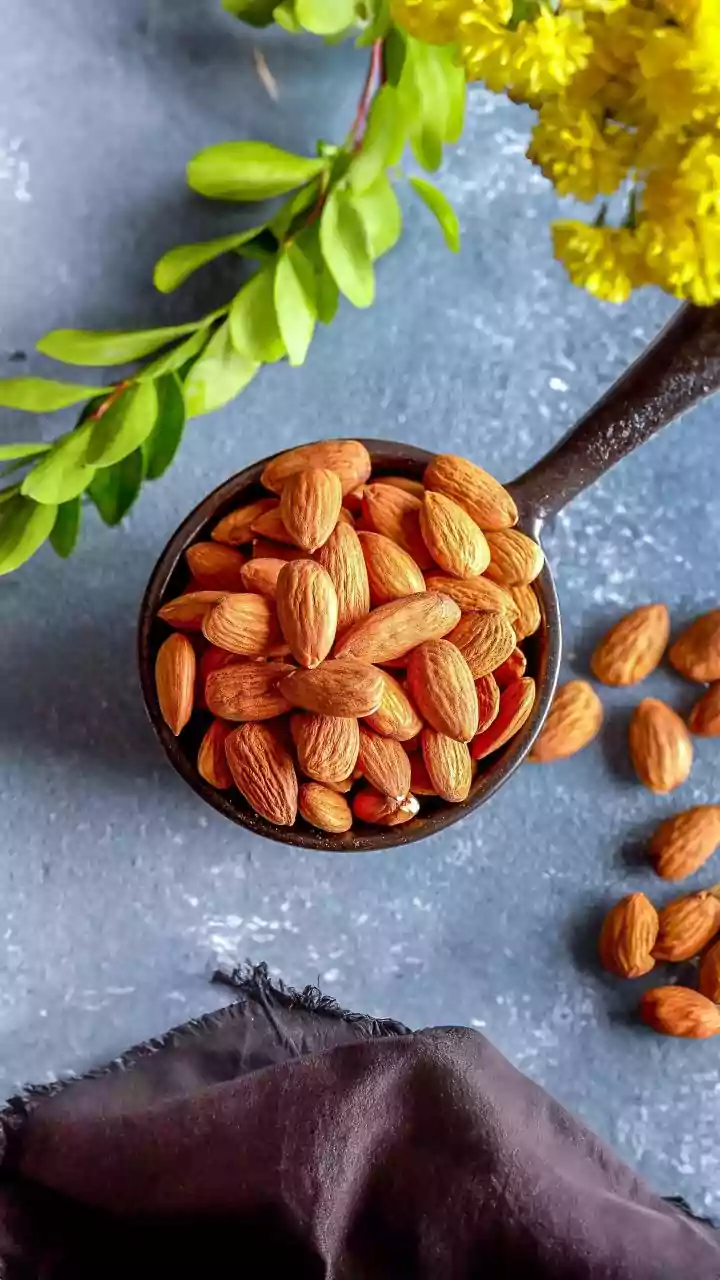
The feeling of fullness isn't just in your head; it's a biological process driven by key nutrients. The two main players are protein and fibre. Protein takes longer for your body to break down, which helps control blood sugar and cravings. Fibre, especially the kind found in oats and legumes, slows down digestion and adds bulk, signalling to your brain that you're full. Healthy fats, found in nuts and seeds, also play a crucial role in this satisfaction trifecta. This is why a handful of almonds or a bowl of dal can keep you going for hours, while a packet of refined-flour biscuits leads to a quick energy crash and renewed hunger.
Making the Swap: Everyday Examples
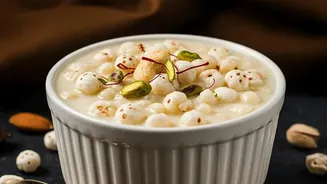
This new focus on satiety is reflected in the simple swaps people are making in their daily diets. Instead of starting the day with sugary, boxed cereals, many are opting for oatmeal or whole-wheat toast with eggs, which provide a balanced dose of complex carbs and protein. For that classic 4 PM tea-time snack, the humble biscuit is being replaced by more substantial options. Roasted makhana (fox nuts), a handful of mixed seeds like sunflower and pumpkin, or even a small bowl of sprouts offer a satisfying crunch along with fibre and protein. Similarly, roasted chickpeas are becoming a popular substitute for fried potato chips, and sugary juices are being traded for hydrating buttermilk (chaas) or unsweetened fruit yogurt. These aren't drastic sacrifices, but intelligent upgrades that prioritise long-term energy over a fleeting sugar rush.
Why This Trend Is Here to Stay
Several factors are driving this collective shift towards satiety. Health consciousness is on the rise in India, with consumers becoming more educated about the link between diet and overall well-being, including gut health and stable energy levels. The move is also away from ultra-processed foods towards whole, natural ingredients that our bodies are better equipped to handle. Brands are responding by highlighting fibre and protein content on their packaging and developing products like high-fibre breads, crackers, and snacks that cater to this demand. This isn't just a fleeting trend but a fundamental evolution in how we approach food—seeing it as fuel for a healthy, productive life rather than just a way to quiet a rumbling stomach.