

The Invitation: From Partner to Architect
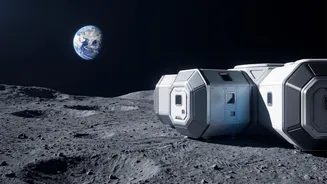
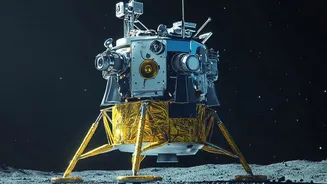
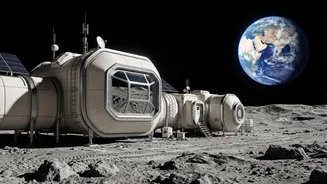
In early August 2026, during a high-level meeting at ISRO's Bengaluru headquarters, NASA extended a formal invitation for India to participate in its Moon Base program. This initiative, a core part of the wider Artemis program, aims to establish a sustainable
human presence near the lunar south pole. The collaboration is a natural extension of India signing the Artemis Accords in 2023, a US-led framework for responsible and cooperative lunar exploration. While India has long been a partner in space, evidenced by joint missions like the NISAR satellite, this invitation elevates the relationship. It positions India not just as a collaborator on singular missions, but as a potential contributor to building long-term infrastructure on another world, a significant step up in the strategic partnership.
A Technological Supercharge for ISRO
Participating in a project of this magnitude offers ISRO invaluable access to frontier technologies and operational protocols. Building a lunar habitat requires immense expertise in life-support systems, deep-space communication, advanced robotics, and resource utilisation, such as extracting water from lunar ice. Working alongside NASA, which has decades of experience, would provide a steep learning curve and allow India to avoid technological isolation. This knowledge transfer is crucial for India's own ambitious goals, which include a crewed lunar landing by 2040 and establishing its own space station, the 'Bharatiya Antariksha Station', by 2035. The practical experience gained from the Moon base would directly support and de-risk these future national missions.
Fueling India's Private Space Revolution
Perhaps the most significant impact will be on India's burgeoning private space industry. The Indian space economy, valued at around $8.4 billion in 2023, is projected to surge to over $40 billion by 2030 and potentially $100 billion by 2040. This growth is driven by a vibrant ecosystem of over 400 space startups. A project like the Moon base creates a massive demand for new technologies and components. Indian companies, already known for frugal engineering, could become key suppliers in the global lunar supply chain, providing everything from robotics and sensors to propulsion systems and software. This collaboration validates the commercial potential of the lunar economy, sending a strong signal to investors and creating tangible opportunities for Indian firms to move from prototypes to large-scale commercial contracts.
Strategic Gains and Scientific Discovery
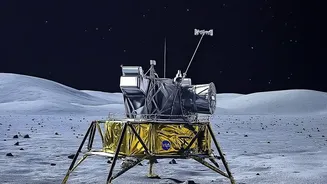
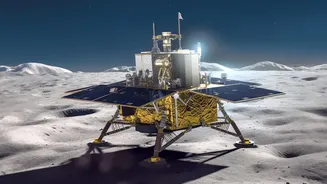
Beyond the nuts and bolts, this partnership solidifies India's position as a leading global space power. After the historic success of the Chandrayaan-3 mission, which made India the first nation to land near the lunar south pole, the country has proven its technical prowess and cost-effectiveness. This collaboration builds on that success, integrating India into the primary international effort for lunar settlement and governance. The scientific benefits are also immense. A permanent base on the Moon's south pole, an area rich with potential water ice, would be a hub for groundbreaking research. India would be at the forefront of these discoveries, contributing to and benefiting from shared scientific data that could unlock the secrets of the Moon and prepare humanity for future missions to Mars.