




Your Brain on a Dopamine Diet
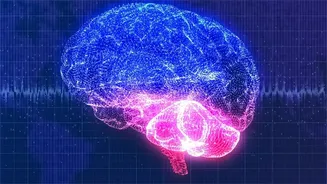
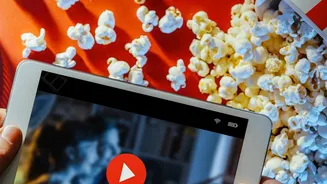
Think of your brain as a highly adaptable muscle. When you scroll through short-form videos on platforms like TikTok, Instagram Reels, or YouTube Shorts, you're feeding it a diet of constant, rapid-fire novelty. Each 15-second clip provides a tiny burst
of pleasure and reward, a little hit of a brain chemical called dopamine. This creates a powerful feedback loop; the brain learns to expect quick, intense rewards, making you want to keep scrolling for the next hit. Over time, this conditions your brain to favour brief, fragmented bursts of information. Activities that require sustained focus and offer a slower, more delayed payoff—like reading a book or watching a feature film—can start to feel boring or even difficult by comparison.
The Scan-and-Shift Effect
This constant training has a name: some researchers call it the "scan-and-shift hypothesis." The idea is that heavy use of social media encourages our brains to rapidly shift attention from one stimulus to the next, making it harder to engage in deep, sustained focus. One study found that even just five minutes of scrolling through TikTok before a reading task made participants less focused and more likely to just scan the text. This 'rewiring' process is due to neuroplasticity, the brain's ability to reorganize itself based on experiences. The repeated action of swiping strengthens neural circuits for rapid attention-switching while weakening those responsible for prolonged concentration. So when you sit down for a movie, your brain is still in 'scan mode', waiting for the next scene, the next jolt of action, making the slow burn of character development feel like an eternity.
Story Arcs vs. Instant Gratification
Traditional feature films are built on a narrative structure that has existed for centuries: a beginning, a middle, and an end. They require patience. A director spends time establishing characters, building a world, and slowly increasing the tension toward a climax. This entire structure is at odds with the culture of short-form video, where the goal is to deliver a punchline, a shocking reveal, or a satisfying visual within the first three seconds. This has created a generation of viewers whose patience has worn thin. Some studies show a decline in the 'ideal' movie runtime, with younger generations preferring shorter films. The endless scroll offers instant gratification, while a film asks you to invest your time and attention for a reward that might be an hour or more away. That's a tough sell for a brain accustomed to getting what it wants, right now.
How the Film Industry Is Adapting
Hollywood and other film industries are not blind to this trend. There's evidence that filmmakers are being encouraged to adapt their storytelling for a less patient audience. Some reports mention that streaming services like Netflix advise creators to hook viewers within the first few minutes and even reiterate plot points throughout the movie, assuming viewers are multi-screening with their phones. This might mean more action-packed openings, faster-paced editing, and less quiet, contemplative moments. However, there is a paradox. While attention may be fracturing, epic-length blockbusters like 'Oppenheimer' and 'Avatar: The Way of Water' have been huge commercial successes. This suggests that while casual viewing habits are changing, audiences are still willing to commit to a long film if it promises a truly immersive, can't-get-it-anywhere-else experience that justifies putting their phones away.