






The New Price of Admission
Going to the movies is no longer a casual outing; it’s a planned expense. In India, average multiplex ticket prices have been steadily climbing, rising over 12% in just two years to about ₹134 by 2024. In major cities like Mumbai or Delhi, weekend shows
for a major blockbuster can cost anywhere from ₹300 to over ₹1,600 for premium formats like IMAX. Add on the notoriously expensive popcorn and drinks, and a family of four could be looking at a bill of ₹2,000-₹3,000. For that same amount, one could get a two-year subscription to a streaming service. This financial reality forces a question upon the viewer: 'Is this experience worth the cost?' For a growing number of people, the answer is only 'yes' if the film offers something truly monumental that their home setup cannot possibly replicate.
The Streaming Disruption
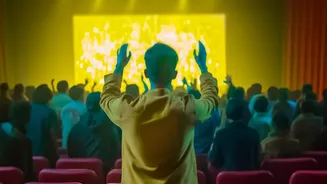
The rise of dozens of Over-The-Top (OTT) platforms in India has fundamentally altered viewing habits. With vast libraries of content available for a relatively low monthly fee, convenience is king. Surveys show that a majority of urban Indians now prefer streaming at home, with some studies suggesting cinema attendance has dropped as a result. Platforms have become the default home for mid-budget dramas, quirky comedies, and character-driven stories. This has pushed cinemas into a corner, forcing them to become the exclusive domain of the 'event' film. The theatrical release window is no longer just about seeing a film first; it’s about participating in a cultural moment, an experience defined by scale, sound, and shared reactions that streaming at home cannot match.
The Pan-Indian Spectacle Blueprint
Indian cinema itself has provided a powerful blueprint for this trend. The colossal success of films like the 'Baahubali' series, 'RRR', and 'K.G.F: Chapter 2' proved that audiences across the country will turn out in massive numbers for a grand vision. These films, often originating from South Indian industries, became nationwide phenomena by delivering larger-than-life action, breathtaking visuals, and epic storytelling. They transformed a trip to the cinema from just watching a film into attending an event. Their record-breaking box office collections, with 'Baahubali 2: The Conclusion' remaining the highest-grossing film in India, have created a powerful feedback loop. Producers see the immense profits in spectacle, and audiences, having tasted that level of cinematic grandeur, now expect it.
More Than a Movie, It's an Experience
Multiplexes have leaned into this demand, marketing not just the film but the experience itself. Premium formats like IMAX, 4DX, and Dolby Cinema offer bigger screens, immersive sound, and even physical effects that justify a higher ticket price. This is an arms race against the living room, and spectacle is the main weapon. There's also a deep-seated psychological component at play. Watching a movie in a dark room with hundreds of strangers creates a powerful shared emotional experience. Laughter is more infectious, suspense more palpable, and emotional moments more resonant. This communal aspect is something that a solo streaming session cannot replicate, and it's a key reason why films designed for big crowd reactions—action blockbusters, epic adventures, and horror films—are the ones that feel most 'necessary' to see in a theatre.
A Space for the Middle?
Does this mean the end for smaller, story-focused films on the big screen? Not necessarily. Recent trends have shown that mid-budget films with strong stories, emotional depth, and positive word-of-mouth can still find theatrical success. In a sense, the deluge of content on streaming platforms has made audiences more selective, willing to pay for a theatrical experience if the story is compelling enough, regardless of budget. This suggests a potential future where the theatrical slate is not a monoculture of blockbusters, but a more curated collection. On one end, you have the must-see-on-IMAX spectacles, and on the other, you have the must-see-because-everyone-is-talking-about-it story-driven hits. Both offer something unique that justifies leaving the house.