







Why This Monsoon Is No Different
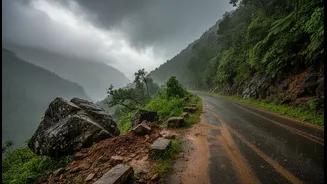
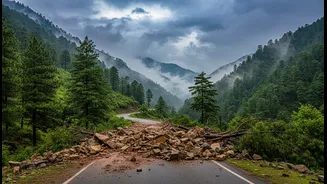
July 2026 has already seen heavy rainfall triggering landslides and flash floods across India's northern states. In early July, torrential rains in Himachal Pradesh and Uttarakhand caused multiple road blockades, disrupting traffic and leaving travellers
stranded. On July 7th, it was reported that heavy overnight rain in Himachal led to flash floods and landslides, while a landslide was also reported on the Gangotri Highway in Uttarakhand. Just days prior, dozens of roads, including parts of the Badrinath National Highway, were closed in Uttarakhand due to landslides. These aren't isolated incidents; they are a seasonal reality. The monsoon saturates the soil on steep slopes, making them unstable. A sudden downpour can trigger debris flow, block vital highways for hours or even days, and pose a significant risk to safety.
Your Official Go-To Sources for Road Status
Relying on old travel blogs or word-of-mouth can be risky. The most reliable information comes directly from official channels that monitor conditions in real-time. Before you start your engine, make it a habit to check these resources: State Police & Disaster Management Websites: Most state governments, particularly in Himalayan regions, maintain dedicated portals for traffic and disaster updates. For instance, the Himachal Pradesh Police and Uttarakhand State Disaster Management Authority regularly post advisories. Look for websites ending in 'gov.in' or 'nic.in'. Official Social Media Handles: Twitter (now X) is a primary tool for state police departments to disseminate instant updates. Following the official handles of the traffic police for the state you're visiting (e.g., Himachal Pradesh Police, Uttarakhand Police) can provide hourly information on closures and diversions. National Highways Authority of India (NHAI): For information on major national highways, the NHAI portal can offer updates on large-scale closures or repair work. District Administration Websites: For more localized information, especially if you are travelling to a specific district like Lahaul and Spiti or Kinnaur, the district's official website often provides detailed road status updates.
Decoding the Advisories
When you find an update, it's important to understand what it means for your trip. A 'road closed' status is clear, but look for other nuances. 'Traffic regulated' or 'one-way movement' suggests heavy congestion and potential delays. Pay close attention to weather alerts from the India Meteorological Department (IMD), which often accompany road advisories. An 'orange' or 'red' alert for a district you plan to drive through is a strong signal to reconsider or postpone your travel. Also, note the specific stretches mentioned, like the Mandi-Pandoh-Aut section in Himachal, which are known high-risk zones for landslides during the monsoon. These alerts aren't meant to scare you, but to help you make an informed decision.
Your Pre-Travel Safety Checklist
Beyond checking websites, a few extra steps can add a crucial layer of safety to your mountain journey: Plan for Buffer Days: Never pack your itinerary too tightly. Monsoon travel often comes with unexpected delays. Having an extra day or two provides flexibility without the stress of missing a flight or an important engagement. Inform Someone: Share your detailed itinerary, including your route and expected timelines, with family or friends. Inform them once you've checked in to your hotel. Pack an Emergency Kit: Your car should be equipped for a potential long halt. This includes a powerful torch, a fully charged power bank, a first-aid kit, and a supply of dry snacks and water. Start Early, Drive Slow: Begin your day's journey early to maximize daylight hours. Winding mountain roads demand slow, cautious driving, and visibility can drop suddenly with rain and fog. Never try to cross a waterlogged stretch or a patch with flowing debris unless you are certain it is safe.