




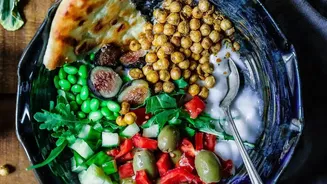

Rethink Your Fasting Plate
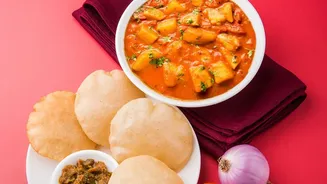
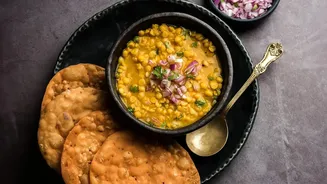
The purpose of a Navratri fast, from a dietary perspective, is to cleanse the body with light, sattvic foods. However, the modern fasting plate is often dominated by deep-fried snacks like kuttu puris, sabudana vadas, and potato chips. While delicious,
these foods are heavy on starch and oil, which can lead to sluggishness, acidity, and bloating. The key to a fulfilling fast is to shift your mindset from surviving on snacks to building complete, balanced meals. Instead of asking what you can quickly fry, ask how you can combine vrat-approved ingredients to create a nourishing thali that sustains you. This approach not only prevents energy dips but also honours the detoxifying spirit of the fast.
Build a Foundation with Better Flours
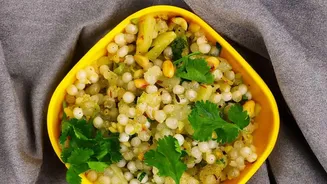
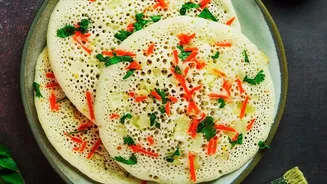
The base of any filling meal is carbohydrates, but not all carbs are created equal. During Navratri, you have access to several nutritious, gluten-free flours and grains that provide sustained energy. Buckwheat flour (kuttu ka atta), amaranth flour (rajgira ka atta), and water chestnut flour (singhara ka atta) are excellent choices. These are high in protein and fibre compared to the simple starch of sabudana (tapioca pearls). For example, you can make rotis or cheelas from kuttu or rajgira flour instead of deep-frying puris. Similarly, barnyard millet (samak ke chawal) is a fantastic substitute for regular rice, rich in iron and fibre that keeps you feeling full for longer. Focus on preparing these as rotis, cheelas, or simple pulaos rather than fried items.
Power Up with Protein and Vegetables
A common mistake during Navratri fasting is neglecting protein, which is crucial for satiety and maintaining muscle function. Since lentils and legumes are avoided, dairy products like paneer and yogurt (dahi) become your primary protein sources. Incorporate paneer into vegetable dishes or have it lightly sautéed. A bowl of curd or a glass of buttermilk (chaas) not only adds protein but also aids digestion and keeps you hydrated. Pair these proteins with fibre-rich vegetables. Instead of relying solely on potatoes, explore other permitted vegetables like pumpkin (kaddu), bottle gourd (lauki), and cucumber. A simple lauki or pumpkin sabzi can be far more filling and nutritious than another serving of fried potatoes.
Embrace Healthy Fats and Smart Snacking
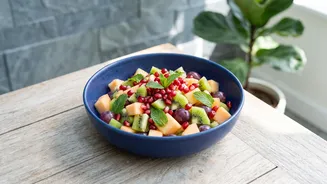
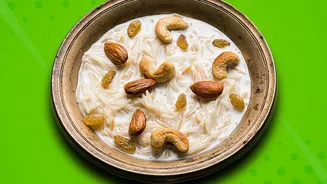
If you do need a snack, choose wisely. The goal is to avoid packaged, processed vrat snacks which can be high in salt and unhealthy fats. Instead, turn to whole foods. A handful of nuts like almonds, walnuts, and cashews provides healthy fats, protein, and sustained energy. Roasted makhana (fox nuts) are another excellent option; they are light, crunchy, and packed with protein. Fruits are your best friend for managing sweet cravings and getting a quick energy boost. For a more substantial snack, consider a bowl of fruit chaat, a fruit and nut smoothie, or boiled sweet potato chaat. These options are far more balancing than a plate of fried pakoras.
Hydration Is Non-Negotiable
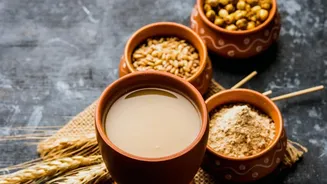
Often, what we perceive as hunger is actually thirst. Staying well-hydrated is essential to keep energy levels up and manage hunger pangs throughout the day. While water is the best choice, you can supplement it with other healthy drinks. Coconut water is excellent for replenishing electrolytes. Freshly made lemonade (using sendha namak and a natural sweetener like honey if needed) and buttermilk are also great choices. Try to avoid excessive consumption of tea and coffee, which can be dehydrating. By drinking fluids at regular intervals, you support your body's detoxification process and are less likely to overeat during your main meals.
Your Balanced Vrat Thali
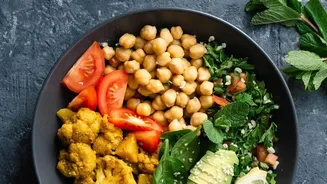
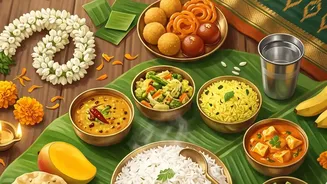
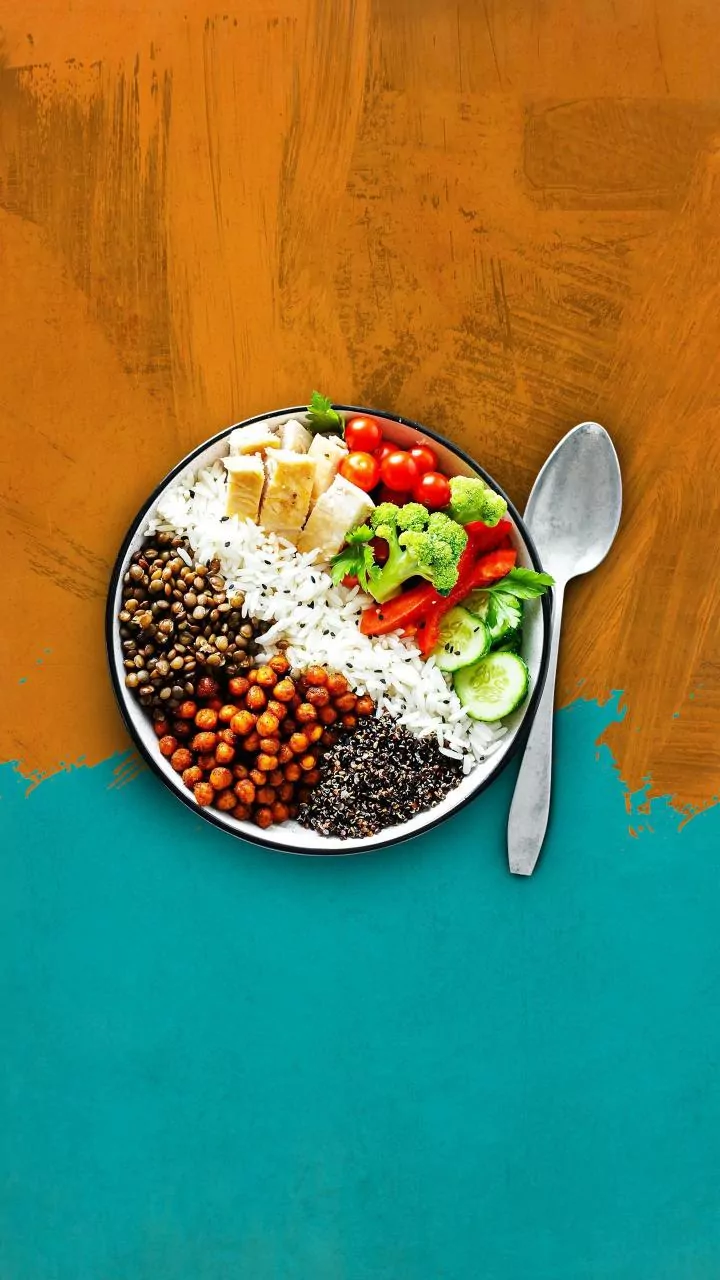
So, what does a balanced, filling Navratri meal look like? Instead of a plate of puris with a side of fried potatoes, picture this: two kuttu or rajgira rotis, a bowl of pumpkin or lauki sabzi, a side of paneer bhurji, and a bowl of plain curd. Another option could be a bowl of samak rice pulao cooked with vegetables, served with a refreshing cucumber raita. This combination provides complex carbs, protein, fibre, and healthy fats. It’s a meal that is both compliant with fasting rules and nutritionally complete, ensuring you feel satisfied and vibrant, not sluggish and heavy.