

Weaving Memories into Your Walls
Every saree tucked away in a mother's or grandmother's cupboard holds a story—of festivals, weddings, or quiet family moments. Instead of letting these cherished textiles fade, repurposing them as window drapes breathes new life into them. This act transforms
them from forgotten fabrics into functional art that carries emotional value and personal history into the very architecture of a room. Whether it's a radiant Banarasi silk or a soft, breathable cotton, the fabric's unique personality, intricate weaves, and rich colours add a layer of depth and character that mass-produced curtains simply cannot replicate. This approach is deeply rooted in the Indian tradition of upcycling, where nothing of value is mindlessly thrown away.
The Allure of Vintage Heritage
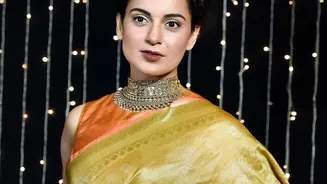
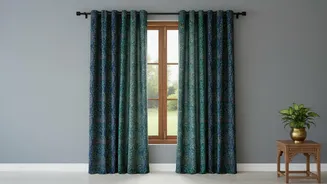
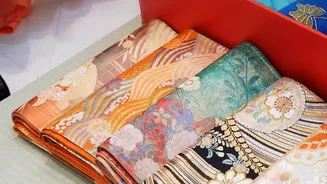
The vintage charm of saree drapes lies in their authenticity. The intricate pallu of a Kanjeevaram can become a dramatic centrepiece, while the delicate border of a Chanderi adds a subtle, elegant frame to a window. Using these handcrafted textiles aligns with a broader appreciation for vintage decor in Indian homes, which favours aged textures, reclaimed materials, and artisanal quality. Silk sarees, in particular, can be stitched into luxurious drapes perfect for festive occasions, adding a regal touch to a living room or pooja space. The result is a home that feels grounded and connected to its cultural roots, where decor pieces are not just objects but storytellers.
A Statement in Sustainable Design
Beyond their beauty, upcycled saree drapes are a powerful statement in sustainable living. Choosing to repurpose is an eco-conscious decision that reduces textile waste and lessens the demand for new materials. This practice is at the heart of sustainable decor, which prioritizes reusing and upcycling to minimize environmental impact. As conscious consumerism gains momentum, turning to what we already own is both a practical and ethical choice. By giving an old saree a second life, you are participating in a circular economy, creating a home that is not only stylish but also kind to the planet. This approach moves away from fleeting trends and towards timeless, meaningful design.
Creating Ambiance with Light and Colour
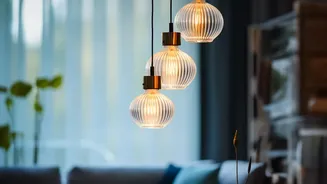
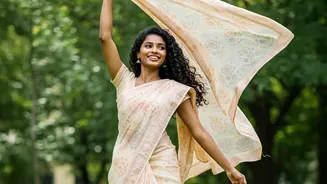
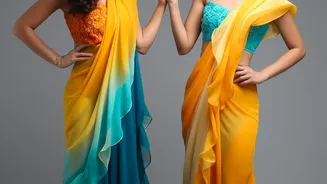
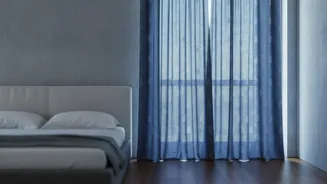
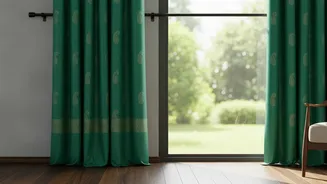
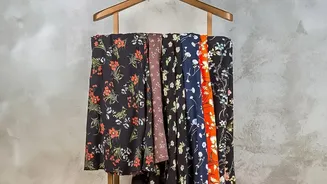
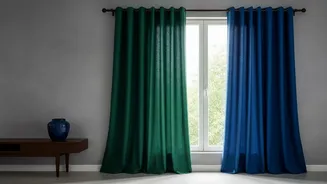
The fabric of a saree interacts with light in a unique way. Lightweight sarees like chiffon, georgette, and fine cottons work beautifully as sheer, flowy curtains that allow natural sunlight to filter through, creating a soft, ethereal glow while maintaining privacy. This can make a room feel airy and bright. Heavier silks, on the other hand, offer a richer, more opaque covering that adds a sense of warmth and grandeur. For a more robust solution, lighter sarees can be backed with a simple cotton lining, providing durability and a more structured fall, similar to hotel-style curtains. The vibrant colours and patterns inherent in sarees can instantly uplift a neutral space, acting as a focal point that ties the room's decor together.
Bringing the Idea Home
Creating your own saree curtains can be a simple DIY project. The most straightforward method is to use the full length of the saree, simply stitching a channel at the top to slide onto a curtain rod. For a more tailored look, you can cut the fabric to the desired length, using the decorative pallu as a striking border at the top or bottom. For those who prefer a professional touch, many local tailors or specialized design studios can transform your sarees into polished drapes, often combining fabrics or adding linings for a perfect finish. The first step is simply to look into your own collection of heirloom textiles and reimagine their potential not as garments of the past, but as a vibrant part of your home's future.