

You’ve pictured it for years: the perfect photo in front of a timeless French landmark. But the reality can be a rushed shuffle, with mere moments to capture the magic. This isn't just bad luck; it’s by design, and here’s what you need to know.
The Reality of Overtourism
France
remains the world's most visited country, a fact that brings both pride and problems. With some reports indicating that 80% of tourism is concentrated in just 20% of the country, iconic sites are under immense pressure. This phenomenon, known as 'overtourism', threatens the integrity of historic locations, the quality of life for residents, and the visitor experience itself. In response, French authorities and site managers have implemented strategies to regulate visitor flow. These aren't just about managing queues; they are essential measures for preservation and security, ensuring these treasures last for generations to come. This has led to the rise of timed-entry tickets, daily visitor caps, and structured viewing paths that, while efficient, can feel restrictive to the photo-seeking tourist.
Seconds with the Mona Lisa
Nowhere is this time crunch more famous than at the Louvre in front of Leonardo da Vinci’s Mona Lisa. The museum, which can see up to 30,000 visitors a day, has a system in place to keep the massive crowds moving in the Salle des États. After a lengthy wait in a roped-off queue, visitors are ushered forward in small groups. Once you reach the front, you have a very brief window—often less than a minute—to see the painting and take your photo before guards politely but firmly move you along to make way for the next group. While the museum's official policy states that viewing time may be limited during busy periods, the reality for most is a fleeting encounter. Taking a clear, unhurried photo is a significant challenge amidst the sea of raised smartphones.
Pressure at the Peak
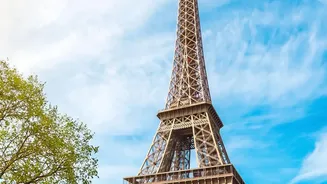
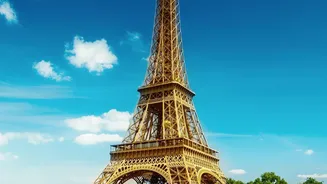
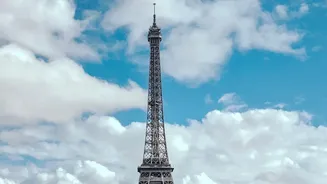
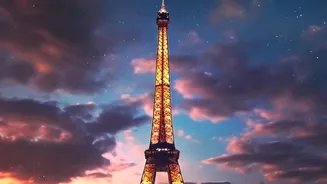
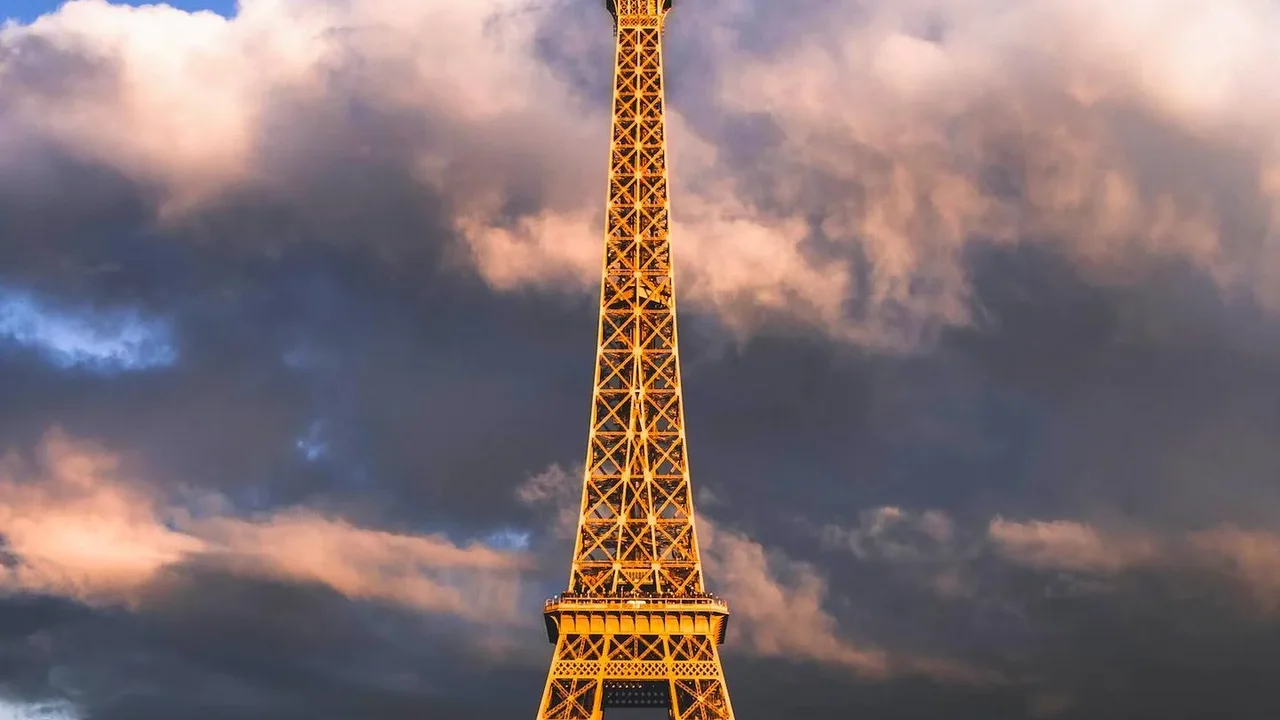
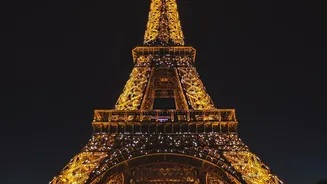
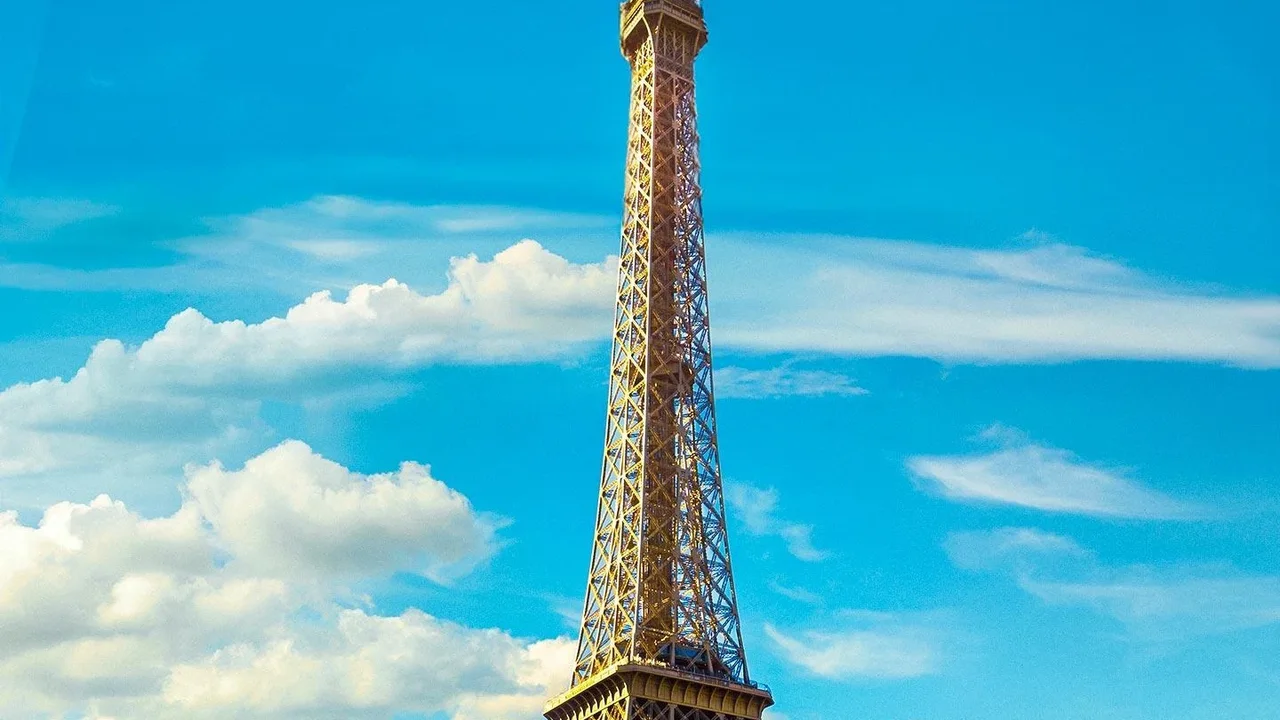
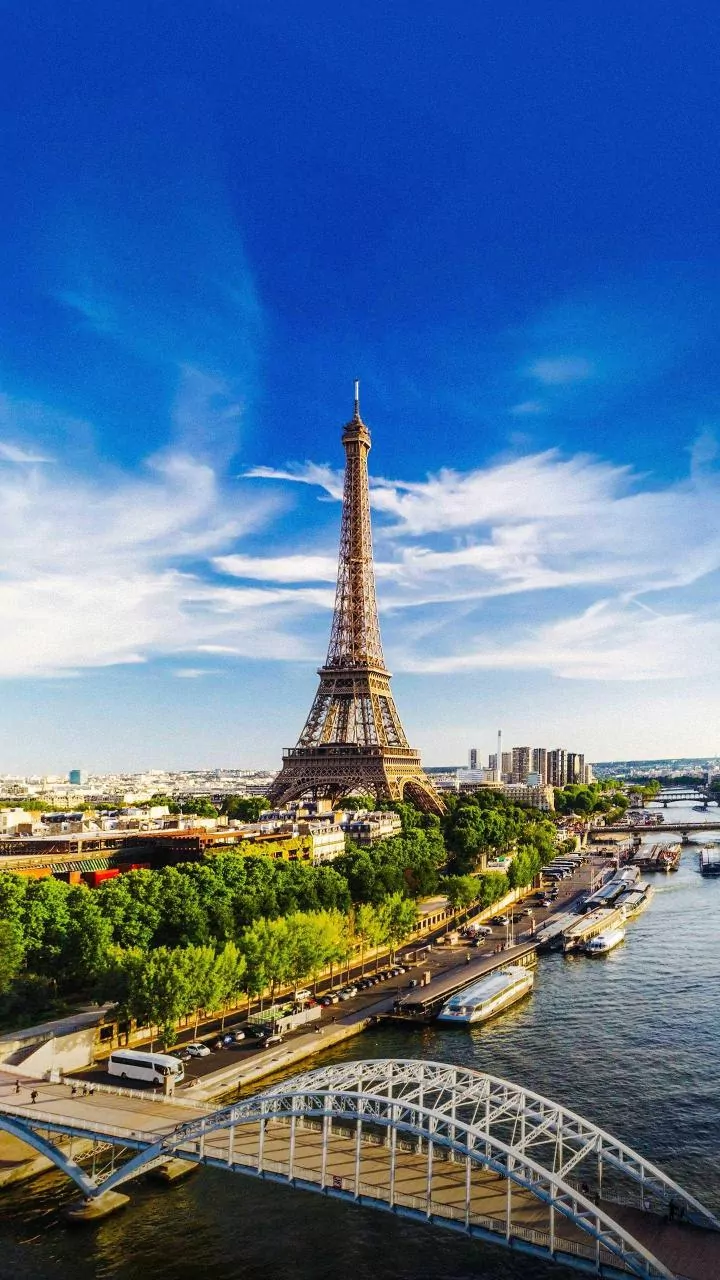
The Eiffel Tower presents a different kind of time pressure. While your ticket grants you a specific time slot for entry, the total visit can take between 1.5 to 3 hours, factoring in security and elevator lines for each level. The most coveted spot, the summit, adds extra waiting time for the final elevator. Once at the top, while there's no explicit time limit, the constant flow of new arrivals and the relatively small viewing area create an unspoken pressure to see the views, snap your pictures, and descend. During peak times like sunset, this feeling is amplified, turning a leisurely panoramic experience into a more functional, and sometimes rushed, photo opportunity. Spontaneous visits are possible, but summit access can be temporarily closed during the busiest periods, limiting you to the lower floors.
Beyond Paris: Timed Itineraries
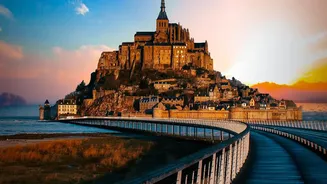
This trend isn't confined to the capital. At Mont Saint-Michel in Normandy, while the village is freely accessible, entry to the magnificent abbey at its peak is ticketed and timed. Last entry is typically an hour before closing, which provides just enough time for a brisk, one-hour tour. Arriving late means you'll have to rush through centuries of history. Similarly, sites like the Calanques National Park near Marseille now require a reservation system, capping daily visitors to just 400 people to protect the fragile environment, a dramatic reduction from the 2,500 who once visited daily. These measures are spreading as France actively works to promote sustainable tourism and encourage visitors to explore beyond the usual hotspots.
Tips for a Better Shot (and a Better Trip)
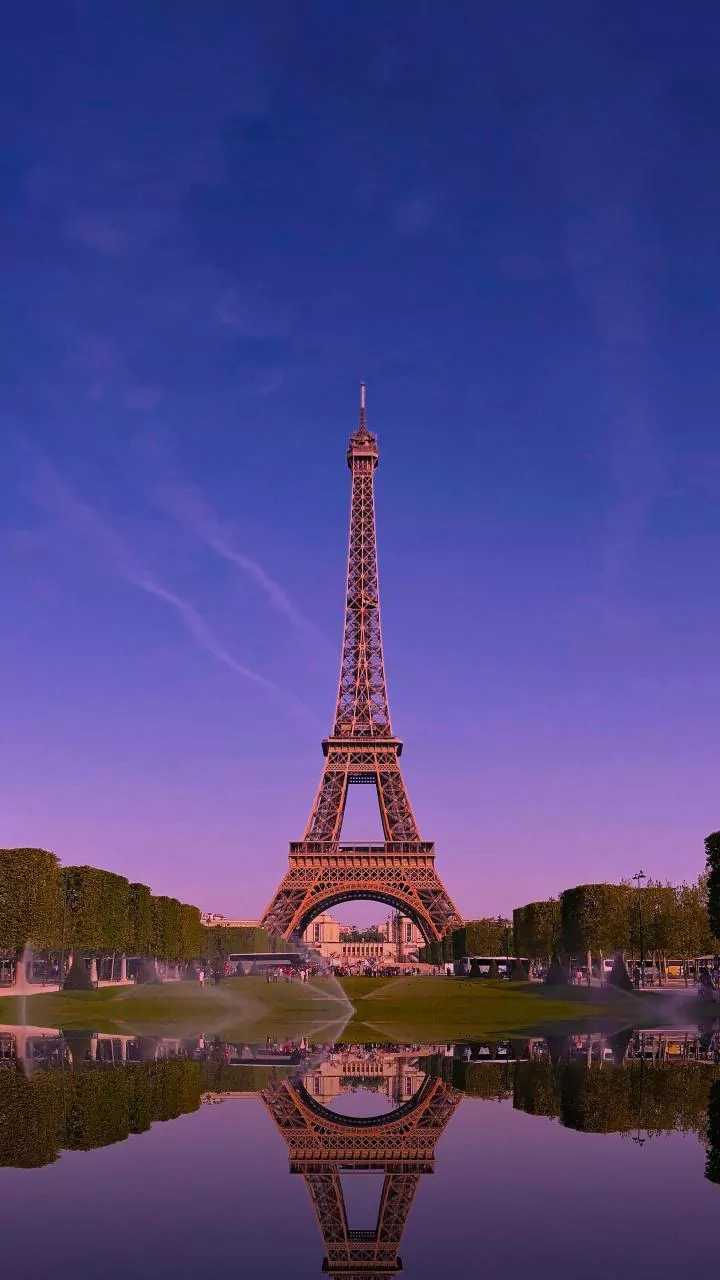
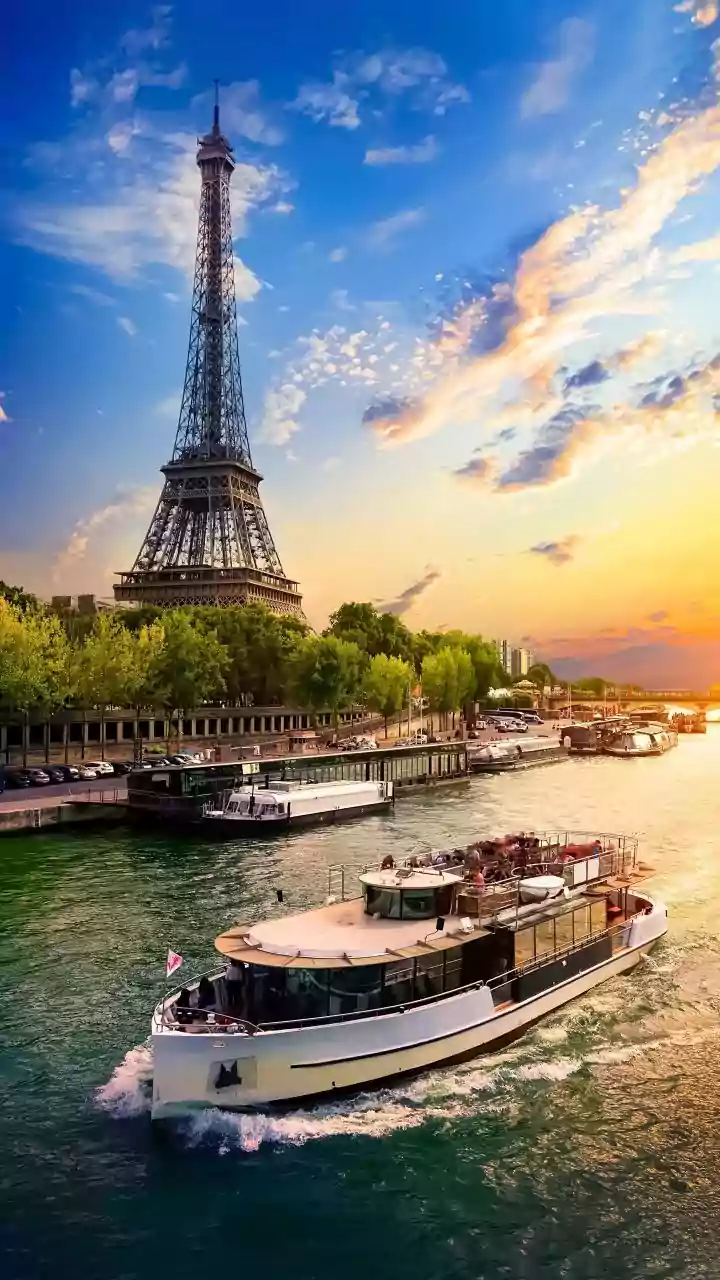
So, how can you navigate these limitations? First, adjust your expectations. The goal should be to experience these places, with a photo as a bonus, not the sole objective. For the best chance at a less-crowded photo, book the first or last time slot of the day. Rising early often rewards you with softer light and fewer people. Consider visiting during the off-season (November to March) when crowds are thinner. Another strategy is to find alternative perspectives. Instead of the scrum in front of the Mona Lisa, photograph the magnificent 'The Wedding at Cana' opposite it. For the Eiffel Tower, some of the best photos are taken from a distance at spots like the Place du Trocadéro or the Pont de Bir-Hakeim, which are free from the tower's internal queues. By planning ahead and shifting your focus from the 'perfect shot' to the perfect moment, you'll have a much more rewarding visit.