

The Secret is its Texture
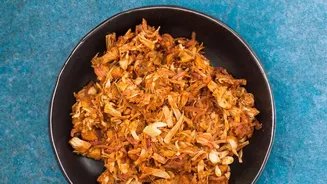
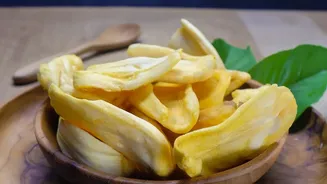
The primary reason kathal is celebrated as a 'vegetable meat' is its remarkable texture. When unripe, the fruit's flesh is dense and fibrous. As it cooks, it softens and can be easily shredded with a fork, closely mimicking the consistency of pulled pork
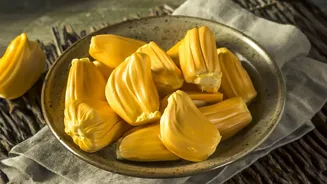
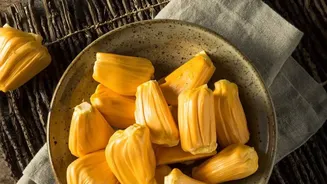
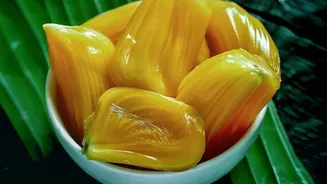
or shredded chicken. This stringy, satisfying mouthfeel is something many other vegetables can't replicate, making kathal a convincing stand-in for meat in a variety of dishes, from curries to tacos. Unlike ripe jackfruit, which is sweet and soft, young green jackfruit provides the perfect structural base for savoury preparations.
A Master of Disguise
Another key advantage of unripe kathal is its neutral flavour. While ripe jackfruit has a distinct, sweet taste often compared to a mix of pineapple and mango, young jackfruit is quite mild. This makes it a perfect canvas for flavour. Like tofu, it readily absorbs the spices, marinades, and sauces it's cooked in. Whether you're using a smoky barbecue sauce or a complex blend of Indian masalas, the kathal soaks up every nuance, allowing it to seamlessly integrate into dishes where meat would traditionally be the star.
A Look at the Nutrition
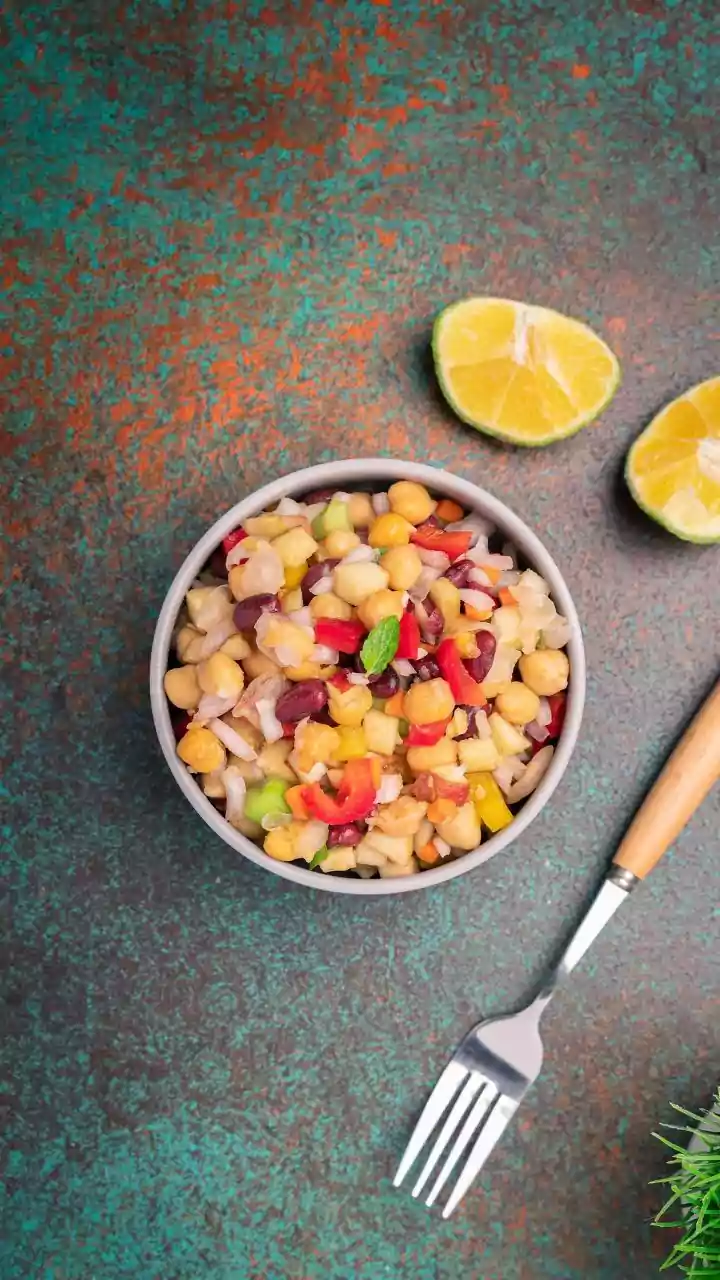
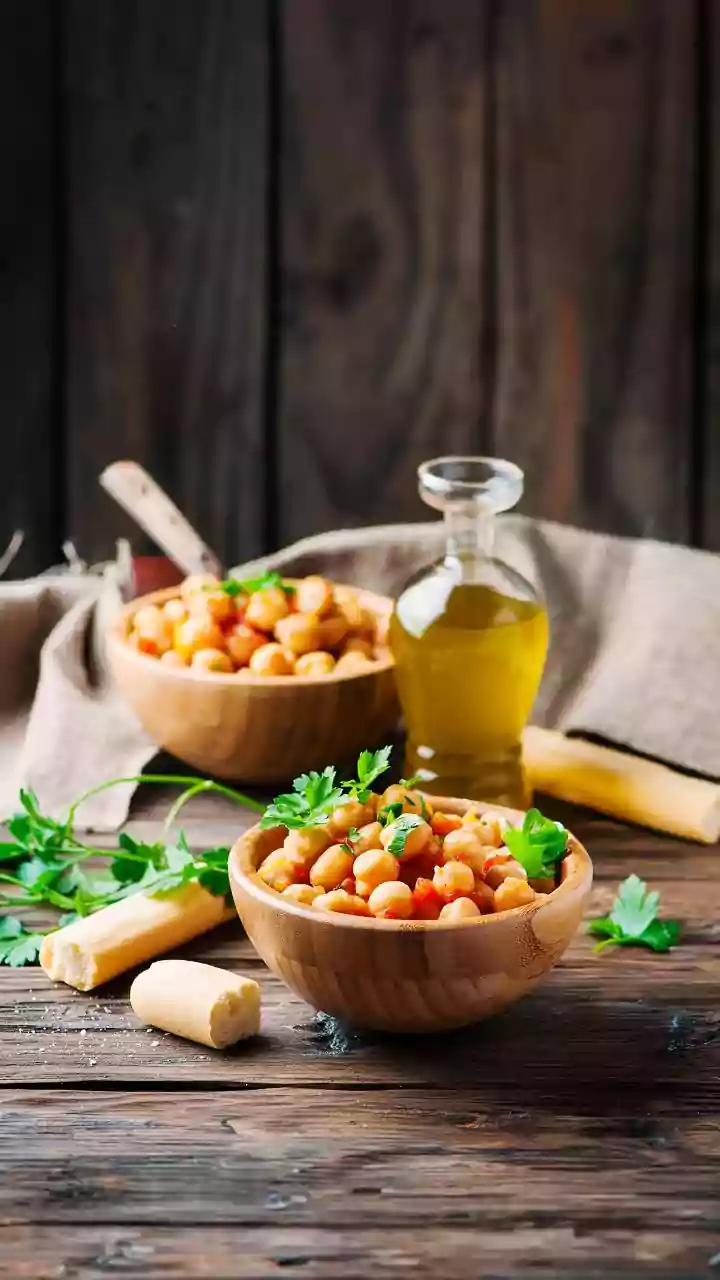
While kathal wins on texture, it's important to understand its nutritional profile. It is low in calories and fat, and a good source of dietary fibre, vitamin C, and potassium. However, it is not a high-protein food like meat. A 100-gram serving of jackfruit contains about 1.7 to 2.8 grams of protein, significantly less than what you would find in an equivalent portion of chicken or lentils. So, if you're using kathal as a primary meat replacement, it’s a good idea to pair it with other protein-rich foods like beans, chickpeas, or paneer to ensure a balanced meal.
An Old Staple, A New Trend
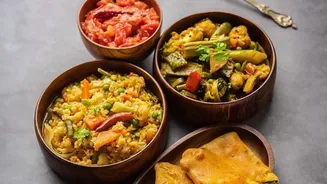
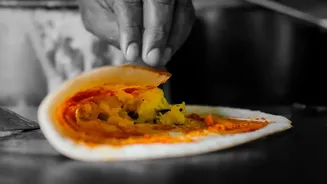
Long before it became a global vegan trend, kathal was a beloved ingredient in Indian kitchens for centuries. Known by various names like 'Phanasa' in Marathi or 'Chakka' in Malayali, it has been used to make everything from hearty curries and biryanis to pickles and kebabs. Its ability to provide a 'meaty' satisfaction has made it a festive and special occasion vegetable in many households across the country. This long history speaks to its incredible versatility and enduring appeal.
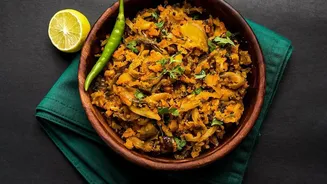
Parsi-Style Kathal Nu Shaak
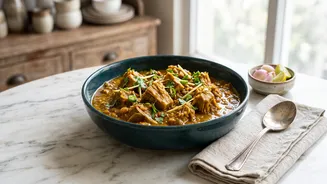
One delicious way to enjoy this ingredient is through a Parsi-style preparation, which often features a sweet, sour, and mildly spicy flavour profile. While there isn't one single standardised recipe, the Parsi approach typically involves cooking the kathal until tender in a flavourful gravy. This version is inspired by those traditional techniques.
Ingredients
For this recipe, you will need: 500g raw jackfruit (kathal), cleaned and cubed; 2 tablespoons of oil; 1 large onion, finely chopped; 1 tablespoon ginger-garlic paste; 2 large tomatoes, pureed; 1/2 teaspoon turmeric powder; 1 teaspoon red chilli powder; 1 teaspoon coriander powder; 1/2 teaspoon cumin powder; 1/2 teaspoon garam masala; 1 tablespoon jaggery (or to taste); 1 tablespoon vinegar or tamarind paste; salt to taste; and fresh coriander for garnish.
Method
First, prepare the kathal. If using fresh, oil your hands and knife to prevent sticking. Boil the kathal pieces in salted water with a pinch of turmeric until about 90% cooked but still firm. This can take 15-25 minutes. Drain and set aside. In a pan, heat the oil and sauté the onions until golden brown. Add the ginger-garlic paste and cook for a minute until fragrant. Stir in the turmeric, chilli powder, coriander powder, and cumin powder, cooking for another 30 seconds. Pour in the tomato puree and cook until the oil starts to separate from the masala. Add the boiled kathal pieces, jaggery, vinegar or tamarind, and salt. Mix well to coat the kathal in the masala. Add about a cup of water, bring to a simmer, then cover and cook on low heat for 10-15 minutes, allowing the kathal to absorb the flavours. Finish with a sprinkle of garam masala, garnish with fresh coriander, and serve hot.