





Find Your Sacred Corner
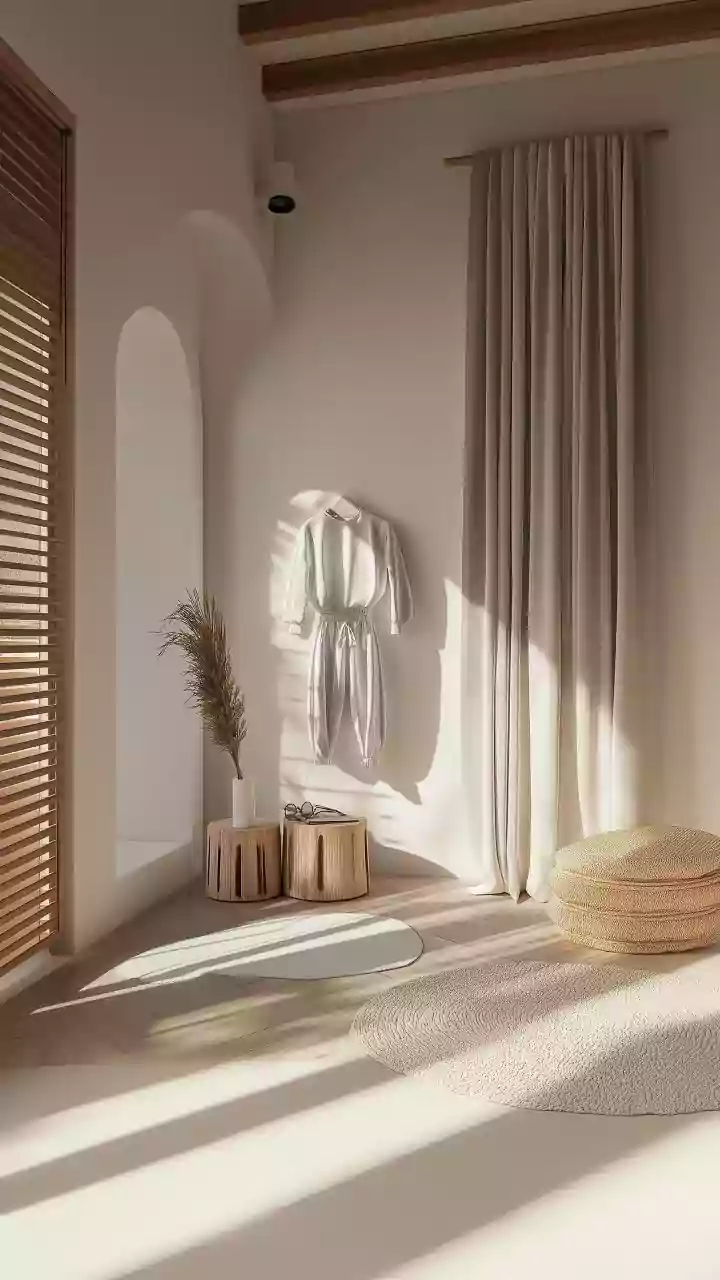
You don't need an entire room to create a yoga space. The first step is to identify a small, dedicated area in your home. This could be a quiet corner of your bedroom, a small nook in the living room near a window, or any spot where you feel you can practice
with minimal distractions. The key is consistency. By returning to the same spot, you train your mind to associate that area with calm and focus. A space with natural light is ideal, but not essential. The only requirement is that it is large enough for you to unroll a mat and move freely without bumping into furniture.
Declutter for a Clear Mind
A cluttered space often leads to a cluttered mind. Before you begin, take a few minutes to clear the area of any unnecessary items. This simple act of tidying can be a powerful ritual in itself, signalling a transition from the chaos of the day to a time of mindful practice. Your yoga space should be a visual breath of fresh air. Keep only the essentials nearby. This isn't about achieving a picture-perfect room, but about creating an environment that feels simple, open, and free from the distractions of your daily to-do list.
The Foundation: Your Mat (or Not)
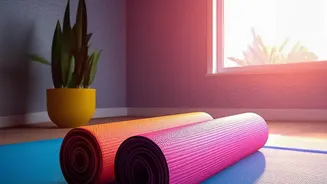
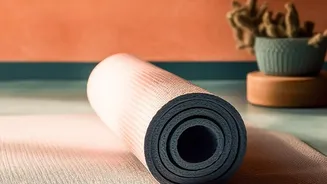
While a yoga mat is designed for grip and cushioning, its absence shouldn't stop you. A carpeted floor or a traditional 'dhurrie' or rug can work wonderfully. If you're on a harder surface like wood or tile, a folded blanket or a thick towel can provide the necessary padding for your knees and spine. The goal is to have a stable, comfortable surface that defines your practice area. Remember, your yoga space is wherever you lay your foundation.
Everyday Props, Elevated
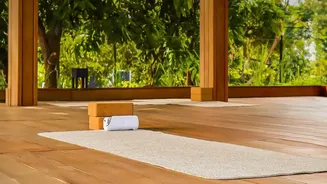
Professional yoga props are helpful but not essential. Your home is already full of items that can provide the support you need. A stack of thick books, like dictionaries or textbooks, can easily substitute for yoga blocks to 'bring the floor closer' in standing poses or provide lift in seated postures. A bathrobe belt, a long scarf, or even a dupatta makes for an excellent yoga strap, helping you deepen stretches without straining. For a bolster to support your back in restorative poses, tightly roll up a few firm blankets or towels. Couch cushions and throw pillows are also perfect for tucking under your knees or hips for added comfort and support.
Engage Your Senses for Serenity
Atmosphere is crucial for creating a sanctuary. Think about engaging all your senses to promote relaxation. For lighting, opt for soft, warm light over harsh, bright overheads. A simple lamp or even natural candlelight can create a calming glow. If you enjoy scents, a stick of incense or a few drops of essential oil like lavender or sandalwood in a diffuser can help quiet the mind. For sound, you can choose complete silence or play a soft, instrumental playlist. The goal is to create sensory cues that tell your mind it’s time to unwind.
Make It Personally Inspiring
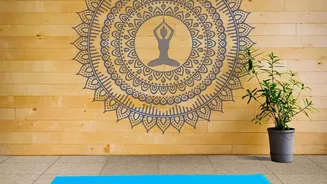
Your yoga space is deeply personal. Add one or two small items that bring you a sense of peace or inspiration. This could be a small plant, a framed picture, a meaningful quote, or a small statue or object that holds significance for you. These items are not just decoration; they serve as focal points and reminders of your intention for practicing. This personal touch is what transforms a simple corner into a true sanctuary that feels uniquely yours.