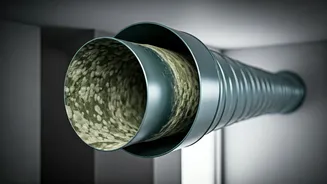









The Unseen Problem: Humidity Overload
When the rains arrive, the air becomes saturated with moisture. In many Indian cities, humidity levels can surge past 80-90%. While we shut our windows to keep the rain out, we inadvertently trap this moisture inside. This creates a stuffy, uncomfortable
environment where the air feels heavy and clothes never seem to fully dry. But beyond simple discomfort, this excessive indoor humidity sets the stage for a host of problems that can affect both your health and your home itself. Stagnant, moist air is the perfect breeding ground for mould, mildew, and dust mites, all of which can have significant consequences.
Health and Home at Risk
Poor ventilation during the monsoon isn't just about a musty smell. It's a genuine health concern. Trapped moisture and the resulting mould growth can trigger allergies, asthma, and other respiratory problems. Fungal spores released into the air can cause everything from sneezing and coughing to more serious infections, especially for children and the elderly. Beyond health, the dampness can wreak havoc on your home. It can cause wooden furniture to swell and warp, paint to peel, and create stubborn mildew patches on walls, clothes, and upholstery.
Embrace Cross-Ventilation Strategically
One of the most powerful and cost-effective tools in your arsenal is cross-ventilation. This simply means opening windows or doors on opposite sides of a room to create a natural airflow that pushes stale, humid air out and pulls fresher air in. It might seem counterintuitive to open windows during the monsoon, but timing is everything. Seize those moments when the rain subsides, even for a short while, to let your home breathe. Early mornings or brief dry spells are perfect opportunities to flush out the dampness that has built up overnight. Even cracking a window can make a difference.
Let Exhaust Fans Do the Heavy Lifting
Your kitchen and bathroom are major sources of indoor humidity from cooking steam and hot showers. Make it a non-negotiable rule to run the exhaust fan every time you cook or bathe. Let it run for a few minutes afterwards to ensure all the moisture is vented outside instead of spreading through your home. This simple habit is crucial for preventing mould growth in these high-moisture zones. If you don't have an exhaust fan, opening a nearby window while cooking or bathing can also help dissipate the moisture.
Clear the Path for Airflow
Air needs a clear path to circulate effectively. Take a look around your rooms. Are bulky pieces of furniture pushed right up against the walls? Are heavy curtains blocking the windows? These common decorating habits can create stagnant air pockets where moisture and mould love to thrive. During the monsoon, try to keep furniture a few inches away from the walls. Keep interior doors open to encourage air movement between rooms and use ceiling fans to keep the air from becoming static.
Consider Your Support System
For homes that struggle with persistent dampness, mechanical help might be needed. A dehumidifier is an excellent investment for the rainy season, as its sole job is to pull excess moisture from the air. Aim to keep your indoor humidity between 30% and 50% for optimal comfort and to inhibit mould growth. You can also use moisture absorbers like silica gel packs or charcoal bags in enclosed spaces like wardrobes and cabinets to protect your clothes and linens from developing that dreaded musty odour.