







The Visa-Free Announcement Explained
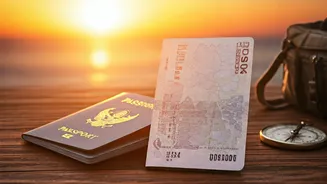
On the eve of December 1, 2023, Malaysia officially implemented a significant policy change benefiting Indian citizens. Prime Minister Anwar Ibrahim announced that Indians, along with Chinese nationals, would be granted visa-free entry into the country
for stays of up to 30 days. This new rule is effective until December 31, 2024. The move is a strategic effort to boost tourism and strengthen economic ties, particularly as Malaysia aims to attract more visitors and celebrate 50 years of diplomatic relations with China. For Indian travellers, this removes a key barrier of cost and paperwork, making a spontaneous trip to see the Petronas Towers or explore the beaches of Langkawi suddenly much easier.
An Immediate Surge in Travel Demand
The news spread like wildfire across social media and travel groups. The immediate effect was a massive, near-instantaneous spike in interest. Major Indian travel platforms reported staggering numbers. EaseMyTrip, for instance, noted a nearly 15% jump in bookings for Malaysia just over the first weekend of the announcement. Similarly, ixigo reported that flight searches for Malaysia from India skyrocketed by 45% in a single day. This wasn't just idle browsing; it was a clear signal of intent from thousands of travellers looking to capitalise on the new policy, especially with the holiday season approaching. The dream of a quick weekend trip turned into a digital race to secure seats.
Why Flight Prices Suddenly Spiked
For many hopeful tourists, the excitement quickly turned to frustration as they witnessed flight prices climbing in real-time. This is a classic case of dynamic pricing in the airline industry. Airlines use complex algorithms that adjust fares based on supply and demand. The supply of seats on flights to Kuala Lumpur and other Malaysian cities was relatively fixed for the immediate future. When demand exploded overnight due to the visa news, the system automatically pushed prices up. A round-trip ticket that might have cost ₹20,000 one day could easily jump to ₹35,000 or more the next, especially for weekend departures. This left many caught in a bind: the visa was free, but the flight was suddenly a premium expense.
A Broader Trend in Regional Tourism
Malaysia's decision isn't happening in a vacuum. It's part of a larger, competitive trend across Southeast Asia to woo the massive Indian outbound tourism market. Neighbouring Thailand had previously announced its own visa-exemption scheme for Indian tourists, which was met with similar enthusiasm. Sri Lanka and Vietnam have also made similar moves to simplify entry for Indians. By dropping the visa requirement, Malaysia is not just making travel easier; it is actively competing for India's growing middle class of travellers. This friendly rivalry between nations is ultimately a win for Indian passport holders, giving them more powerful and affordable travel options across the region.
Planning Your Malaysian Trip Now
If you're still keen on a Malaysian holiday, don't be discouraged by the initial price surge. The key is to be strategic. The initial frenzy was driven by those seeking immediate, last-minute trips. For smarter savings, consider the following: be flexible with your travel dates. Flying mid-week is almost always cheaper than on Fridays or weekends. Use flight comparison tools to set price alerts for your desired route. Most importantly, plan ahead. The visa-free policy is in place for a whole year. Booking your travel for a few weeks or months in advance will allow the initial demand to cool off and prices to stabilise, giving you the benefit of visa-free travel without the cost of a last-minute flight run.