
Start with the Right Rice
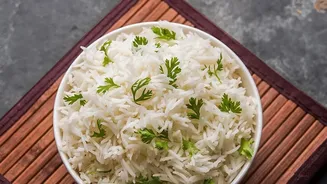
The foundation of a great pulao is unquestionably the rice. Opt for aged, long-grain basmati rice. The term 'aged' isn't just a marketing gimmick; older rice has a lower moisture content, which helps it cook up into long, distinct grains that don't clump
together. Before you even think about cooking, rinse the rice under cold water several times until the water runs clear. This crucial step removes excess surface starch, which is the primary culprit behind sticky or mushy pulao. After rinsing, soak the rice in fresh water for at least 20 to 30 minutes. Soaking allows the grains to hydrate evenly, ensuring they cook through without breaking and resulting in that coveted fluffy texture.
Master the Water Ratio
One of the most common pitfalls in making pulao is an incorrect rice-to-water ratio, leading to either undercooked or overly soft rice. While ratios can vary slightly based on the age of the rice and the cooking vessel, a reliable starting point for soaked basmati rice is a 1:1.5 or 1:1.75 ratio of rice to water. Some cooks even prefer a 1:2 ratio. It's important to account for the moisture released by the vegetables. When you add salt to the water, it should taste slightly saltier than you'd prefer, as the rice and vegetables will absorb the seasoning as they cook, balancing the final flavour.
Bloom the Whole Spices
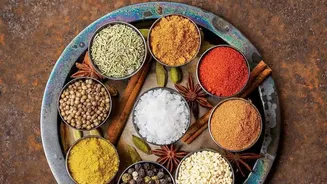
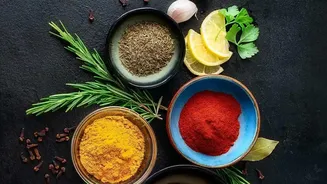
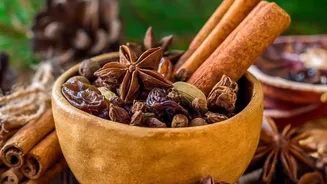
The incredible aroma of a good pulao comes from blooming whole spices in fat, a process known as 'tadka' or tempering. Heat ghee or oil in a heavy-bottomed pot and add whole spices like cumin seeds, bay leaves, cinnamon sticks, cloves, and green cardamom pods. Sautéing them over medium heat for a minute or so until they become fragrant releases their essential oils. This step is non-negotiable for achieving that authentic, restaurant-style depth of flavour. Using fresh, good-quality whole spices makes a significant difference. Some recipes also recommend adding star anise and black cardamom for a more complex aroma.
Layer Flavours with Aromatics and Veggies
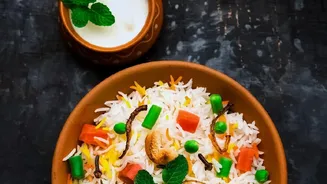
Once the spices are fragrant, add thinly sliced onions and sauté them until they are soft and translucent, but not necessarily browned. Next, stir in ginger-garlic paste and cook for a minute until the raw smell disappears. Now it's time for the vegetables. Hardy vegetables like potatoes and carrots should go in first, followed by quicker-cooking ones like beans and peas. Sautéing the vegetables for a few minutes before adding the rice helps them develop flavour and retain a slight crunch. You can use a variety of vegetables like cauliflower, bell peppers, or corn.
The Art of Gentle Cooking
After the vegetables have been sautéed, drain the soaked rice completely and add it to the pot. Stir very gently for a minute to coat the grains in the spiced oil without breaking them. Pour in your measured water (and some recipes suggest a splash of coconut milk for richness), bring the mixture to a rolling boil, and then immediately reduce the heat to the lowest possible setting. Cover the pot with a tight-fitting lid and let it simmer. Crucially, do not stir the pulao while it is cooking, as this can break the delicate rice grains and make the final dish mushy.
Resting is Not Optional
Patience is a virtue, especially when making pulao. Once the rice has cooked for about 15-20 minutes and all the water is absorbed, turn off the heat but do not lift the lid. Let the pulao rest, covered, for at least 10 minutes. This resting period, often called 'dum', is essential. It allows the residual steam to finish cooking the rice evenly, firms up the grains, and lets all the complex flavours meld together beautifully. Skipping this step is often the difference between a good pulao and a great one.
Fluff and Garnish
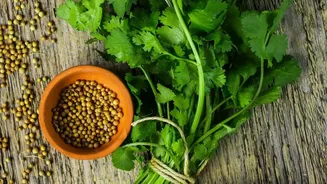
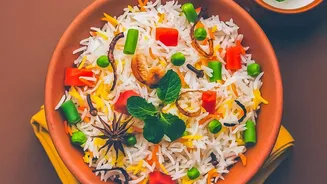
After the resting period, open the lid and gently fluff the rice with a fork, not a spoon, to separate the grains. This ensures the pulao is light and airy. For a final touch of richness and texture, garnish your vegetable pulao before serving. Freshly chopped coriander or mint leaves add a burst of freshness. Fried onions or fried cashews can provide a delightful crunch. Serve it hot on its own or with a side of cooling raita, papad, and pickle for a complete and satisfying meal.