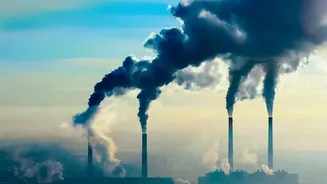





For many, an outdoor workout is a vital part of a healthy routine. But in cities across India, exercising outside often means a trade-off with air pollution. The good news is you don't always have to choose between fitness and safety.
The Double-Edged Sword of Outdoor Exercise
Physical activity
is a cornerstone of good health, improving everything from cardiovascular function to mental well-being. However, when you exercise in polluted air, the very act of breathing harder can turn against you. During a workout, your breathing rate and volume increase dramatically. You also tend to switch from breathing through your nose—which naturally filters some particles—to breathing through your mouth. This combination allows a greater volume of harmful pollutants like PM2.5 (fine particulate matter) to bypass your body’s natural defences and travel deep into your lungs, and even enter your bloodstream. Exposure to these pollutants, especially during exercise, is linked to airway inflammation, reduced lung function, increased risk of asthma, and added strain on the cardiovascular system. In areas with high pollution, the risks can sometimes outweigh the fitness benefits.
Breathing By the Numbers: Intensity and Inhalation
The core of the issue lies in just how much more air you breathe when you exercise. At rest, a typical adult might inhale around 6 to 12 litres of air per minute. During a high-intensity activity like sprinting or a HIIT session, that volume can skyrocket to over 100 or even 150 litres per minute. That means you could be inhaling more than ten times the amount of pollutants compared to when you are sedentary. This dose-response relationship is critical: the harder you work, the more polluted air you draw into your system. A recent test showed a cyclist inhaling six times as much air at peak exertion compared to her resting state. It is this massive increase in ventilation that makes high-intensity exercise particularly risky on days when the air quality is poor.
Slowing Down to Stay Safer
This is where pacing becomes your most powerful tool. By consciously lowering the intensity of your workout, you can directly reduce your inhalation volume and, therefore, your exposure to pollutants. Opting for a steady-state jog or a brisk walk instead of an all-out run can significantly cut down the litres of air you breathe per minute. For example, on a day with an Air Quality Index (AQI) in the 'Moderate' or 'Poor' range, a low-intensity workout is a much safer bet. Consider focusing on duration rather than speed. This strategy allows you to maintain cardiovascular activity without overwhelming your respiratory system with pollutants. Some experts even suggest limiting outdoor activity to an intensity that you can maintain while breathing only through your nose, which enhances particle filtration.
A Smarter Workout Strategy
Adapting your pace is just one part of a comprehensive strategy for exercising safely in polluted environments. Before you even step outside, check the local AQI. In India, it's crucial to use the National AQI (NAQI) scale, as the levels can differ from international apps. Many experts advise against outdoor exercise when the AQI is 'Very Poor' or 'Severe'. Other practical steps include:
- Timing your workouts: Air quality often changes throughout the day. In many Indian cities, pollution can be high in the early morning, so a mid_day or afternoon session might be better, though this can vary.
- Choosing your location wisely: Exercise in parks or green spaces away from heavy traffic. Just moving a block or two away from a busy road can significantly reduce your exposure to vehicle emissions.
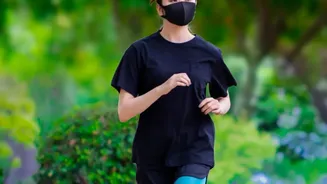
- Considering a mask: A well_fitted N95 or N99 mask can filter out fine particulate matter, though it won't protect you from gases and can make breathing more difficult during intense exercise.
- Knowing when to stay inside: On days with the worst air quality, the safest option is to move your workout indoors. Activities like yoga, resistance training, or running on a treadmill are excellent alternatives.