





The End of an Era: Visa-Free Travel Halts
The biggest recent change for Indian tourists is the end of the temporary visa-free entry scheme that was in place until mid-2026. In May 2026, the Thai Cabinet revised its immigration policies, moving India back to the Visa on Arrival (VoA) category.
This shift is part of a broader move by Thai authorities to increase scrutiny, citing reasons like security and managing overstays. As a result, the Indian Embassy in Bangkok issued a detailed advisory in early July 2026, urging travellers to be meticulously prepared. Spontaneous trips are still possible, but they now require significantly more paperwork.
Your Essential Airport Checklist
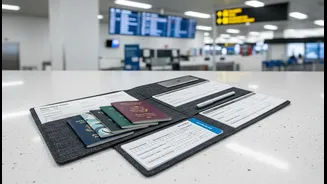
To avoid being delayed or, in worst-case scenarios, denied entry, having a complete and organised document folder is no longer optional. Immigration officials can request any of these documents, so have both digital and physical copies ready. The Embassy of India has outlined a clear checklist to follow.
Core Travel Documents
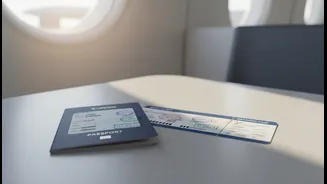
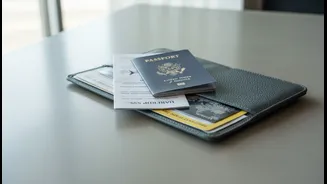
These are the absolute non-negotiables. First, your passport must be valid for at least six months from your date of arrival in Thailand. Second, you need a confirmed return or onward flight ticket with a departure date that falls within your permitted stay (15 days for a VoA). Open-ended tickets are a common reason for entry refusal. Finally, have proof of accommodation for your entire stay, such as confirmed hotel bookings. If you are staying with friends or family, a formal invitation letter along with a copy of their ID or work permit is required.
The Digital Arrival Card (TDAC)
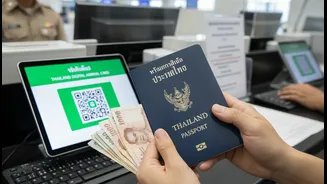
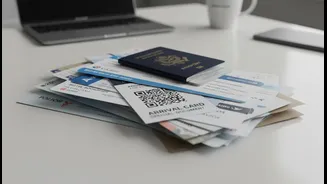
The paper-based TM6 arrival card is a thing of the past. All foreign travellers must now complete the Thailand Digital Arrival Card (TDAC) online. This must be done within 72 hours before your flight. Once you submit the free form on the official immigration website, you will receive a QR code. Save this code to your phone and carry a printed copy as a backup, as airlines may ask for it at check-in.
Proof of Funds: The Cash Requirement
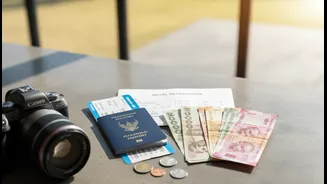
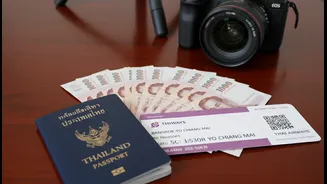
This is a critical point of focus for Thai immigration. Travellers entering on a Visa on Arrival or visa waiver must be prepared to show proof of sufficient funds. The specified amount is at least 20,000 Thai Baht per person or 40,000 Baht per family. Crucially, immigration officers may specifically ask to see this in cash. While you can carry the equivalent amount in other major currencies like US Dollars or Euros, relying solely on a credit card or a bank statement on your phone might not be accepted. These checks are random but can lead to entry denial if you fail to comply.
Getting Your Visa on Arrival (VoA)
Since visa-free entry has ended, most Indian tourists will use the Visa on Arrival facility for stays up to 15 days. At the airport's VoA counter, you will need your passport, a completed application form, one recent passport-sized photograph, and the visa fee of 2,000 Baht, which must be paid in Thai Baht cash. Having all your other documents—return tickets, hotel bookings, and proof of funds—ready will make this process smoother. For longer stays, you must apply for a 60-day tourist e-Visa online before your trip.
A Note on Your Itinerary
While you don't need a minute-by-minute schedule, having a clear travel itinerary is now officially recommended. This helps demonstrate to immigration officials that you are a genuine tourist. It can be a simple printout listing the cities you plan to visit and the main activities you have planned. This, combined with your confirmed hotel bookings and return ticket, paints a clear picture of your travel intent. Also, remember that entering on a tourist visa for employment purposes is illegal and can lead to serious consequences.