
The Classic Kiwi Complication
Traditionally, growing kiwifruit has been a project reserved for those with ample garden space. This is because most kiwi plants are dioecious, a term meaning that male and female flowers grow on separate plants. To get fruit, you need at least one of
each, and they must be compatible and flower at the same time. The female vine produces the fruit, but only after being pollinated by a nearby male vine. For anyone with a small backyard, patio, or balcony, dedicating precious space to two vigorous, climbing vines—one of which will never even bear fruit—is often an impossible ask. This requirement has long been the primary barrier for home gardeners in compact living situations.
The Single-Vine Solution
This is where self-fertile kiwi varieties change the game. These remarkable plants have flowers that can pollinate themselves, meaning you only need one vine to produce fruit. Botanically, this is sometimes due to a trait called parthenocarpy, where the plant can develop fruit without fertilization. For the home gardener, the outcome is the same: no need for a separate male pollinator. This breakthrough makes growing kiwis a viable and exciting project for small homes, containers, and patios. Suddenly, the dream of homegrown kiwifruit is accessible to a whole new world of gardeners who were previously limited by space.
Top Varieties for Solo Growing
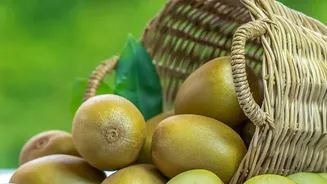
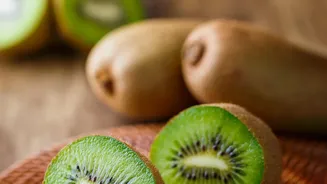
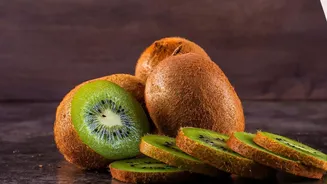
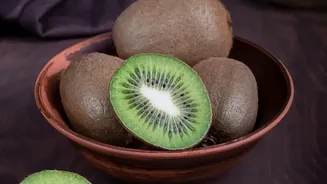
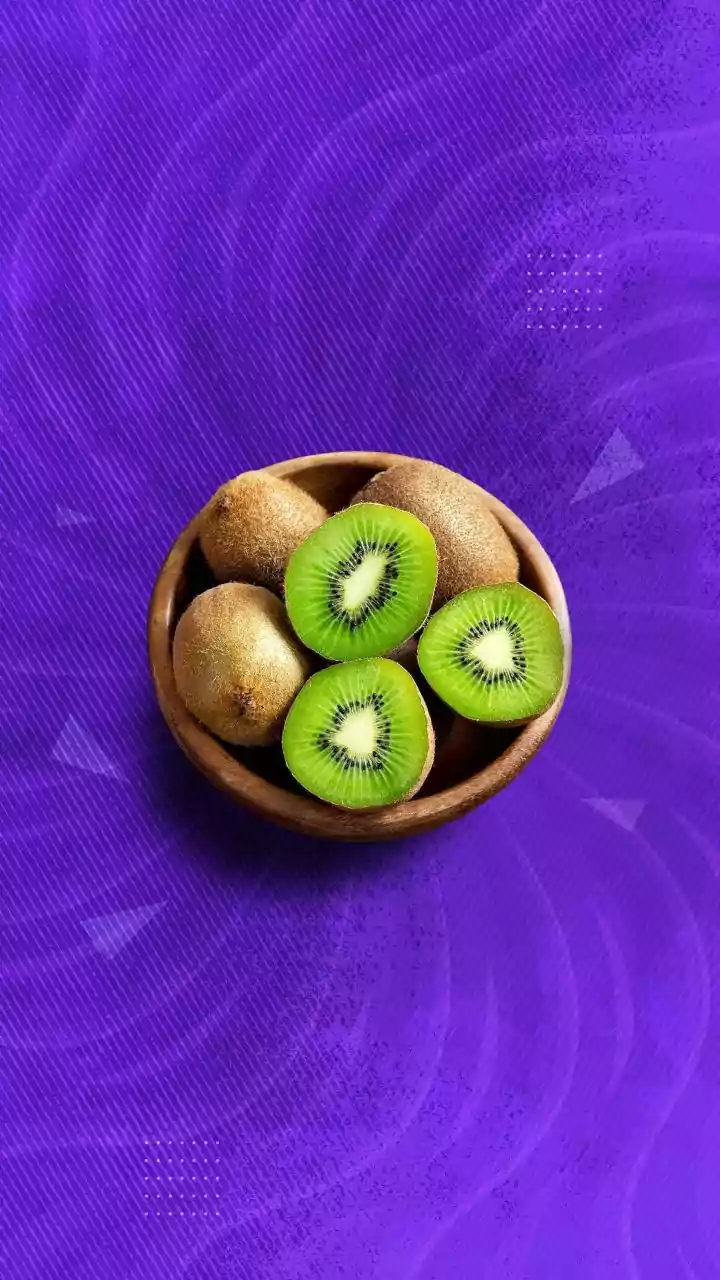
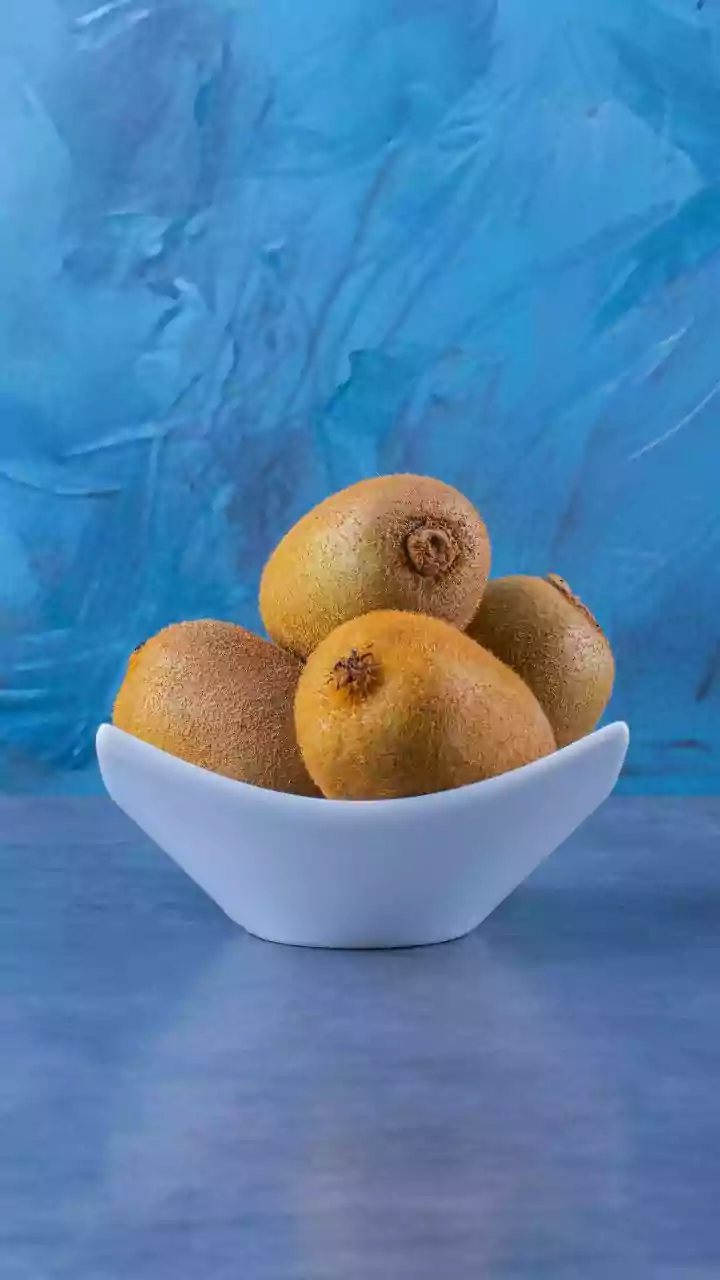
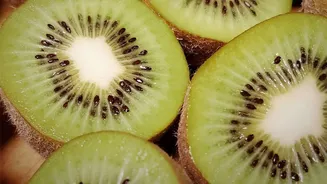
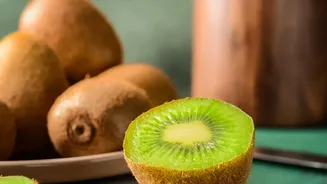
When choosing a self-fertile kiwi, two names consistently come up. The first is 'Jenny' (Actinidia deliciosa), which produces the fuzzy, brown-skinned fruit most of us recognize from the supermarket. 'Jenny' is a vigorous climber that, with proper care, can yield a satisfying crop from a single plant. The second popular choice is 'Issai' (Actinidia arguta), a type of hardy kiwi or 'kiwi berry'. 'Issai' vines produce smaller, grape-sized fruits with smooth, edible skin—no peeling required. This variety is also known for being slightly less vigorous and more compact, making it an excellent candidate for container growing.
Your Container Growing Guide
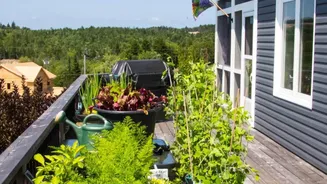
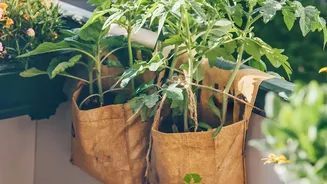
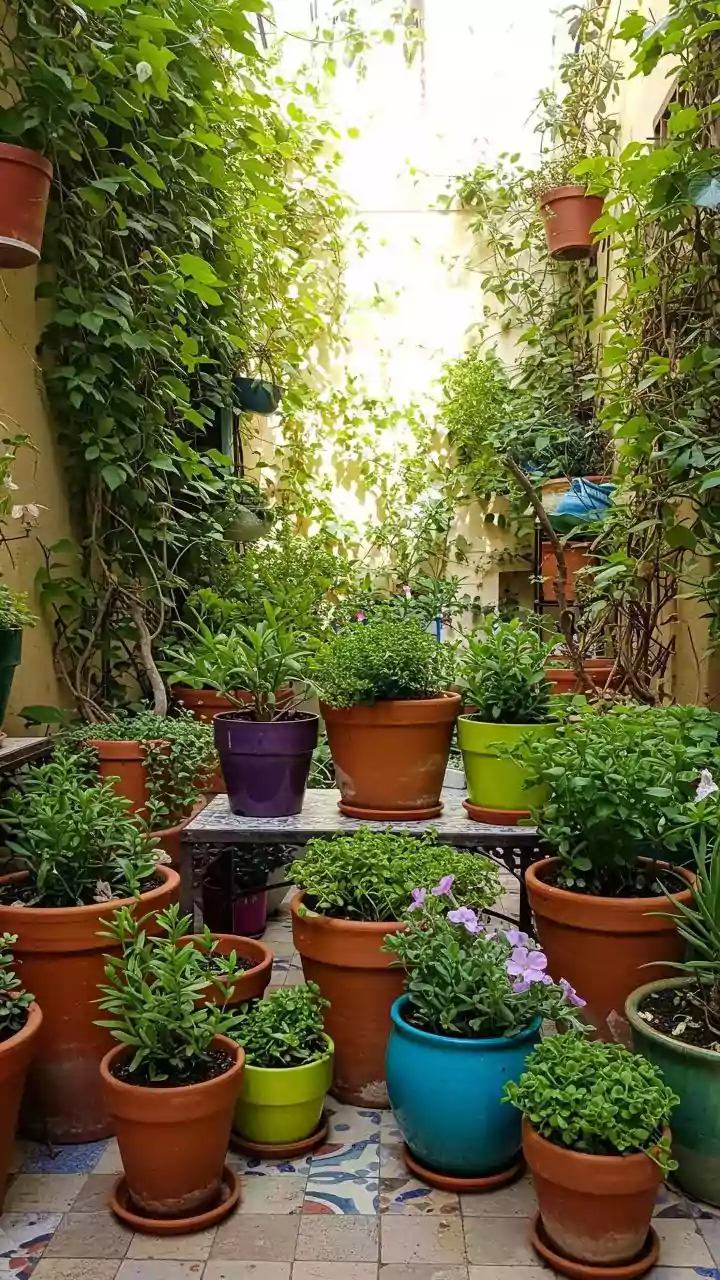
To successfully grow a kiwi vine in a small space, start with a large container. A pot with a diameter of at least 45-60 cm (18-24 inches) is a good starting point to give the root system room to grow. Excellent drainage is non-negotiable, so ensure the pot has plenty of holes. Use a high-quality potting mix, avoiding dense garden soil which compacts easily. A mix of compost with grit or perlite for drainage is ideal. Kiwi vines are natural climbers and need a strong support structure from day one. Install a sturdy trellis, obelisk, or train the vine up a sunny, sheltered wall. This support is crucial for air circulation and ensuring sunlight reaches the leaves and ripening fruit.
Care, Patience, and Harvest
Position your potted kiwi in the sunniest spot you can find; at least six hours of direct sunlight is recommended. Keep the soil consistently moist but not waterlogged, as container plants can dry out quickly. Feed the vine in the spring with a balanced fertiliser and switch to a high-potash feed (like one for tomatoes) in the summer to encourage flowering and fruiting. The biggest requirement for new kiwi growers is patience. A new vine will typically take anywhere from two to five years to produce its first significant harvest. But the reward for this patience is the unmatched flavour of a kiwi picked fresh from your very own plant, a prize made possible by choosing the right, self-sufficient variety from the start.