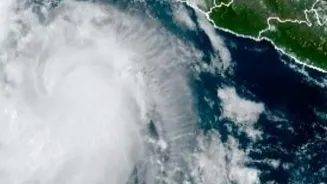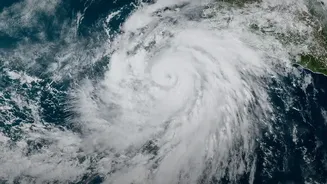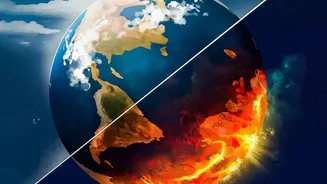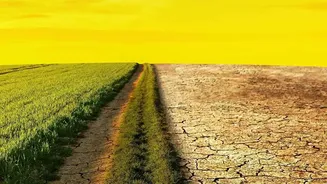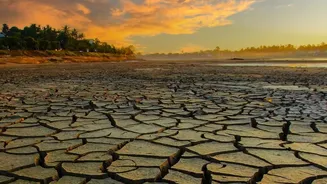

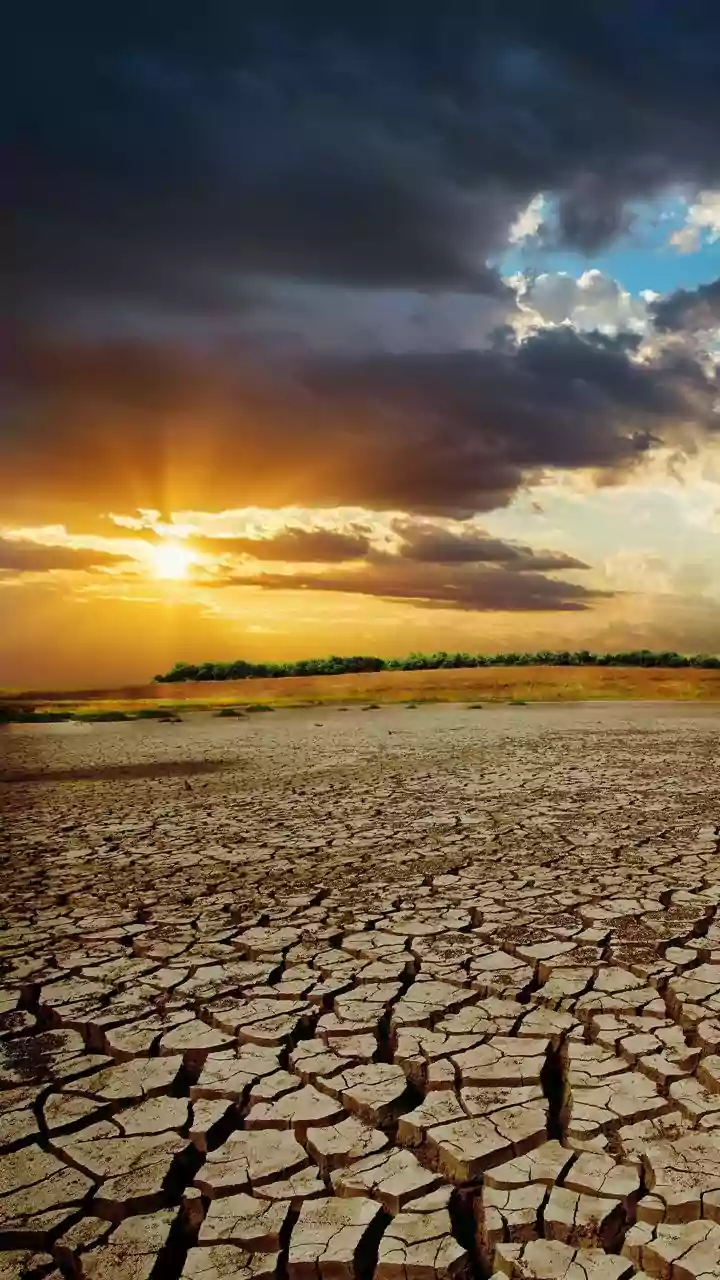

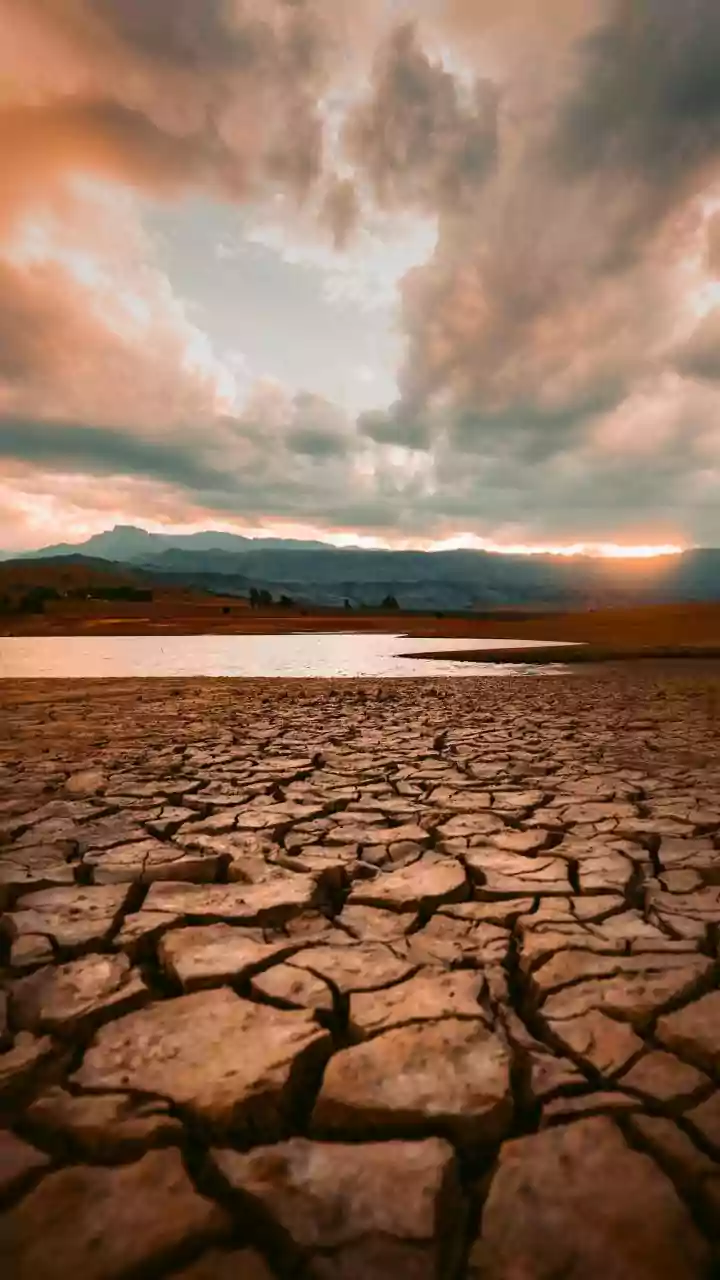
A powerful El Niño is strengthening in the Pacific Ocean, and scientists are warning it could bring a wave of unusual weather. For India, this isn't just a climate story—it's a major public health concern with direct impacts on our well-being.
What Exactly Is El Niño?
El Niño
is a naturally occurring climate pattern, but its effects are anything but ordinary. It begins with the unusual warming of surface waters in the central and eastern equatorial Pacific Ocean. This change in ocean temperature, which happens every two to seven years, is powerful enough to alter large-scale atmospheric circulation. The result is a domino effect that shifts temperature and rainfall patterns across the globe, including in India. This isn't a new phenomenon, but the current El Niño is tracking to be exceptionally strong, potentially rivalling the historic events of 1997-98 and 2015-16. Scientists expect it to persist into early 2027, raising concerns about prolonged and more intense weather disruptions.
The Direct Link to Your Health
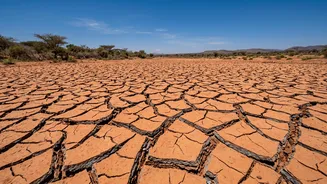
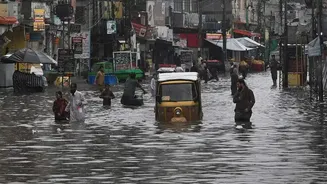
The World Health Organization (WHO) has classified the health impacts of the current El Niño as a Grade 3 emergency, its highest level. India has been identified as a country facing high public health risks. This is because extreme weather acts as a 'risk multiplier', making existing health challenges worse. The primary threats fall into several categories. First, prolonged heatwaves increase the danger of dehydration, heat exhaustion, and life-threatening heatstroke. Second, changes in rainfall can affect water safety. Droughts lead to water scarcity, while sudden, intense floods can contaminate drinking water sources, raising the risk of water-borne diseases like cholera, typhoid, and diarrhoeal infections. Third, shifting temperature and humidity create new breeding grounds for mosquitoes, potentially increasing the transmission of vector-borne diseases like dengue and malaria.
Heatstroke: A Major Concern
With hotter and more humid conditions expected, understanding the signs of heat-related illness is crucial. Heat exhaustion often comes first, with symptoms like dizziness, headache, excessive sweating, and nausea. If not treated by moving to a cool place and rehydrating, it can escalate to heatstroke. Heatstroke is a medical emergency where the body's temperature rises above 40°C. Warning signs include a high body temperature, hot but dry skin, rapid breathing, confusion, and potential loss of consciousness. This condition can cause serious damage to the brain, heart, and kidneys and requires immediate medical attention. The elderly, young children, and people with chronic conditions like heart disease or diabetes are especially vulnerable.
Protecting Yourself and Your Family
While the forecast may seem daunting, preparation is your best defence. To combat heat, stay hydrated by drinking plenty of water, wear light-coloured and loose-fitting clothing, and avoid strenuous activity during the hottest parts of the day, typically between 11 a.m. and 3 p.m. To prevent water-borne illnesses, ensure your drinking water is safe. If there's any doubt, especially after flooding, boil water before use. Always wash your hands thoroughly with soap, particularly before handling food. Avoid eating food that may have come into contact with floodwater. For vector-borne diseases, eliminate any stagnant water around your home where mosquitoes can breed. Using mosquito nets and repellents can also offer significant protection, especially in areas prone to standing water after rainfall.