






What Does ‘Eco-Conscious’ Mean in 2026?
The definition of sustainable fashion has expanded significantly. In 2026, it's about more than just using organic cotton. [2] Consumers and brands now consider the entire lifecycle of a garment. [22] This includes using natural, organic, or recycled
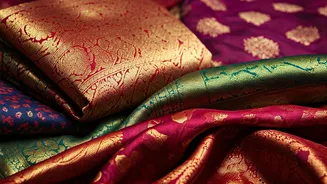
fabrics, ensuring ethical production with fair wages, designing for longevity rather than fast-passing trends, and minimizing waste in both production and packaging. [17] The conversation has shifted from vague terms like "eco-friendly" to demanding specific details about a garment's origins, the materials used, and its end-of-life plan. [16] In India, this often means a return to traditional, inherently sustainable materials like khadi, linen, and handloom silks, which were staples long before fast fashion emerged. [16]
The Conscious Consumer Takes Charge
The biggest driver of this shift is you: the consumer. A growing awareness of the fashion industry's environmental impact—it's responsible for 10% of annual global carbon emissions—has changed shopping habits. [8, 23] This is especially true for younger generations. Millennials and Gen Z are leading the charge, prioritizing brands that align with their values of sustainability and ethical production. [3, 11] Reports from 2026 show that a significant majority of Gen Z consumers consider sustainability when making purchases and are even willing to pay more for products from ethical companies. [3] This demographic is pushing for transparency, asking questions about who made their clothes and under what conditions. [16, 17]
How Brands Are Getting Onboard
Fashion brands, from global giants to homegrown Indian labels, are responding to this demand. The global sustainable fashion market was valued at over $10 billion in 2026 and is projected to grow significantly. [7] Major international brands have launched dedicated sustainable collections and set ambitious goals, such as using 100% sustainable fabrics. [6, 8] In India, a diverse ecosystem of sustainable brands has matured. [16] Labels like Doodlage are known for upcycling factory waste into unique pieces, while others like No Nasties were pioneers in using 100% organic and fair-trade materials. [9, 17] Even premium designers like Anita Dongre are championing traditional crafts and ensuring fair wages for artisans, proving that style and sustainability can go hand-in-hand. [16]
Innovation in Our Wardrobes
Technology and material science are playing a crucial role. We're seeing a surge in innovative textiles that reduce the industry's environmental footprint. [13, 15] These include fabrics made from recycled materials like plastic bottles, which consume less energy and water than producing virgin polyester. [2, 4] Beyond recycling, new bio-fabrics are emerging, created from surprising sources like algae, banana fibres, and mycelium (the root system of fungi), which can be grown into a leather-like material. [4, 5, 13] Waterless dyeing techniques and 3D printing are also helping to reduce pollution and waste in the manufacturing process. [5, 15]
The Hurdles of Going Green
Despite the progress, challenges remain. The primary barrier is often cost, as sustainable materials and ethical production can be more expensive. [19, 25] This leads to another significant problem: greenwashing. This is when brands make misleading claims about their environmental credentials to attract conscious consumers without making substantial changes to their practices. [22] Vague marketing, a lack of transparency in complex supply chains, and self-awarded "certifications" can make it difficult for shoppers to distinguish genuine efforts from empty promises. [23, 24] As a shopper, the key is to look for specific details and third-party certifications rather than just accepting broad "eco-friendly" labels. [12]