
The Unbeatable Economics of Two Wheels
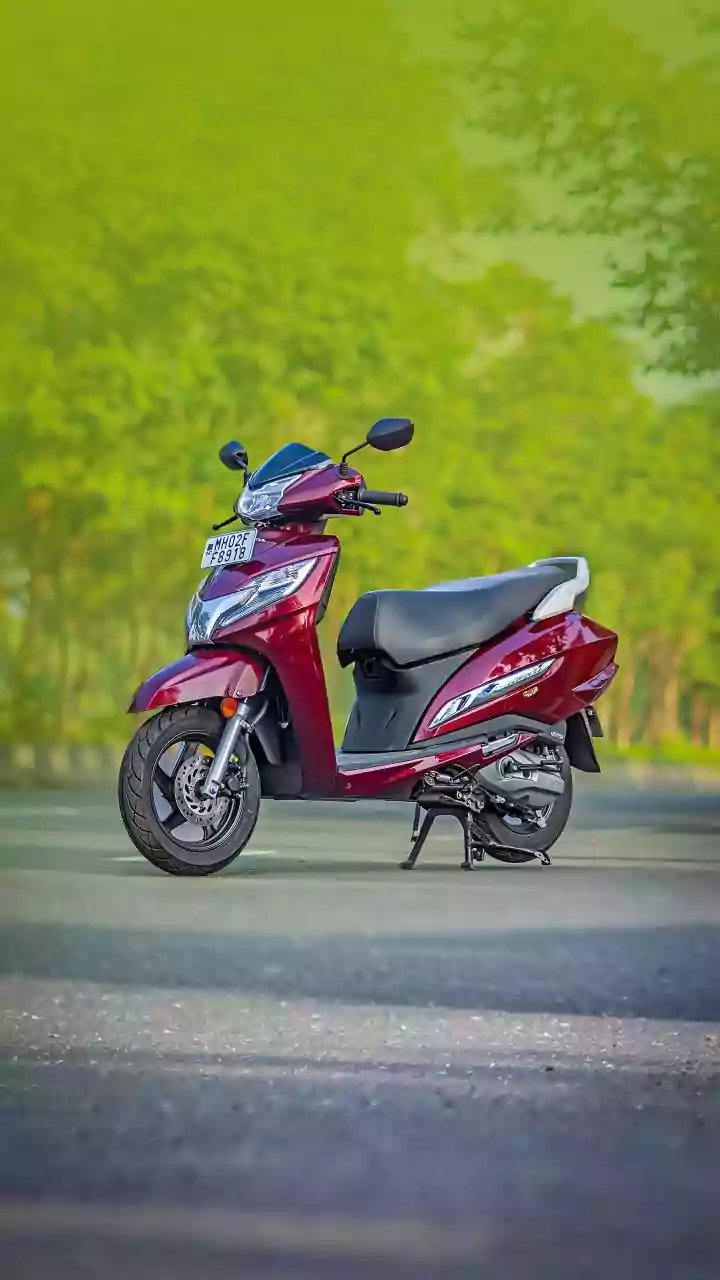
The primary reason for the enduring popularity of two-wheelers is simple arithmetic. The initial purchase price is significantly lower than that of a car; an entry-level motorcycle can cost between ₹70,000 and ₹90,000, whereas the most affordable car is at least
five times that amount. This affordability is enhanced by readily available financing options with competitive interest rates. Beyond the sticker price, the running costs are dramatically lower. Fuel efficiency is a critical factor for the average Indian commuter, and two-wheelers deliver exceptional mileage, often between 40 and 70 kilometres per litre. In contrast, a small car might offer 15 to 20 kmpl. This difference translates into substantial daily savings, a crucial consideration when fuel prices are high. Maintenance, servicing, and spare parts for two-wheelers are also considerably cheaper, making the total cost of ownership a fraction of that of a four-wheeler.
The Agility to Conquer Urban Chaos
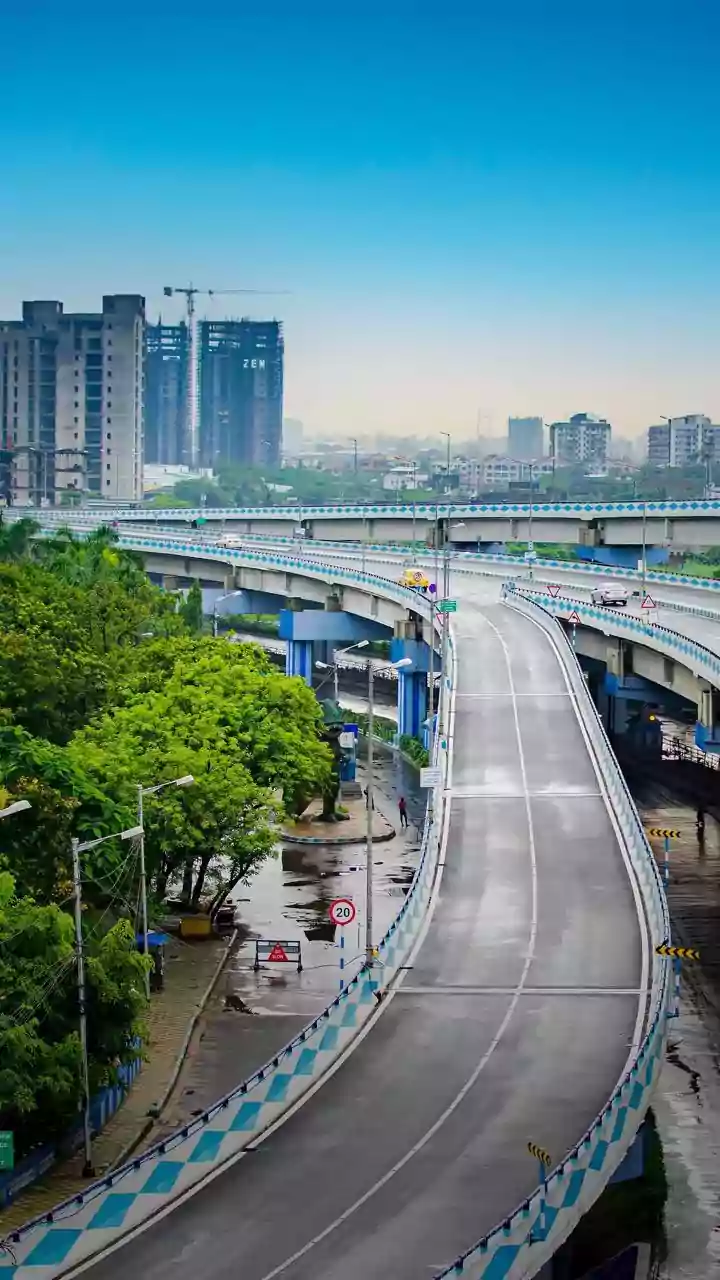
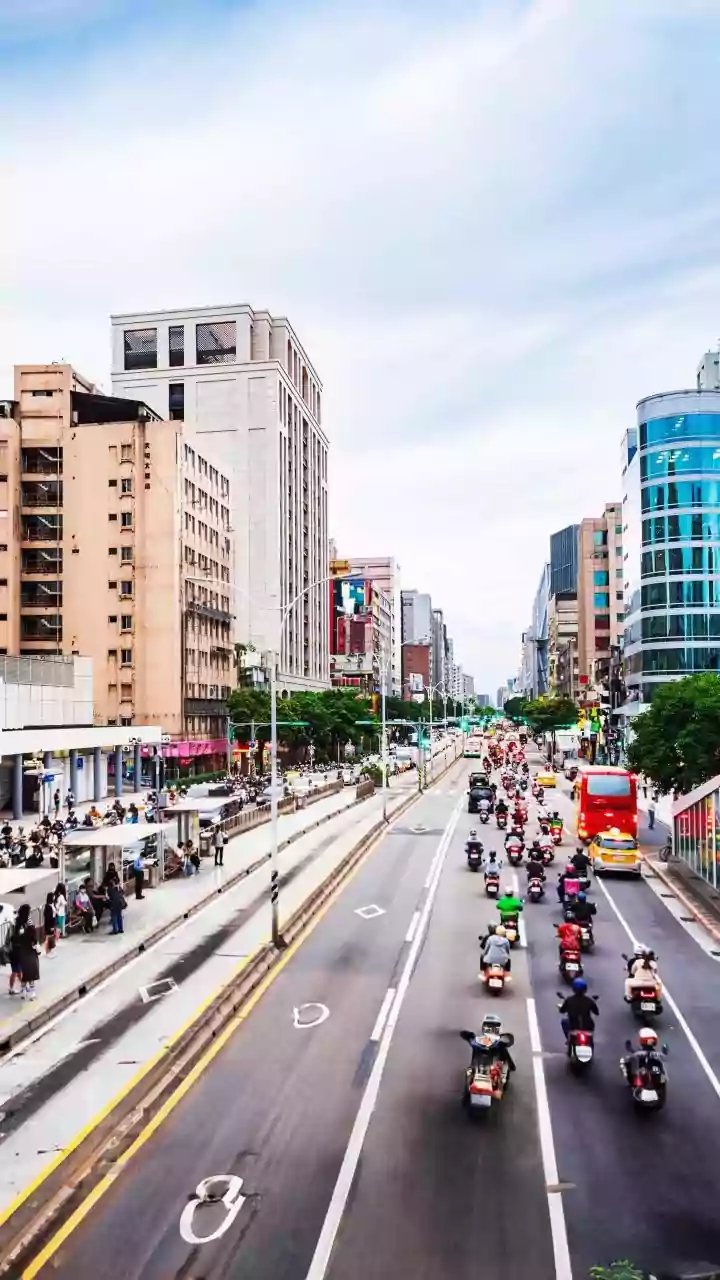
Indian cities are synonymous with traffic congestion, a daily reality that costs the economy billions and commuters countless hours. In this environment, the two-wheeler's greatest asset is its agility. Motorcycles and scooters can navigate through gridlocked traffic, squeeze through narrow lanes, and take shortcuts that are impossible for cars. This ability to filter through stagnant traffic significantly reduces commute times, especially for short to medium distances. The 'door-to-door' convenience offered by a personal vehicle is a major draw, and two-wheelers provide this without the time penalty of being stuck in jams. Finding parking is another major urban challenge, and here again, two-wheelers have a distinct advantage. Their small footprint means they can be parked in tight spaces, on crowded sidewalks, or in designated areas that are far more plentiful and cheaper than car parking spots.
Bridging the Last-Mile Connectivity Gap
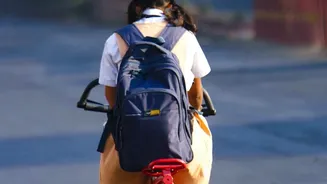
While public transportation networks like metros and buses are expanding, they often suffer from a 'last-mile' problem. The distance from a metro station or a bus stop to a commuter's final destination—be it home or office—is frequently too far to walk, especially in India's extreme weather conditions. Two-wheelers perfectly fill this gap, providing a quick and personal mode of transport to complete the journey. They offer an autonomy that public transport schedules and fixed routes cannot match. This role has become even more pronounced with the explosion of the gig economy. For thousands of delivery partners for services like Zomato, Swiggy, and Zepto, a two-wheeler is not just a mode of commute but an essential tool for their livelihood, transforming it into an economic engine.
The Market is Strong and Growing
The demand for two-wheelers shows no signs of slowing down. Recent market data from 2026 highlights robust growth, with sales increasing significantly year-on-year. For instance, September 2026 saw a 32.93% rise in registrations compared to the previous year, driven by festive season demand and stable rural activity. This trend indicates that two-wheelers are not merely a legacy choice but a continuously expanding market. The industry is also evolving with the times. Manufacturers are introducing new technologies, such as flex-fuel engines that can run on ethanol-petrol blends, to align with national goals of reducing oil dependency and emissions. This adaptability ensures the two-wheeler remains relevant in a changing mobility landscape.
A Greener Future on Electric Scooters
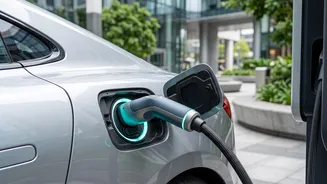
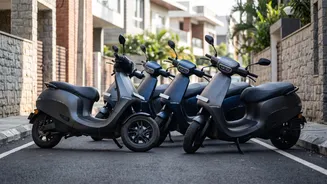
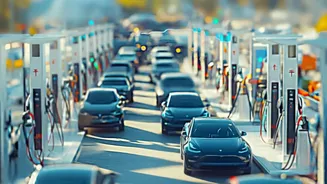
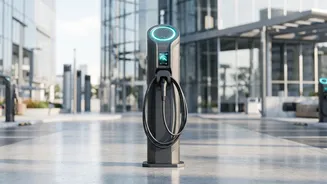
The next chapter in the two-wheeler story is electric. The electric two-wheeler (E2W) market is experiencing exponential growth, propelled by government incentives, rising environmental awareness, and soaring fuel prices. E2Ws are increasingly seen as the future of urban mobility in India, with sales expected to account for 60-70% of new two-wheeler sales by 2030. They offer even lower running costs—as little as ₹0.30 per kilometre compared to ₹2.5-3 for petrol variants—and require less maintenance. As battery technology improves and charging infrastructure expands, concerns about range anxiety and safety are diminishing. This silent, emission-free mode of transport addresses urban pollution and noise, making it an attractive proposition for the modern Indian commuter.