








The Reign of the Gourds
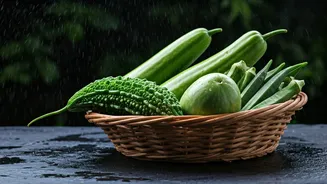
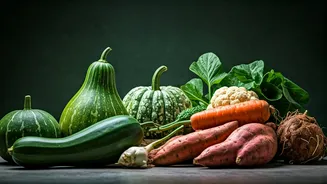
Step into any sabzi mandi during the monsoon, and you'll be greeted by an army of gourds. This family of vegetables thrives in the wet, humid climate. Look for bottle gourd (lauki), which is brilliant for digestion and packed with water. It's incredibly
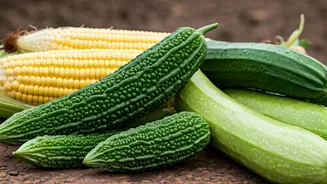
versatile, finding its way into koftas, simple subzis, and even halwa. Then there's bitter gourd (karela), a powerhouse for managing blood sugar levels. While its bitterness can be an acquired taste, a good soak in saltwater before cooking can temper it. Don't overlook ridge gourd (tori) and pointed gourd (parwal). Tori has a delicate flavour and cooks quickly, making it ideal for a weeknight meal, while parwal is often stuffed or used in rich curries. These gourds are low in calories but high in fibre and essential nutrients, making them a cornerstone of a healthy monsoon diet.
Beyond the Gourd Family
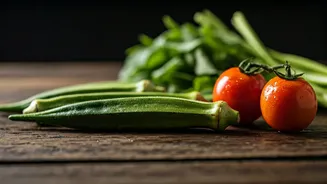
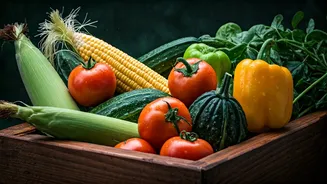
While gourds may be the stars, the supporting cast is just as impressive. Indian squash (tinda) makes a frequent appearance. These small, green orbs have a mild taste and a texture that absorbs spices beautifully. They are excellent for light, soupy curries that are comforting on a rainy day. Okra (bhindi) is another favourite, but be sure to buy it fresh and dry it thoroughly before chopping to avoid that dreaded sliminess. When cooked right, it offers a satisfying crunch. And of course, no monsoon is complete without corn (bhutta). Whether you enjoy it roasted over charcoal by a street vendor, seasoned with lime and masala, or boiled at home, corn is the quintessential monsoon snack. It's a great source of fibre and antioxidants.
A Word on Leafy Greens
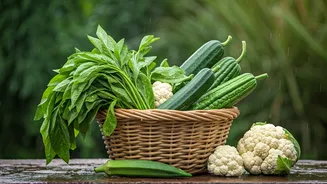
You may have heard the common advice to avoid leafy greens (palak, methi) during the monsoon. There's some truth to this caution. The damp, mucky conditions are ideal for worms and bacteria to thrive on the leaves. Does this mean you have to give them up entirely? Not necessarily, but extra care is crucial. If you do buy leafy greens, inspect them carefully for any pests or rot. The best practice is to wash them multiple times. A good method is to soak them in a large bowl of water with a bit of salt or vinegar for about 15-20 minutes. This helps dislodge dirt and kill microbes. Afterward, rinse them thoroughly under running water. Most importantly, always cook your leafy greens well during this season; avoid using them in raw salads.
Smart Shopping and Prep Tips
Navigating the monsoon market requires a bit of savvy to ensure what you bring home is safe and healthy. Firstly, always choose whole vegetables over pre-cut ones. The exposed surfaces of cut vegetables can easily become contaminated with bacteria, especially in a humid environment. Secondly, give everything a thorough wash once you get home, not just leafy greens. Scrub gourds and other hard-skinned vegetables under running water to remove mud and grime. For produce like cauliflower or broccoli, a soak in warm saltwater can help draw out any hidden worms. Finally, ensure all your vegetables are cooked thoroughly. The monsoon is not the best time for raw food diets, as the risk of water-borne diseases like typhoid and cholera increases. Cooking food to a safe internal temperature is your best defence.