
The End of the Trend Treadmill
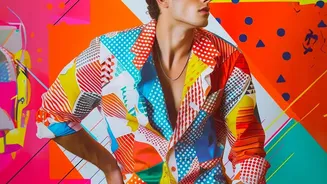
Fast fashion built an empire on speed and disposability, churning out new styles weekly and encouraging a culture of constant consumption. This relentless cycle, amplified by social media haul culture, created a sense of urgency and the pressure to always
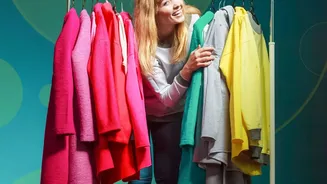
have something new. However, this has led to 'fashion fatigue'. Consumers are growing tired of the endless chase, the overflowing closets filled with poorly made clothes, and the anxiety of keeping up. An average fast fashion item is worn only seven to ten times before being discarded. This disposable model is losing its shine as people begin to question if this constant churn truly brings satisfaction. The desire for something more meaningful and less frantic is pushing shoppers toward a different approach.
Smarter Choices for Your Wallet
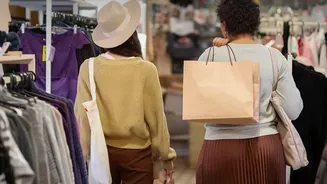
One of the most compelling reasons for this shift is simple economics. While the low price tag of a trendy top is tempting, the long-term cost tells a different story. Consumers are becoming more mindful of their spending, particularly with rising living costs. This has sharpened the focus on 'cost-per-wear'—a metric where timeless, quality pieces are the clear winners. Investing in a well-made garment that lasts for years is ultimately more affordable than repeatedly replacing cheap items that fall apart after a few washes. This move towards quality over quantity isn't about deprivation; it's about making smarter financial decisions and building a wardrobe that delivers better value over time.
The Growing Sustainability Consciousness
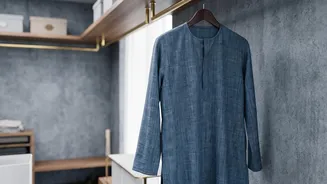
It's impossible to ignore the enormous environmental and ethical footprint of the fast fashion industry. The sector is a significant contributor to global carbon emissions and water pollution. Shocking statistics, such as the 92 million tonnes of clothing discarded annually, have captured public attention. In India, there's a growing movement towards sustainable practices, with a renewed appreciation for traditional, eco-friendly textiles like Khadi, handlooms, and natural dyes. Consumers are increasingly seeking transparency from brands about their production processes and labour conditions. This ethical awakening means that for many, a purchase is no longer just a transaction but a statement of their values. Choosing a durable piece over a disposable one is a conscious act to reduce waste and support a healthier planet.
Finding Personal Style in a World of Clones
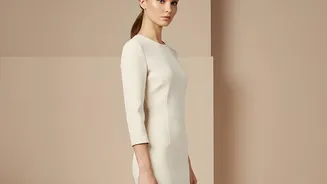
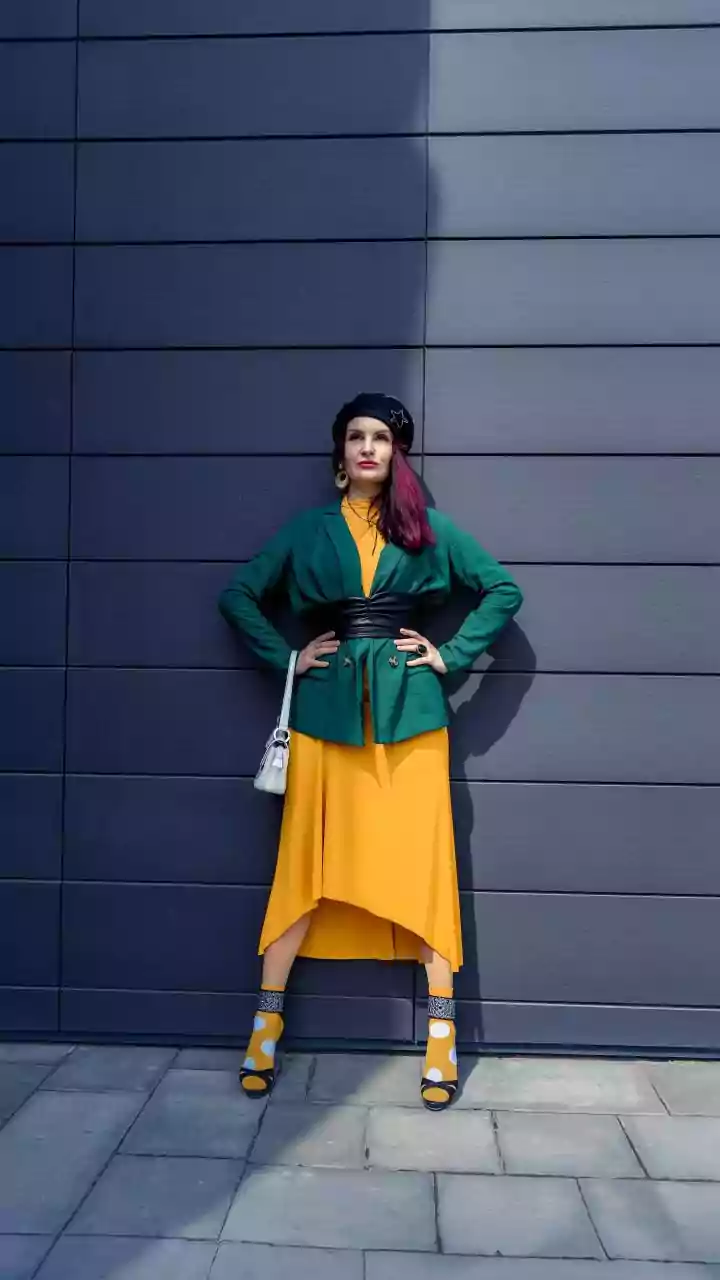
In a world heavily influenced by algorithms, fashion trends can often feel homogenous, leading to a sea of similarity. The shift towards timeless pieces is also a quest for individuality. Developing a personal style, rather than just following trends, is a form of self-expression that reflects one's true personality and lifestyle. It’s about building a wardrobe that feels authentic and builds confidence. Timeless pieces serve as the perfect foundation for this, offering versatility and longevity. They can be styled in multiple ways and act as a canvas for individual creativity, allowing personal taste—not a fleeting trend—to define one's look. This is less about being 'in fashion' and more about being true to oneself.