


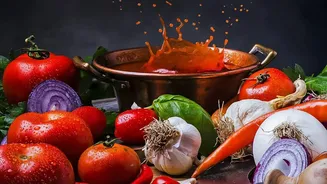

The Joy of Eating Seasonally
The practice of eating with the seasons is deeply rooted in Indian tradition, and for good reason. Seasonal vegetables are harvested at their peak, meaning they are fresher, more flavourful, and packed with higher levels of nutrients. When produce is abundant,
it’s also more affordable at your local market. This approach not only benefits your health and wallet but also supports local farmers and reduces the environmental impact associated with long-distance transportation and artificial ripening. Ultimately, aligning your diet with nature's rhythm is a simple way to get the best of what's available.
Your 'Curry and Stir-Fry' Blueprint
The beauty of most Indian home cooking lies in its adaptability. A typical curry base—onions, ginger, garlic, tomatoes, and a blend of spices—is a versatile canvas. Similarly, a simple stir-fry (or 'bhaji') often starts with tempering spices like mustard or cumin seeds in oil. This foundational framework doesn't need to change. The trick is to swap the primary vegetable based on what is in season. Instead of trying to find cauliflower in the peak of summer, you can adapt your go-to 'aloo gobi' masala base to cook seasonal gourds or beans. This mindset shift is the key: your favourite recipes remain, but the star vegetable changes.
Winter Wonders (November - February)
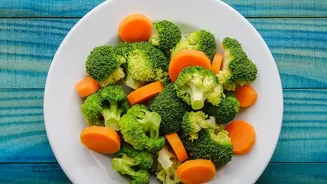
Winter brings a bounty of hearty and flavourful vegetables that are perfect for rich, warming dishes. This is the season for leafy greens and root vegetables. Carrots are sweeter, cauliflower is denser, and fresh peas are tender and delicious. Seasonal Stars: Spinach (Palak), Fenugreek (Methi), Mustard Greens (Sarson), Carrots (Gajar), Cauliflower (Gobhi), Green Peas (Matar), Radish (Mooli), and Beetroot. Curry & Stir-fry Ideas: This is the perfect time for classics like Palak Paneer, Sarson ka Saag, and Aloo Gobi. Carrots and peas can be combined for a simple, sweet stir-fry or added to a rich vegetable korma. Grated radish can be used in stuffed parathas or a quick sabzi, while beetroot adds colour and earthy sweetness to curries and stir-fries.
Summer Simplicity (March - June)
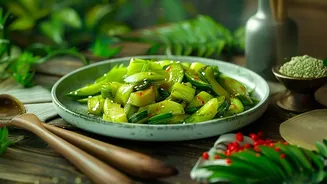
As temperatures rise, the available produce shifts to vegetables that are high in water content and have a cooling effect on the body. These vegetables are ideal for lighter, less oily preparations that are easy to digest in the heat. Seasonal Stars: Bottle Gourd (Lauki), Ridge Gourd (Tori), Bitter Gourd (Karela), Okra (Bhindi), Pumpkin (Kaddu), Cucumber, and Pointed Gourd (Parwal). Curry & Stir-fry Ideas: Summer calls for simple dishes. Think quick-cooking Lauki Chana Dal, a light Bhindi Fry, or a refreshing cucumber raita. Gourds like tori and lauki are excellent in soupy, yogurt-based curries or simply stir-fried with minimal spices. A simple pumpkin sabzi, seasoned with mustard and cumin seeds, makes for a light yet satisfying meal.
Monsoon Magic (July - October)
The rainy season brings its own unique range of vegetables. While it's traditionally advised to be cautious with leafy greens due to higher chances of contamination, other vegetables thrive during this time. The monsoon bounty is perfect for comforting, robust dishes that pair well with the cooler, damp weather. Seasonal Stars: Corn (Bhutta), Brinjal (Baingan), Snake Gourd, various types of beans like cluster beans (Gavar), and Jackfruit Seeds. Curry & Stir-fry Ideas: Monsoon is the time for a hearty Baingan Bharta or a spicy brinjal curry. Corn can be made into a delicious Masala Corn Chaat or added to mixed vegetable curries. Snake gourd works beautifully in a light stir-fry with coconut, while cluster beans are often prepared as a dry sabzi with spices. These vegetables stand up well to the bold flavours often craved during the rainy season.