






For years, Nvidia has seemed unstoppable, cementing its rule over the AI universe. But a stunning leadership crisis, culminating in the departure of its visionary founder and CEO Jensen Huang, has rocked the company to its core.
An Unexpected End to a 30-Year Reign
The seismic shift began
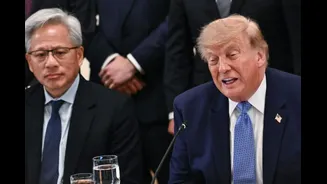
with a cryptic November leadership shuffle that saw several executives depart. It concluded with the shocking resignation of Jensen Huang, the co-founder who has been Nvidia's only CEO since its inception in 1993. The company announced that Chief Financial Officer Colette Kress would step in as interim CEO. Huang's departure follows a board investigation into his personal conduct and allegations of his connection to a businesswoman suspected by U.S. intelligence of having links to Chinese intelligence, a claim that has been strongly denied. Huang admitted to personal misconduct and apologised, but the fallout has moved beyond the personal to become a full-blown corporate crisis.
The Man Who Was Nvidia
It is difficult to overstate Jensen Huang's importance to Nvidia. For over three decades, his technical vision and relentless drive transformed a niche graphics card company into a global semiconductor behemoth with a market share in AI chips estimated to be as high as 85%. His unique, hands-on leadership style is legendary. He maintained an unusually flat organizational structure, with dozens of executives reporting directly to him to ensure information flowed freely and to empower his teams. Analysts have long argued that founder-led tech companies like Nvidia perform significantly better, and Huang was the archetype of the founder-as-visionary. His departure leaves a void that will be incredibly difficult to fill, with some analysts predicting the company's value could decline by as much as 30% without him at the helm.
Reputation, Risk, and an Anxious Market
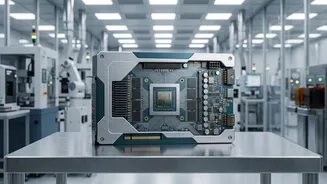
The controversy has dragged Nvidia into a reputational storm. The board's independent investigation was launched to determine if any company secrets or national security information had been compromised, though it initially stated it had no reason to believe so. However, the allegations alone have created significant risk. The situation has intertwined the company with questions of national security and foreign influence, creating potential regulatory and operational threats. Beyond the scandal, the company is also facing increased criticism over its recent graphics card launches, with consumers and experts complaining about pricing and supply chain issues, adding another layer of reputational challenge. The combination of a leadership vacuum and public scrutiny has created a perfect storm of uncertainty for investors.
A Gauntlet for New Leadership
Interim CEO Colette Kress and the board face a monumental task. Their first priority will be to stabilize the company, reassure employees, and regain the trust of the market. The departure of a founder can significantly increase employee turnover, as the culture and vision they instilled are thrown into question. This leadership transition comes at a time of intensifying competition. While Nvidia remains dominant, rivals like AMD, Intel, and a host of custom chip designers at major cloud companies like Google and Amazon are aggressively chasing its market share. These competitors will undoubtedly see this moment of instability as a strategic opportunity. The new leadership must prove that Nvidia's success was not solely dependent on one man and that its deep bench of talent and robust product roadmap can weather this storm.