








From Inconvenience to Ambiance
The relationship with rain in India is changing. What was once seen as a logistical nightmare for a day out is now being framed as a desirable atmospheric backdrop. There's a certain magic to the monsoon—the smell of petrichor, the dramatic skies, and
the cooler temperatures—that creative entrepreneurs are finally tapping into. Instead of seeing a drop in footfall, businesses are finding that a well-designed space can become a destination during the rains. This shift is less about just providing shelter and more about curating an experience, turning the sound of rainfall into a soothing soundtrack for a coffee meeting or a meal with friends. The focus is on making patrons feel cozy and connected, allowing them to enjoy the downpour without the discomfort.
The Architecture of Coziness
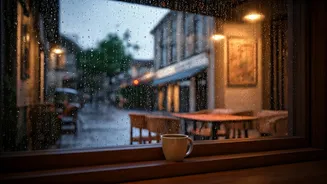
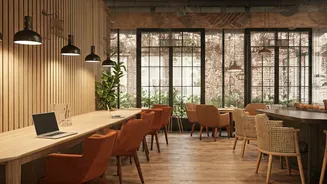
So, what makes a space 'rain-friendly'? The design elements are key. Architects and designers are blurring the lines between indoors and outdoors. Features like retractable glass roofs, large panoramic windows, and covered verandas are becoming popular, offering stunning views of the rain-soaked landscape while keeping guests dry. One cafe in Pune, for instance, uses a full-length glass partition to frame the view for those inside, while a dedicated outdoor section caters to true rain lovers. The use of natural materials like wood and stone, combined with warm, soft lighting, creates a snug, inviting atmosphere. These spaces are thoughtfully engineered, often featuring weather-resistant furniture and clever drainage to make outdoor areas usable year-round.
More Than Just a Pretty View
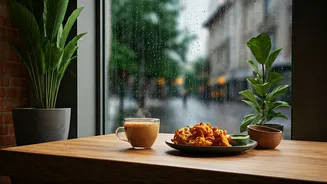
The experience extends beyond just the architecture. Savvy restaurateurs are leaning into the season with specially curated monsoon menus. This often includes nostalgic comfort foods that are culturally synonymous with rainy days, such as assorted pakoras, steaming bowls of soup, and, of course, countless variations of chai. Some establishments, like Café Delhi Heights, even host an annual 'Chai Pakora Festival' to celebrate the season. Other cafes enhance the cozy vibe with board games, rain-themed music playlists, and special discounts. By creating these multi-sensory experiences, businesses are not just selling food and drink; they are selling comfort, nostalgia, and a unique way to enjoy a season that is deeply woven into the cultural fabric of the country.
A Smart and Sustainable Shift
This trend isn't just about good vibes; it's a savvy business move. By weather-proofing their premises, restaurants and cafes can ensure a steady stream of customers, even during heavy downpours which might otherwise deter people from leaving their homes. Rooftop bars with covered sections, for example, can operate throughout the monsoon, turning a potential liability into an asset. Furthermore, this design approach often aligns with sustainable practices. Features like retractable roofs and large windows maximize natural light and ventilation, which can reduce the reliance on artificial lighting and air conditioning, thereby lowering operational costs. It represents a forward-thinking adaptation to the local climate, ensuring that social life doesn't have to pause for a season. This evolution in design demonstrates a smarter, more resilient approach to hospitality in a country with such a distinct rainy season.