



What Are 'Crowdsourced Maps'?
This isn’t about a single, magical app. Instead, 'crowdsourced maps' refers to a collection of digital tools powered by fellow travellers. Think of user-created Google My Maps lists shared on blogs, detailed Instagram Guides with tagged locations, or
hyper-specific threads on Reddit communities like r/IndiaTravel. Travellers who have already visited these remote areas pin their favourite homestays, viewpoints, and cafes, creating a living, breathing guide. Unlike polished corporate directories, these maps are raw, honest, and constantly updated with real-world experiences, often pointing to gems that big platforms miss entirely.
The Undeniable Charm of a Valley Homestay
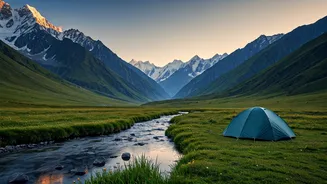
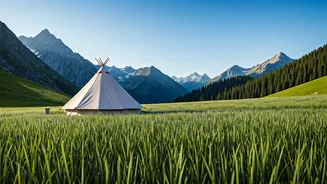
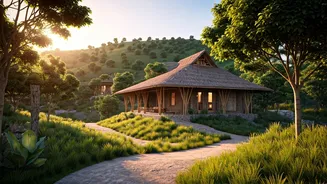
So, why the obsession with homestays? It’s about more than just a cheap bed. Staying in a homestay in a place like Tirthan Valley or Sainj Valley is an immersive experience. You wake up to mountain views, eat delicious, home-cooked local food (think Siddu in Himachal), and get travel tips directly from your host family who have known the region for generations. It’s a departure from the sterile, cookie-cutter hotel experience. These stays offer a genuine connection to the place and its people. And yes, they are incredibly budget-friendly, with prices often ranging from ₹800 to ₹2000 per night, including meals.
Spotlight: Tirthan Valley’s New Frontiers
Tirthan Valley in Himachal Pradesh is a perfect example of this trend. Once a well-kept secret, its main hubs like Gushaini and Banjar are now quite popular. However, crowdsourced maps are helping travellers push beyond the tourist centres. You’ll find pins for family-run cottages in smaller, quieter villages like Pekhri or Sarchi, places that are just a short hike away from the main valley but feel a world apart. These digital breadcrumbs left by other travellers guide you to stays that offer the same stunning river views and trout fishing opportunities, but with more peace and often at a lower price point than their more famous counterparts.
Diving Deeper: Sainj Valley’s Untouched Pockets
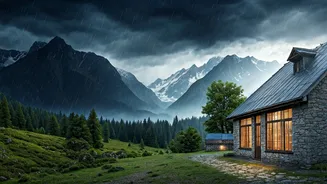
For those willing to go even more off-grid, Sainj Valley, part of the Great Himalayan National Park ecozone, is a treasure trove. It’s less developed than Tirthan, and that’s its magic. Here, crowdsourced info is even more valuable. Travel blogs and forums will point you towards traditional Kath-Kuni style homestays in villages like Shangarh, known for its divine meadow, or Deori. These aren't places you can book with a click. Finding them often involves getting a phone number from a shared travel doc, calling ahead, and trusting the journey. The reward is unparalleled serenity and a glimpse into a way of life that has remained unchanged for centuries.
Beyond Himachal: Uttarakhand’s Hidden Gems
This phenomenon isn't limited to Himachal. In Uttarakhand, similar community-led exploration is uncovering incredible stays. In the region around Chopta, famous for the Tungnath trek, travellers are mapping out homestays in tiny hamlets that offer majestic Himalayan views without the crowds of the main town. Similarly, areas in the Jaunsar-Bawar region near Chakrata are slowly appearing on the radar of intrepid explorers, shared through whispered digital channels. By following these user-generated guides, you can find riverside stays near the Tons river or quiet village homes that serve as a base for exploring waterfalls and pine forests.
How to Vet Your Crowdsourced Find
The beauty of these finds is their authenticity, but that also means you need to do a little homework. First, check the date of the post or map pin—a recommendation from five years ago might be outdated. Look for recent reviews or comments. If a phone number is provided, call ahead to confirm availability, pricing, and amenities. Be prepared for a more rustic experience; these are homes, not hotels, so Wi-Fi might be patchy and power cuts possible. Finally, cross-reference the location on a standard map to understand its accessibility. Embracing this small bit of planning is part of the adventure.