

Ladakh: The High-Altitude Escape
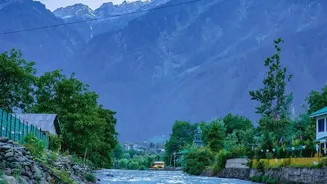
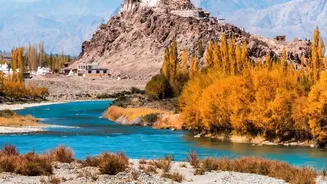
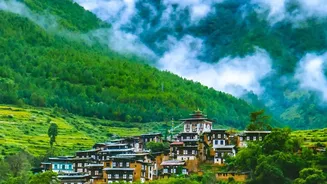
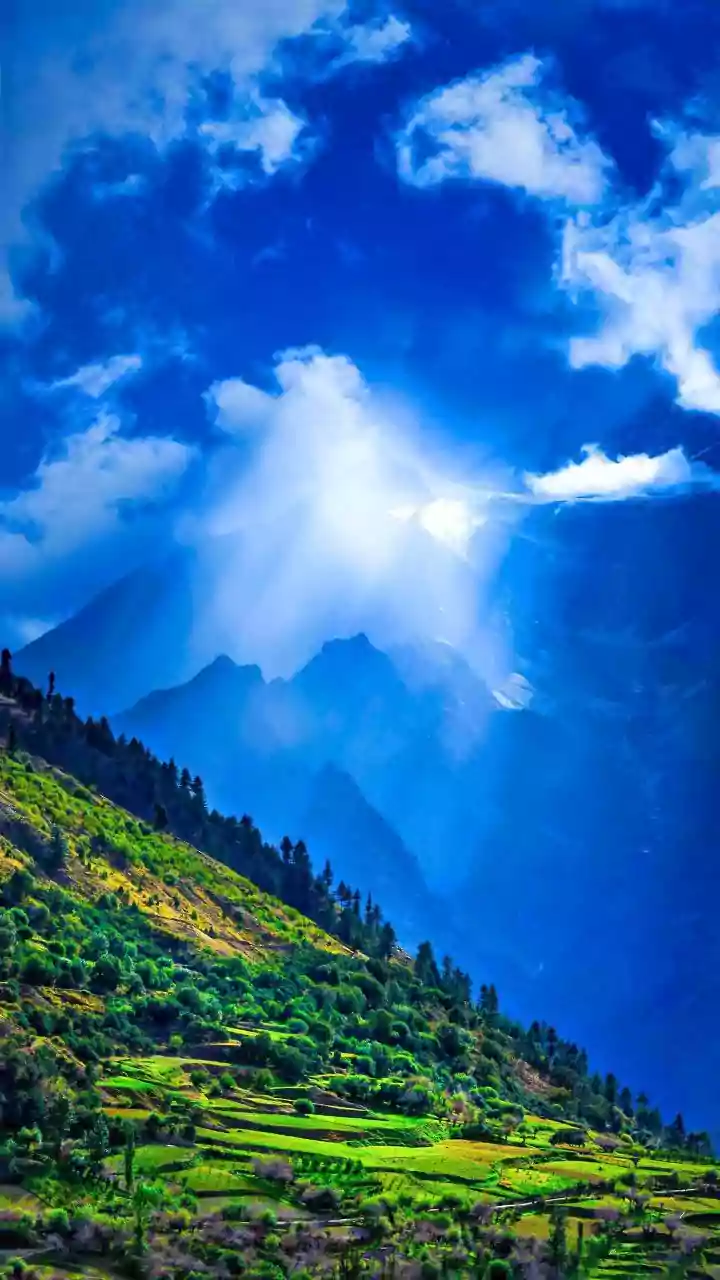
Ironically, the best place to be during the Indian monsoon might be the one that gets the least rain. Ladakh, a high-altitude desert, sits in the rain shadow of the Himalayas. While the rest of India deals with downpours, Ladakh enjoys clear blue skies
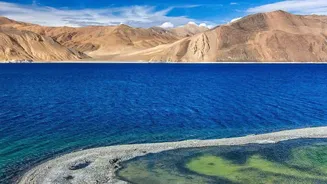
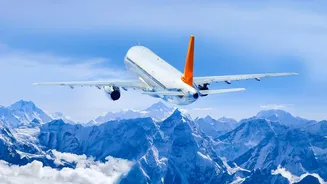
and pleasant daytime temperatures, making July and August a peak season for visitors. This is the time for adventure seekers. All internal roads, including high passes like Khardung La and Chang La, are typically open and clear of snow, offering access to the stunning vistas of Nubra Valley and Pangong Lake. The Vibe: Think crisp mountain air, dramatic landscapes where barren mountains meet patches of surprising greenery, and a vibrant cultural scene with summer festivals in full swing. The Safety Angle: The biggest risk isn't in Ladakh itself but on the journey there. The Manali-Leh and Srinagar-Leh highways are prone to landslides and delays caused by rain in the lower Himalayas. Flying into Leh is the safest and most reliable option. Once there, the primary concern is Acute Mountain Sickness (AMS). It's crucial to acclimatise for at least two days in Leh before ascending further.
Kerala: God's Own Country in Full Bloom
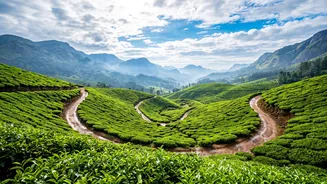
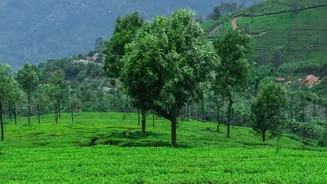
If you want to embrace the rain, not escape it, Kerala is your destination. The monsoon breathes life into the state, turning it into a verdant paradise. Waterfalls like Athirappilly are thunderous and spectacular, the backwaters are brimming and serene, and the tea plantations in Munnar are wrapped in mist. It’s a time for rejuvenation and slow travel. According to Ayurvedic tradition, the monsoon is the best time for treatments as the cool, moist air helps the body absorb the therapies more effectively. The Vibe: Romantic, refreshing, and deeply tranquil. Picture sipping hot tea while watching the rain from a houseboat or a hill-side resort. It’s less crowded, and you can often find significant discounts on hotels and flights, making it a great value proposition. The Safety Angle: Heavy rains can cause localised flooding and travel disruptions, especially in low-lying backwater areas and the hilly regions of Munnar and Wayanad, which can be prone to landslides. It’s essential to travel with an experienced local driver, build buffer days into your itinerary, and avoid driving on ghat roads after dark during a downpour. Beach swimming is generally not recommended due to rough seas.
Goa: The Quiet & Contemplative Coast
Monsoon is the off-season in Goa, and for many, that's its biggest draw. The crowds vanish, the hotel prices drop, and the state sheds its party-centric image for a more serene, laid-back vibe. The landscape transforms, with paddy fields turning a brilliant green and the Dudhsagar Falls becoming a magnificent spectacle. While the famous beach shacks are mostly closed and swimming is unsafe due to strong currents, the beaches themselves are quiet and perfect for long, contemplative walks. The Vibe: Peaceful, budget-friendly, and green. It's the Goa for those who want to read a book in a quiet cafe, explore the heritage of Fontainhas in Panjim, discover lush spice plantations, and enjoy local cuisine without the tourist rush. The Safety Angle: The primary safety concern is the sea. Red flags are common on beaches, and swimming should be avoided. Roads can be slippery, so if you're renting a scooter, extra caution is essential. It's also wise to pack insect repellent and be mindful of food and water hygiene, as the risk of contamination can be higher during the rains.
Making Your Choice
Your perfect monsoon destination depends entirely on your travel style. Choose Ladakh if you crave adventure, clear skies, and dramatic mountain scenery, and are willing to plan carefully for the journey and altitude. Choose Kerala if you love the rain and want a rejuvenating, romantic trip focused on nature, wellness, and lush green landscapes. Choose Goa if you're seeking a quiet, budget-friendly escape and prefer peaceful walks, cultural exploration, and the charm of the coast without the crowds. No matter where you decide to go, always check local weather advisories before and during your trip, pack waterproof gear, and maintain a flexible itinerary.