





More Than Just a Hot Day
October Heat is not just a transition between seasons; it is becoming a period of significant climatic stress. Recent studies show that the post-monsoon months are getting hotter and more humid. A study by IMD scientists noted that on India's west coast,
days of extreme humid heat increased by five days per decade during October-December. This is a greater increase than seen during the summer or monsoon seasons. High humidity is the critical factor that makes this heat so dangerous. When humidity is high, the body's primary cooling mechanism—sweating—becomes less effective, as sweat cannot evaporate easily. This combination of heat and humidity, measured by what scientists call the wet-bulb temperature, puts immense strain on the human body, increasing the risk of heat exhaustion, heatstroke, and aggravating chronic conditions like heart and kidney disease. Recent IMD alerts for Mumbai and surrounding coastal districts have warned of these exact 'hot and humid' conditions.
Coastal Communities on the Frontline
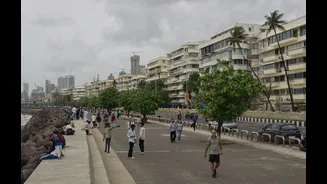
For Mumbai's coastal residents, particularly those in densely packed informal settlements and traditional Koliwadas, these risks are magnified. Their proximity to the sea means they are constantly exposed to high humidity. Many live in homes with poor ventilation and are constructed from materials like metal sheets that absorb and radiate heat, creating dangerously hot indoor environments. Research has shown that temperatures in such informal settlements can be 5-8°C higher than in surrounding areas. The urban heat island effect, where concrete and asphalt absorb more heat than natural landscapes, is particularly pronounced in these dense neighbourhoods. For many, the only relief is to seek the sea breeze, with some residents of shoreline slums even sleeping on beaches to escape the stifling heat in their homes.
Where Urban Planning Falls Short
The intensifying danger of October Heat highlights critical gaps in urban planning. For decades, development in Mumbai has prioritized construction over conservation, leading to a significant loss of green cover and open spaces that naturally cool the environment. Between 1991 and 2018, Mumbai lost 40% of its green cover and 81% of its open spaces, while built-up areas increased by 66%. This concretization exacerbates the urban heat island effect. Furthermore, traditional planning often fails to account for the specific vulnerabilities of coastal communities. Building regulations may not mandate heat-resistant materials or designs that promote natural ventilation. While the city has a Development Plan (DP), it often lacks specific regulations to address heat stress directly. The very fabric of the city—dense buildings, lack of green spaces, and heat-trapping materials—works against its most vulnerable residents during heatwaves.
Building a Cooler, More Resilient Coast
Protecting Mumbai's coastal residents requires a deliberate shift in urban planning. Fortunately, solutions exist and are being discussed. The Mumbai Climate Action Plan (MCAP) acknowledges extreme heat as a major risk and outlines strategies for mitigation. Key interventions include nature-based solutions like increasing the city's tree canopy, creating green roofs, and protecting mangroves, which act as natural buffers. Simple, low-cost measures like promoting 'cool roofs'—painting roofs with reflective white paint—can significantly lower indoor temperatures. Reforming building codes to mandate passive cooling designs, better ventilation, and the use of sustainable, heat-resistant materials is crucial. Creating more shaded public spaces and ensuring access to drinking water and community cooling shelters can provide immediate relief during heatwaves. These efforts must be targeted towards the most vulnerable neighbourhoods, turning policy into tangible protection.