

The Problem with Conventional Batteries
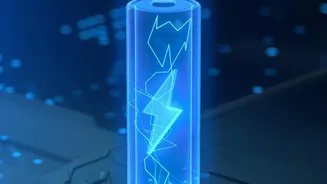
Most electric scooters on the road today use lithium-ion batteries, the same technology that powers our smartphones and laptops. These batteries are popular for their high energy density and relatively low cost. However, they contain a critical vulnerability:
a liquid electrolyte. This electrolyte is a chemical solution that allows energy to flow, but it's also flammable. In cases of overcharging, physical damage from a crash, or even manufacturing defects, this liquid can lead to a dangerous chain reaction called 'thermal runaway'. This is where the battery's temperature rises uncontrollably, causing it to smoke, catch fire, or even explode, a risk heightened by India's demanding road conditions and high ambient temperatures.
Enter the Solid-State Solution
A solid-state battery fundamentally re-engineers the battery's design to eliminate this primary risk. As the name suggests, it replaces the flammable liquid electrolyte with a solid material, often made of ceramic, glass, or polymer compounds. This solid electrolyte performs the same function of transporting ions but is non-combustible. By removing the flammable liquid, the primary fuel for a battery fire is completely gone. This simple but profound change makes the entire battery pack far more stable and resistant to the conditions that trigger thermal runaway.
A Leap Forward in Safety
The safety benefits of this solid design are multi-fold. Firstly, the risk of thermal runaway is dramatically reduced because there are no flammable vapours to ignite. The solid electrolyte acts as a firebreak at a cellular level. Secondly, these batteries are more resilient to physical damage. If a conventional battery is punctured, the liquid can leak and cause a short circuit, initiating a fire. A solid-state battery has no liquid to leak, making it inherently safer in an accident. They also demonstrate better stability across a wider range of temperatures, from freezing cold to extreme heat, which is a crucial advantage for vehicles used daily in India's diverse climate.
More Than Just Safety
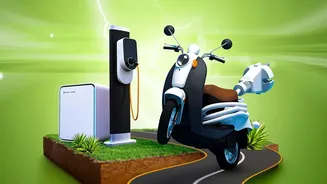
While safety is the headline advantage, solid-state technology brings other game-changing benefits for commuters. They have a higher energy density, meaning they can store more power in a smaller, lighter package. This translates to a significantly longer range on a single charge, addressing the 'range anxiety' that many potential EV buyers feel. Furthermore, their stable structure allows for much faster charging speeds without degrading the battery's health or causing the short circuits that can plague lithium-ion batteries during rapid charging. They also promise a much longer lifespan, capable of enduring more charge and discharge cycles than their liquid-based counterparts.
The Road Ahead in India
While the technology is incredibly promising, solid-state batteries are not yet the standard in the mass-market two-wheeler segment. As of late 2026, the technology is still navigating the path from lab to large-scale, affordable production. Several global vehicle manufacturers are targeting the late 2020s for initial rollouts, and some high-end electric motorcycles have already begun to incorporate them. In India, a number of startups and established companies are investing heavily in solid-state R&D, with some planning to bring products to the market around 2026 and beyond. Widespread adoption for daily commuter scooters will likely follow as manufacturing scales and costs come down, probably in the early 2030s.