





The Direct Link Between Humidity and Breakouts
Yes, humid weather can absolutely contribute to an increase in pimples. Dermatologists confirm that a spike in humidity creates the perfect storm for acne. When the air is saturated with moisture, sweat doesn't evaporate from your skin as quickly. This
lingering sweat can mix with your skin's natural oils and dead skin cells, leading to clogged pores—the primary cause of whiteheads, blackheads, and inflammatory pimples. In fact, one study highlighted that the prevalence of acne is higher in warm, humid climates precisely because of increased sweating and oil production.
How Your Skin Reacts to Humid Air
High humidity sends a signal to your skin's sebaceous glands to produce more oil, or sebum. While sebum is essential for keeping your skin lubricated, an excess of it is a key factor in acne development. This overproduction of oil gives your skin a shiny appearance and creates a sticky surface where dirt and bacteria can become trapped. Furthermore, the constant moisture can cause pores to swell slightly, making it easier for them to get clogged with this mixture of excess oil, sweat, and environmental debris. This environment is also ideal for the growth of acne-causing bacteria, such as Cutibacterium acnes, which thrive in moist, oily conditions and fuel inflammation.
Don't Forget About 'Bacne' and Body Breakouts
The effects of humidity aren't just limited to your face. Acne on the back and chest, often called 'bacne,' can also flare up. This is largely due to a combination of increased sweating and friction from clothing. Tight or non-breathable fabrics like polyester can trap sweat against your skin, creating a breeding ground for bacteria and leading to breakouts known as 'acne mechanica'. Backpacks and sports equipment can add to this friction, further irritating the skin on your shoulders and back.
Expert Tips for Adapting Your Skincare Routine
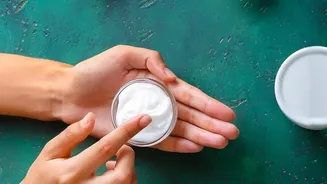
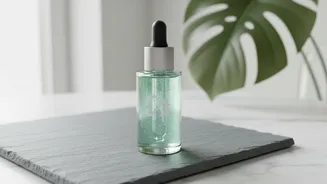
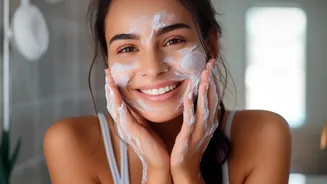
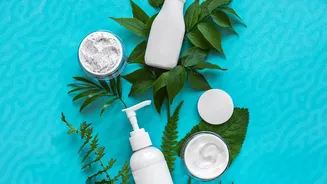
While you can't change the weather, you can adjust your skincare routine to combat its effects. Experts recommend a few key strategies. First, cleanse your face twice daily with a gentle, non-comedogenic cleanser to effectively remove the buildup of oil and sweat without stripping the skin. Over-washing can backfire by prompting your skin to produce even more oil. Consider a cleanser with salicylic acid, which helps exfoliate and keep pores clear. After cleansing, it's crucial not to skip your moisturizer. Heavy creams can feel suffocating in humidity, so opt for a lightweight, oil-free, or gel-based formula. Well-hydrated skin may actually produce less oil.
Choosing the Right Products for Humid Conditions
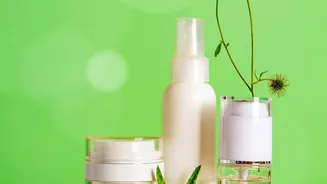
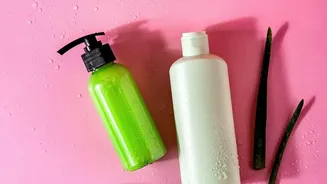
Sunscreen is non-negotiable, but the formula matters. Look for oil-free and non-comedogenic sunscreens to avoid clogging pores. Mineral-based sunscreens containing zinc oxide or titanium dioxide are often recommended for sensitive or acne-prone skin. For body breakouts, showering as soon as possible after sweating is a simple but effective step. Using a body wash designed to combat acne can also help. Lastly, simple lifestyle changes like opting for loose-fitting, breathable fabrics such as cotton can make a significant difference in preventing body acne by allowing sweat to evaporate more easily.