
The Protein Bar Minefield
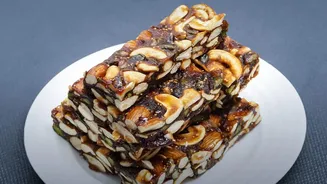
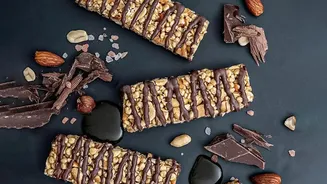
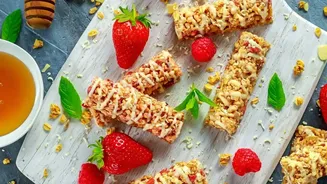
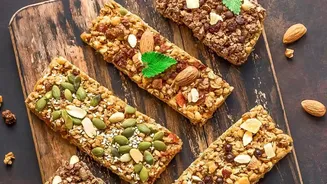
Protein bars promise convenience and nutrition, but many are ultra-processed and packed with undesirable ingredients. A flashy “High Protein” claim on the front doesn't tell the whole story. The real test is the ingredient list on the back. A good rule
of thumb is that if the list is long and full of words you can't pronounce, it might be best to put it back. Many bars are engineered to mimic candy bars while being loaded with industrial additives.
Check the Protein Source and Quantity
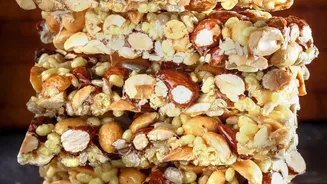
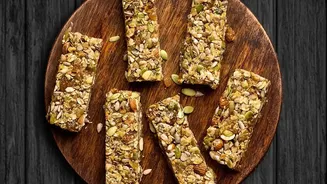
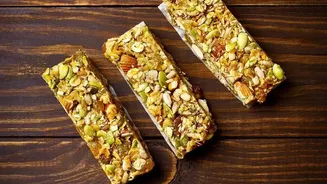
Aim for a bar with at least 8 to 10 grams of protein to be effective as a fulfilling snack. However, the source matters just as much as the quantity. High-quality sources include whey protein isolate, pea protein, nuts, and seeds. Cheaper, more processed forms like soy protein isolate and whey concentrate are common but can contain more lactose, fat, and impurities. The goal is to get clean fuel, not just empty grams.
Beware of Hidden Sugars and Sweeteners
Many protein bars are laden with sugar. Experts suggest choosing a bar with less than 5 grams of sugar per serving. Be wary of high-fructose corn syrup and other added sugars. To keep the sugar count low on the label, manufacturers often use sugar alcohols like maltitol, sorbitol, and xylitol. These can cause digestive issues like bloating and gas in many people. Maltitol, in particular, has a glycemic index surprisingly close to table sugar, which can defeat the purpose of choosing a low-sugar snack.
Fibre and Fats Matter Too
A good protein bar should also provide a decent amount of fibre, ideally 3 to 5 grams or more. Fibre aids digestion and helps you feel fuller for longer, making the snack more satisfying. Also, check the fat source. Healthy fats from nuts and seeds are great. However, you should avoid bars containing trans fats, hydrogenated oils, or fractionated palm kernel oil, which are often used to improve texture and shelf life but are detrimental to heart health.
Makhana: The Humble Superfood
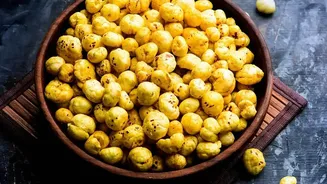
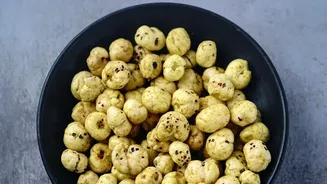
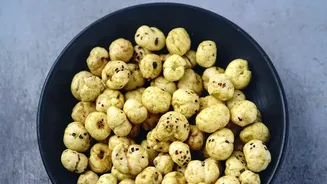
Makhana, or fox nuts, have gained immense popularity as a healthy snack, and for good reason. These popped lotus seeds are naturally low in calories, gluten-free, and rich in essential minerals like magnesium and potassium. A 100-gram serving contains around 9.7 grams of protein and 14.5 grams of fibre, making it a filling and nutritious choice. Unlike many processed snacks, makhana is light on the stomach and has a low glycemic index, preventing sharp spikes in blood sugar.
Choose Plain and Check the Roasting Method
The healthiest way to consume makhana is to buy it raw or plain roasted. This gives you full control over the salt, oil, and seasonings. When buying pre-packaged makhana, look for terms like "air-popped" or "dry-roasted." Many brands deep-fry their makhana to cut costs, which significantly increases the calorie and fat content. If the snack leaves an oily residue on your fingers, it's likely been over-fried.
Scrutinise Flavoured Varieties
Flavoured makhana can be a minefield of salt, unhealthy oils, and artificial additives. Always read the ingredient list. If you see "INS" followed by a number, it indicates the presence of artificial food additives. Premium brands will use real spices like turmeric or chili powder, which will be listed by name. Also, check the makhana content percentage. Some low-quality packs may contain as little as 50% makhana, with the rest being oil and fillers. A good quality product will have over 70% makhana content.