




The Visa Hurdle vs. The Baku Breeze
For Indian travellers, planning a trip to Europe often begins with a sense of dread. The Schengen visa process has become notoriously difficult, with rejection rates for Indian applicants hitting nearly 16% in 2025, higher than the global average. This
translates to over 1,81,000 rejected applications and crores of rupees lost in non-refundable fees. Applicants face intense scrutiny over their finances, with requirements for years of tax returns and perfectly stable bank balances. In stark contrast, Azerbaijan offers a refreshingly simple solution. Indian citizens can apply for an e-visa entirely online through the official ASAN portal. The standard visa, which allows a 30-day stay, is typically processed within three working days and costs only around ₹2,100 to ₹2,500. There are no embassy queues, no piles of paperwork, and an urgent processing option can deliver the visa in as little as three hours. This hassle-free access is a primary driver for Indians choosing Baku.
How Far Your Rupee Can Go
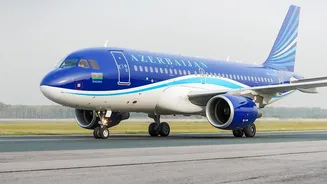
Beyond the visa, the biggest draw is affordability. While a trip to Western Europe can set you back lakhs, Baku delivers an international experience at a fraction of the cost. Direct flights from major Indian cities like Delhi and Mumbai take just four to five hours, with round-trip fares often ranging from ₹25,000 to ₹40,000 if booked in advance. Once there, the value continues. A comfortable and well-planned five-day trip can cost between ₹60,000 and ₹85,000 per person, a figure that includes flights, visa, accommodation, food, and sightseeing. Daily expenses for food and local transport can be managed within ₹2,500 to ₹5,000. Budget hotels and guesthouses are plentiful, and even mid-range hotels offer a level of comfort that would cost significantly more in Paris or Rome. This financial accessibility allows travellers to enjoy a rich holiday without constantly worrying about their spending.
A City of Contrasts and Culture
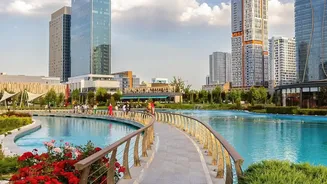
Baku is more than just a budget-friendly option; it's a destination that captivates. Often described as a blend of Parisian architecture and Dubai's futuristic ambition, the city is a visual treat. Its heart is the Icherisheher, a UNESCO World Heritage Site, where ancient city walls enclose medieval palaces, mosques, and cobblestone streets. Towering over this historic core are the iconic Flame Towers, three skyscrapers that illuminate the night sky with a mesmerising display of fire. A stroll along the Baku Boulevard, which hugs the Caspian Sea, offers stunning views and a relaxed atmosphere. The city's unique position at the crossroads of Europe and Asia has created a rich cultural fabric, evident in its music, art, and vibrant carpet-weaving traditions. This mix of ancient history and bold modernity ensures that there is something to discover around every corner.
Familiar Flavours and Friendly Faces
For many Indian tourists, the availability of familiar food and a welcoming environment are crucial. Baku scores high on both fronts. The local cuisine, with its influences from Turkish, Iranian, and Central Asian food, features delicious kebabs, plovs (pilafs), and aromatic stews that appeal to the Indian palate. Furthermore, the city has a growing number of Indian restaurants, ensuring that travellers can always find a taste of home. The historical ties, including the Ateshgah Fire Temple, a former place of pilgrimage for Zoroastrians from the subcontinent, add another layer of connection for visitors from India. This combination of new experiences and familiar comforts makes it an especially appealing destination for families and first-time international travellers.
A Resilient and Re-emerging Favourite
While Baku's popularity surged for several years, tourism from India saw a temporary dip in 2025 due to geopolitical factors that affected air routes and travel sentiment. However, this has only strengthened Azerbaijan's resolve to win back Indian tourists. For 2026, tourism authorities are projecting a solid 10-15% growth, with a renewed focus on promoting the country for leisure travel, large-scale corporate events (MICE), and destination weddings. The fundamental attractions—easy visas, affordability, and direct flights—remain firmly in place. This resilience shows that the trend of Indian travellers choosing Baku is not a fleeting one, but a deep-seated shift in travel preferences based on tangible value and a superior visitor experience.