





What is Modular Furniture, Really?
First, let's clear up the term. Unlike traditional furniture, which is often a single, heavy piece, modular furniture consists of individual sections or 'modules' that can be combined in various ways. Think of it like building blocks for your home. A
sofa can be made of several interlocking seats, an ottoman, and armrests. A wardrobe can be a system of stackable cabinets and drawers. This approach prioritises flexibility, allowing you to customise, rearrange, and expand your setup as your needs evolve. It's a design philosophy built for modern life, especially in compact urban homes where every square foot matters.
The Art of Adaptation: A Furniture Chameleon
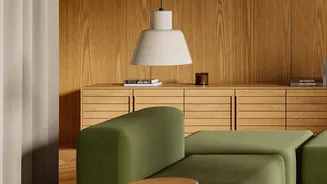
The true magic of modular design is its ability to transform. That low-profile TV console you bought as a couple can be expanded with vertical shelving units to become a full-fledged library and entertainment centre. A modular L-shaped sofa can define a living room's layout without walls, and later be split into a two-seater and an armchair if you move to a new space. Some beds are designed to expand from a single to a double, or even a family-sized bed, adapting as your family grows. This means you invest in a system that grows with you, not one you constantly have to replace.
From Cradle to College: One Room, Many Lives
Consider the lifecycle of a single room. When a baby arrives, modular storage cubes can form a low, accessible unit for toys and a changing station. As the child grows, those same cubes can be stacked vertically to create a tall bookshelf and study desk. A modular wardrobe system can start with two doors and expand with additional sections as their clothing collection grows. For renters, this is a game-changer; unlike fixed carpentry, your entire customised setup can be disassembled and moved to your next home, saving a significant amount of money and hassle.
The Space-Saving Superpower
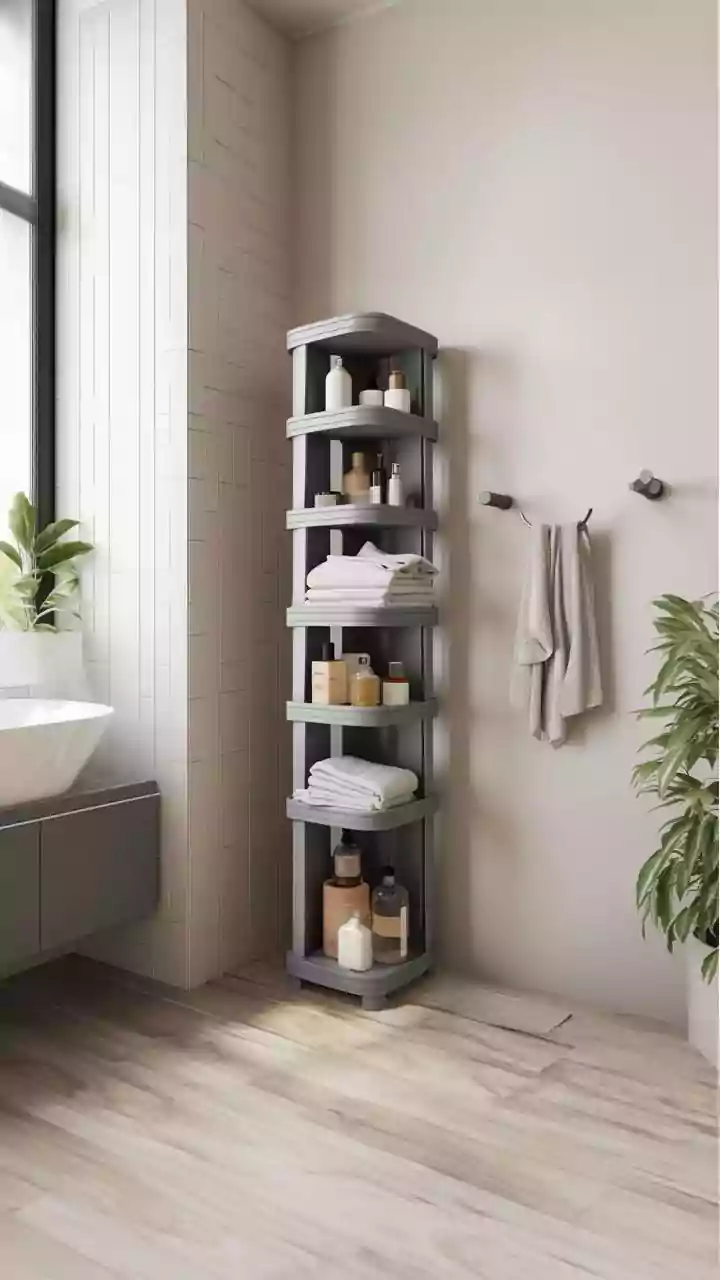
In small Indian apartments, functionality is everything. Modular furniture excels at maximising space. Multi-functional pieces like sofa-cum-beds, lift-top coffee tables that become dining tables, and beds with built-in storage are common in modular systems. Because it's designed in units, it's perfect for utilising awkward corners and maximising vertical space with wall-mounted shelves and cabinets, drawing the eye upward and making a room feel larger.
A Smart Investment or a Costly Trend?
Modular furniture can sometimes have a higher initial cost compared to a single piece of traditional or carpenter-made furniture. However, its long-term value often makes it a more cost-effective choice. You can start small with a few essential pieces and add more modules as your budget allows and needs grow. The ability to reconfigure for a new home or replace a single damaged section instead of the entire piece of furniture extends its lifespan considerably. A well-made modular system that lasts over a decade is often a more sustainable and financially sound decision than buying cheaper furniture that needs frequent replacement.
What to Watch Out For
Despite its benefits, modular furniture isn't without its potential downsides. Cheaper options may lack durability, so quality is key. A common complaint is that sofa modules can slide apart on smooth floors if they don't have a reliable connection system, like strong clips or brackets. The seams between cushions can also be a magnet for crumbs and lost remotes. Furthermore, the sheer number of choices in configuration and fabric can feel overwhelming. It’s crucial to choose a design and material that genuinely fits your lifestyle, not just what looks good in a showroom.