


Why October is a Great Month for Stargazing
Autumn offers a fantastic window for exploring the cosmos. The nights are growing longer, and the cooler, crisper air often means clearer skies with less atmospheric haze. For 2026, October is particularly special because Saturn reaches opposition early
in the month. This astronomical event occurs when Earth passes directly between the sun and Saturn, making the planet appear at its biggest and brightest for the year. Throughout October, Saturn will be visible all night long, rising in the east around sunset and gliding across the sky until dawn, making it an accessible target even for families with early bedtimes.
Gear Up: What You'll Need
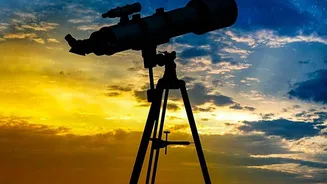
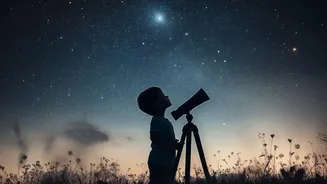
You don’t need an expensive telescope to start. Begin with the basics to keep things simple and fun. Your most important tool will be a stargazing app on your smartphone, which can help you identify planets and constellations in real time. Next, pack a pair of binoculars. While they won't show Saturn's rings in sharp detail, they will reveal the planet as more than just a point of light and are perfect for scanning the moon's craters or spotting star clusters like the Pleiades. Of course, if you have a small telescope, this is its time to shine. A magnification of around 25x or higher is enough to get a glimpse of Saturn's iconic rings. Don't forget essentials for comfort: warm layered clothing, blankets or chairs, a thermos of hot chocolate, and a red-light torch to protect your night vision.
Find Your Perfect Spot
The key to good stargazing is getting away from light pollution. While you can still see bright planets like Saturn from a city, a darker location will reveal a much richer sky. A local park, a nearby hilltop, or even a quiet spot on the edge of town can make a huge difference. Look for a location with an open view, especially towards the east where Saturn will rise in the evening. Give your family's eyes about 20-30 minutes to fully adjust to the darkness; you’ll be amazed at how many more stars appear over time. Use your chosen stargazing app to find out your location's 'Bortle class', a scale that measures sky darkness, to set expectations for what you'll be able to see.
The Main Event: Spotting Saturn
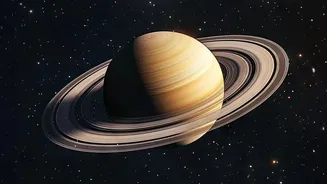
Finding Saturn is easier than you might think. After sunset, look to the eastern sky for a bright, steady, yellowish-white point of light that doesn't twinkle like a star. Throughout October 2026, the planet will be located in the constellation Cetus. While you can use a star chart, a smartphone app is the most straightforward way to confirm you're looking at the right object. Through good binoculars, Saturn might appear slightly oval-shaped. A small telescope, however, is where the magic happens. After being largely hidden from view in 2025, Saturn's rings are once again tilted towards us in 2026, making them visible even in beginner telescopes.
The Supporting Cast: Other Night-Sky Wonders
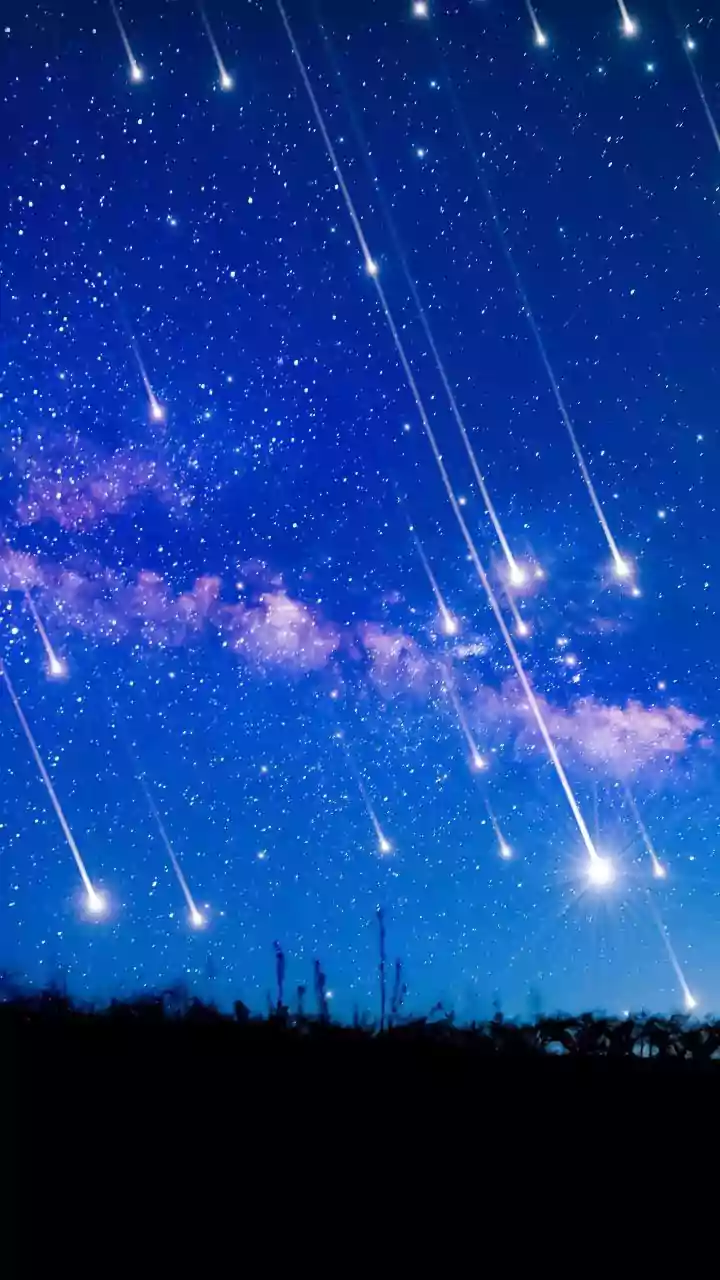
While Saturn is the headliner, it’s not the only object worth seeing. Jupiter, the brightest planet, will be visible in the early morning sky, rising after midnight. Reddish Mars will also be in the morning sky. For constellation hunters, autumn is the perfect time to find the Great Square of Pegasus high overhead. You can also spot the distinctive 'W' shape of Cassiopeia. Later in the month, look for the Orionid meteor shower, which peaks around October 21-22, though moonlight may interfere somewhat this year. You might also catch a glimpse of the Andromeda Galaxy, the most distant object visible to the naked eye, which appears as a faint, fuzzy patch of light under dark skies.
Making It Fun for All Ages
The goal is to create a lasting memory, not just an astronomy lesson. Keep kids engaged by telling the mythological stories behind the constellations. Challenge them to 'connect the dots' and create their own star patterns. Let them take turns with the binoculars or have them help find objects using the stargazing app. Pack their favorite snacks and make the evening feel like a special expedition. Don't worry if their attention wanders; the experience of being out under the stars is just as important as identifying every object. Remember to praise their curiosity and answer their questions, even if the answer is, 'I don't know, let's find out together!'