



Munnar, Kerala
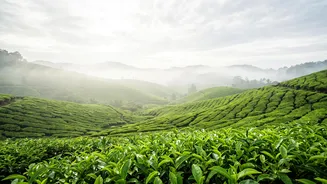
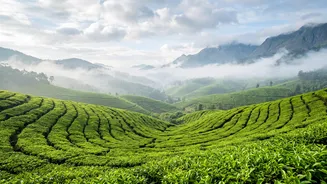
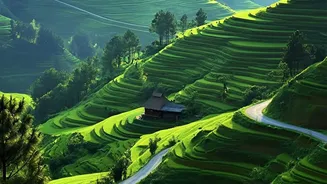
In Munnar, the monsoon brings the tea gardens to life. The rolling hills, stretching as far as the eye can see, are blanketed in a lush, saturated green. Mist and low-hanging clouds drift through the valleys, creating soft, diffused light that is perfect
for atmospheric landscape shots. Photographers can focus on the geometric patterns of the tea plantations, capture the drama of waterfalls like Attukad and Cheeyappara which are in full flow, or zoom in on dew-covered leaves. The soft light and moody skies provide a constantly changing canvas for capturing the serene beauty of the Western Ghats.
Coorg, Karnataka
Known as the 'Scotland of India', Coorg's beauty is amplified during the rains. The coffee plantations look their freshest, their dark green leaves glistening with moisture. Key photographic spots include Abbey and Iruppu Falls, which become powerful cascades perfect for long-exposure shots that render the water silky smooth. Viewpoints like Raja's Seat offer panoramic vistas of mist-filled valleys, especially during sunrise and sunset. For photographers, Coorg in the monsoon is about capturing layers: the mist over the hills, the texture of wet coffee beans, and the vibrant green of the paddy fields in the valleys.
Meghalaya
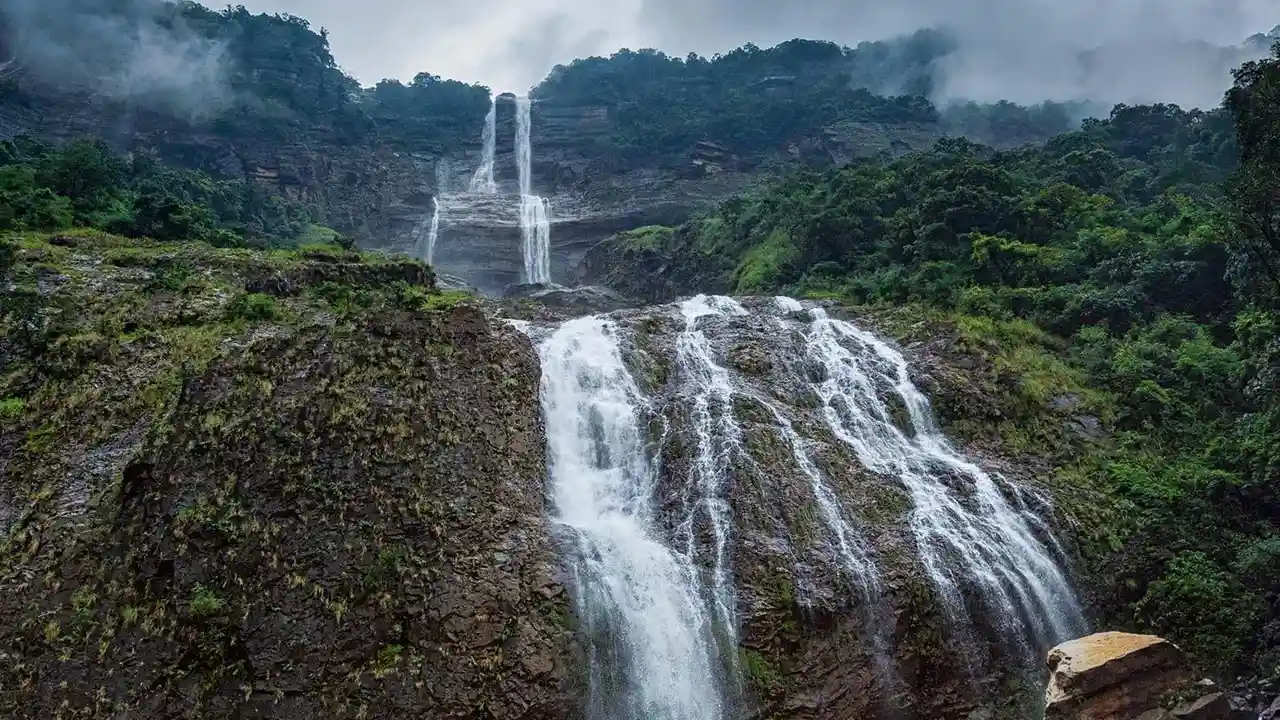
For dramatic monsoon photography, nothing beats Meghalaya, the 'abode of clouds'. Home to some of the wettest places on Earth, like Cherrapunji and Mawsynram, the region is defined by its roaring waterfalls, such as Nohkalikai and the Seven Sisters Falls, and its unique living root bridges. The constant rain and heavy mist create an ethereal, almost prehistoric landscape. Photographers are drawn to the deep green gorges, the powerful waterfalls plunging from cliffs, and the contrast of the dark, wet bridges against the verdant jungle. It is a challenging but immensely rewarding environment for capturing the raw power of the monsoon.
Valley of Flowers, Uttarakhand
Open only from June to September, the Valley of Flowers National Park is a UNESCO World Heritage Site that truly comes alive during the monsoon. The rains trigger a spectacular bloom of over 500 species of alpine flowers, carpeting the valley in a vibrant tapestry of colours. Photographers can capture vast meadows of pink, blue, and yellow against a backdrop of snow-capped Himalayan peaks. The soft monsoon light is ideal for flower photography, highlighting the delicate textures of species like the rare blue poppy and Brahma Kamal. It's a high-altitude paradise for macro and landscape photographers alike.
Lonavala and Khandala, Maharashtra
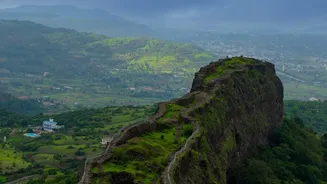
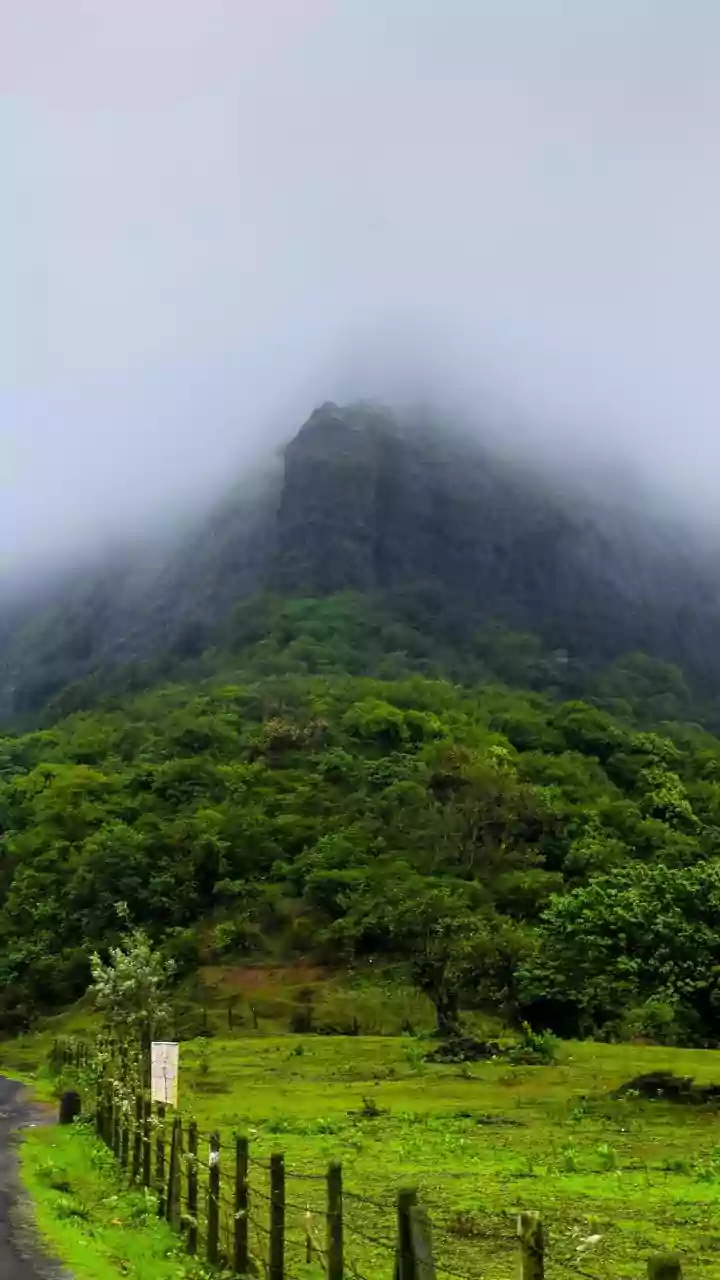
Easily accessible from Mumbai and Pune, the twin hill stations of Lonavala and Khandala are classic monsoon getaways for a reason. The Sahyadri hills transform into a green wonderland, with numerous waterfalls cascading down the ghats. The landscape is often shrouded in thick fog, creating moody and mysterious photographic opportunities at viewpoints like Tiger Point and Duke's Nose. Photographers can capture the winding roads through the mist, the reflections in the overflowing Lonavala Lake, and the dramatic scenery of forts like Lohagad surrounded by clouds.
Udaipur, Rajasthan
While Rajasthan is known for its deserts, Udaipur offers a surprisingly different monsoon experience. The Aravalli hills surrounding the city turn a lush green, and the city's famous lakes, like Pichola and Fateh Sagar, fill with rainwater. This creates stunning reflections of the majestic palaces and ghats. Photographers can capture the dramatic monsoon skies from the aptly named Monsoon Palace (Sajjangarh), which offers panoramic views of the transformed landscape. A boat ride on a rain-fed Lake Pichola provides a unique perspective for capturing the romantic and serene side of the 'City of Lakes.'