

The Problem with Mystery Meals
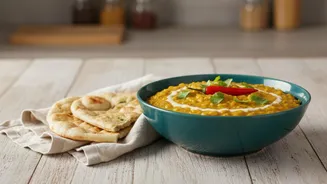
An unlabelled container in the freezer is a gamble. At best, you might thaw dal when you were hoping for a vegetable korma. At worst, you risk encountering freezer burn or, even more seriously, eating something that has lost its flavour and texture. While
freezing food at or below -18°C keeps it safe to eat indefinitely, its quality deteriorates over time. Proper labelling is not just about organisation; it's about reducing food waste, saving money, and ensuring that the effort you put into cooking pays off with a delicious, convenient meal later on. By treating the dish name, date, and portion size as a non-negotiable checklist, you transform your freezer from a culinary graveyard into a well-stocked library of future meals.
Checklist Item 1: The Dish Name
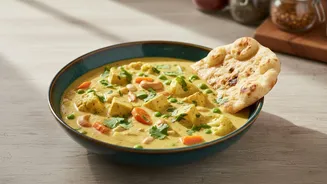
Simply writing "dal" or "sabzi" on a label is a good start, but it’s not enough. Specificity is your best friend when you're tired and hungry on a weeknight. Get into the habit of being descriptive. Is it "Masoor Dal (Tadka)" or "Dal Makhani"? Is it "Aloo Gobi" or "Mixed Vegetable Sabzi"? This level of detail helps you plan meals more effectively. You’ll know exactly what you’re pulling out to pair with rice or rotis. If you have different dietary needs in the household, you can add extra notes like "Spicy" or "Less Salt." For households with vegetarians and non-vegetarians, a simple green or red dot, a system many in India are familiar with, can add another layer of quick identification. Taking five extra seconds to be specific saves you from future disappointment.
Checklist Item 2: The Date
The date you freeze a dish is arguably the most crucial piece of information for quality control. It allows you to practice the "First-In, First-Out" (FIFO) method, ensuring you use up older items before they lose their charm. Most cooked Indian dishes like curries, dals, and sabzis maintain their best quality for about two to three months in the freezer. After that, while still safe, they might start to lose flavour and develop ice crystals. Breads like rotis and parathas are best within a month or two. By clearly marking the date, you can quickly scan your freezer and know what needs to be eaten soon. This simple habit prevents delicious home-cooked food from languishing in the cold until it's no longer appetising.
Checklist Item 3: The Portion Size
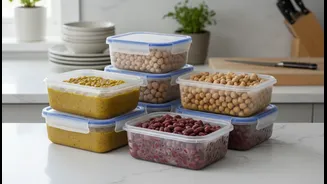
This is the detail that elevates your meal prep from amateur to pro. Noting the portion size—whether by servings ("Serves 2") or by meal type ("1 Lunch Portion")—is a game-changer for convenience and waste reduction. It allows you to thaw exactly what you need, no more and no less. Defrosting a giant block of keema only to use half of it is inefficient and can compromise food safety if you refreeze it improperly. By portioning before you freeze, you create a system of ready-to-go meals. Cooking a large batch of chana masala on Sunday? Divide it into single-serving containers for quick weekday lunches. This forethought saves you time on busy days and prevents the wasteful cycle of thawing and storing leftovers.
Tools for the Job
Your perfect labelling system is only as good as the tools you use. You don't need anything fancy, but you do need something that works. Masking tape and a permanent marker are a classic, effective combination that adheres to most containers. For a cleaner look, you can buy dedicated freezer labels that are designed to withstand cold and moisture. Some people even use grease pencils or china markers, which can write directly on plastic and glass and erase easily when you’re ready to relabel. Whatever you choose, the key is to apply the label to a clean, dry container before it goes into the freezer. Make labelling the final, non-negotiable step of your food prep routine.